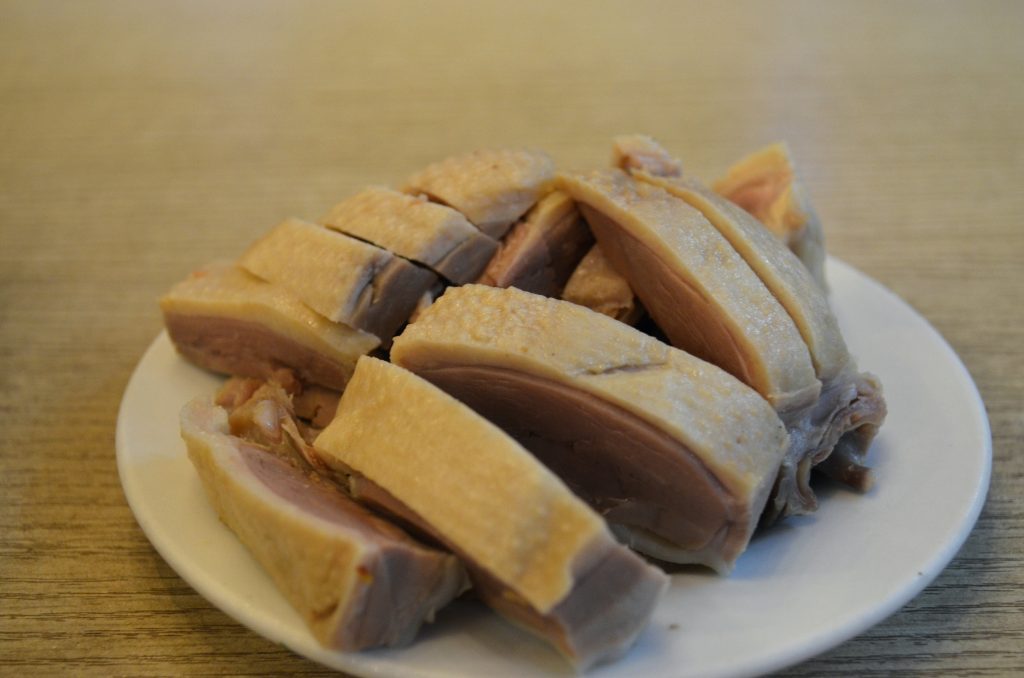
What Nanjing salted duck is
Nanjing salted duck (盐水鸭, yanshui ya) is a gently brine-cured, cooked duck served cool or at room temperature, prized for clean flavour, tender skin, and subtle aroma rather than heavy sauce. It is a Nanjing identity dish in specialist shops, vacuum packs for travel, and restaurant appetiser plates. For English-speaking travellers, it is a useful counterpoint to roast-duck spectacles elsewhere — quieter, salt-savoury, and easy to share.
Mid-Autumn Festival falls on Friday 25 September 2026 (short holiday roughly 25–27 September). National Day Golden Week runs roughly 1–7 October 2026, with makeup workdays on Sunday 20 September and Saturday 10 October per State Council notice 国办发明电〔2025〕7号.
Around Mid-Autumn, food gifts circulate widely; duck may appear beside mooncakes. See buying mooncakes gifts without waste 2026. Set up Alipay and WeChat Pay for foreign visitors before you rely on QR codes. Keep a little cash for outliers. A working China SIM or eSIM for foreign visitors helps when menus are wall photos only.
How it should taste
Expect clean salt, duck aroma, and tender meat — not dunked-in-sweet-sauce richness. Spices are restrained compared with some braised ducks. If it tastes only of fridge and salt, try another specialist. This is not Peking roast duck theatre.
Where to buy and eat
Specialist salted-duck shops and established Nanjing restaurants are the usual path. Vacuum-sealed packs are common for takeaway and trains — check packing dates and refrigeration guidance. Busy shops with local queues beat empty tourist windows. Arriving by rail? Booking China HSR tickets before Golden Week 2026 still shapes your pickup timing.
How to order and serve
- 盐水鸭 (yanshui ya)
- 半只 / 整只 — half / whole
- 切盘 — sliced platter
- 真空包装 — vacuum pack
Taste plain first. Pair with simple accompaniments and light carbs. Do not drown it in chilli oil before tasting. Half a duck can feed several people as an appetiser. For trains, sealed packs are kinder to neighbours than loose warm pieces.
Holiday timing
Before long holidays, famous shops see gift and travel demand. Go earlier in the day. Neighbourhood specialists a few blocks off the main photo strip may be calmer during Golden Week.
Common mistakes
Expecting Peking duck pancakes and sweet bean sauce; buying warm loose duck for a long warm train without a plan; over-saucing before tasting; ordering a whole duck for two light eaters.
First-timer plan
1. Busy specialist; sliced plate now or sealed pack later.
2. Taste plain first.
3. Pair with light carbs and tea.
4. If gifting, confirm the recipient wants duck and has fridge space.
5. Keep chilli optional.
FAQ
Hot or cold? Follow the shop’s serving style — not usually sizzling-roast service. Kids? Often easier than heavy chilli dishes. HSR? Prefer sealed packs.
Planning meals around Mid-Autumn and Golden Week 2026
Holiday timing changes restaurant queues as much as train queues. Mid-Autumn Festival falls on Friday 25 September 2026 (short holiday roughly 25–27 September). National Day Golden Week runs roughly 1–7 October 2026, with makeup workdays on Sunday 20 September and Saturday 10 October per State Council notice 国办发明电〔2025〕7号. Famous specialist shops get denser on festival eves and travel peak days — go earlier, book when the restaurant takes bookings, or choose a neighbourhood branch a few blocks off the photo strip.
If you are coordinating office leave with travel eating, skim China fall 2026 public holidays for foreign staff. Keep payments ready with Alipay and WeChat Pay for foreign visitors and connectivity via China SIM or eSIM for foreign visitors. Intercity food trips still need booking China HSR tickets before Golden Week 2026 and China hotel check-in with a foreign passport.
Ordering confidence for English speakers
Pointing at photo menus is normal and respected. Learn two or three heat words — 微辣 (mild), 少辣 (less spicy), 不要辣 (no chilli) — and use them early. Taste before you dump table sauces into a carefully made broth or steam dish. Share large platters instead of ordering every famous dish for two people. Free seats promptly in high-turnover noodle rooms; linger more acceptably in sit-down banquet-style meals if the room is not full.
If dietary rules matter (pork, shellfish, heavy oil, cilantro), ask before the kitchen starts. Translation apps help; a screenshot of a clear Chinese sentence from a friend helps more. Do not invent prices from old blogs — menus change. Do not fake “local expert” bravado that ends in a wasteful, too-spicy table.
After the meal
Note the shop name and what you ordered while you remember. That habit beats random hopping the next day. If Mid-Autumn gifts are circulating, keep them practical and see buying mooncakes gifts without waste 2026. When colleagues invite reunion dinners you cannot attend, decline early using patterns like politely decline Mid-Autumn dinner invites. Walk off heavy meals when weather allows, hydrate, and keep the next meal lighter so you can taste clearly again tomorrow.
Building a calm food day in China
Treat a signature dish as the centre of a meal, not a checklist item between five other heavy plates. Start with the classic preparation, then decide whether you want a second shop comparison tomorrow. Between Mid-Autumn and Golden Week, cities fill with domestic travellers who also want the same famous bowls and platters — patience and earlier seat times beat arguing with queues.
Carry wet wipes or tissues for oily tables, and keep a small packet of stomach-friendly tea or plain crackers in your bag if rich food usually bothers you. Tell dining companions your spice limit once, clearly, before ordering begins. If you are travelling with colleagues, decide in advance who will handle ordering so five people do not negotiate every dish aloud. For ride-hailing between neighbourhoods, Didi for foreign visitors saves sweaty walks after big meals.
When you photograph food, keep it quick and avoid blocking aisles. Ask before photographing staff or other diners. Pay the way the shop indicates and keep transfer screenshots if you are splitting with friends. If a meal goes poorly, leave a factual note for yourself and move on — one bad bowl is data, not a personality verdict on a whole province.
Before long holiday travel days, eat a known-safe meal rather than experimenting with the riskiest street skewer right before a packed HSR cabin. Pack light layers for air-conditioned shops that feel colder than the street. Revisit packing for China Golden Week crowds 2026 if your food day sits inside denser tourist flows. The goal is simple: taste clearly, pay smoothly, leave kindly, and keep enough energy for the next practical China day.
One more practical note
If you have allergies or strong aversions, say so before the kitchen starts — not after the platter arrives. Keep tonight’s experiment to one signature dish when you are tired from travel. Tomorrow you can compare shops with a clearer palate and better patience for queues. Write the shop name in your notes app before you leave so you can find it again without relying on memory after a long metro ride home.
Lovely China was founded in 2025 to help English-speaking travellers and expats plan practical China days. For corrections or questions, email [email protected].