Guangzhou dim sum (yum cha) is a shared-table sport: tea first, baskets next, QR at the end. This Lovely China guide helps first-time foreigners order without inventing restaurant rankings or prices. Verify live menus near your visit.
City orientation: Guangzhou metro and weekend planning help on Lovely China; etiquette: chopsticks etiquette for foreigners; payments: Alipay and WeChat Pay hub.
Tea opens the meal
Sit, get tea poured, and learn the gentle lid signal locals use when the pot needs refill. You do not need perfect Cantonese; calm pointing and the stamp sheet or tablet work. Sharing beats ordering five heavy dishes solo.
Cart vs order sheet vs tablet
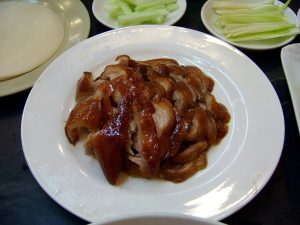
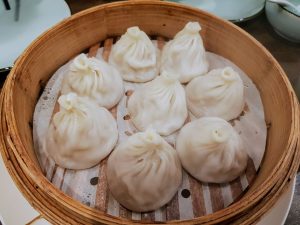
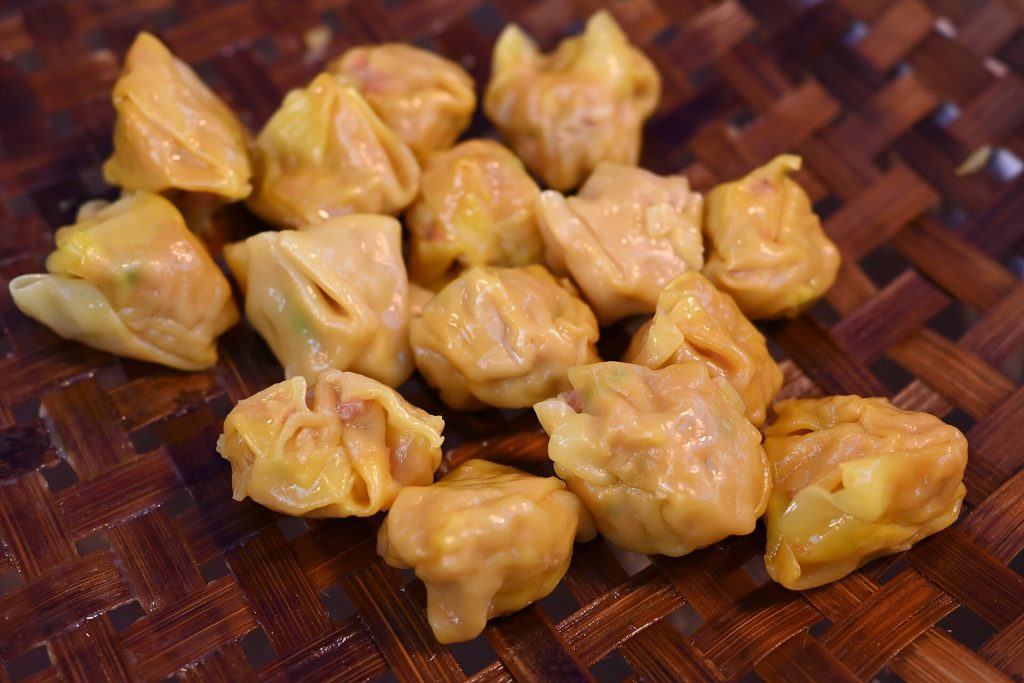
Some classic rooms still push steam carts; many modern spots use paper sheets or tablets. Tick what you recognize—har gow, siu mai, char siu bao, cheung fun—then add one adventurous plate. Ask staff before assuming every basket is mild.
Practical first-timer flow
1. Join a queue or take a number if the room uses one.
2. Confirm tea and table notes on the live menu—no blog price gospel.
3. Order in waves so food stays hot.
4. Keep sauces tidy; use the serving spoon when provided (chopsticks etiquette for foreigners).
5. Pay by scanning the table QR; keep a cash backup (when you still need cash in China).
Etiquette that prevents awkwardness
Do not tip by default in mainland casual dining unless a clear service charge or local exception appears. Finish what you reasonably can; waste is noticed. Families can ask for kid-friendly non-spicy picks.
Common mistakes
Ordering everything at once; treating carts as free samples; blocking aisles for photos; and arguing prices from a tourist blog.
November–December notes
Weekend yum cha runs busy—go earlier. Pair with a light afternoon walk rather than another heavy hotpot. For transport after brunch, metro usually beats fighting lunch-hour traffic (Guangzhou airport metro vs Didi for airport days).
Angle: Guangzhou dim sum ordering for first-timers—tea, sheet, share—not a ranking list.
Vocabulary crumbs that help
Har gow (shrimp dumpling), siu mai, char siu bao, cheung fun, lo mai gai, egg tart. Pointing at neighboring tables is normal when language fails—do it politely.
Sharing math
For two adults, start with three to five items, then add. For four adults, order wider but still in waves. Leftover mountains help no one.
Dietary notes
Ask about peanuts, shellfish, and pork clearly. Translation apps help when offline packs are installed (offline vs online translation apps, camera and offline translation apps). Vegetarian travellers should confirm broth and lard assumptions.
After yum cha
Walk the humidity off; metro home (Guangzhou metro first-timers). Save heavy hotpot for another meal. Weekend Guangzhou plans can absorb a dim sum brunch without needing an airport transfer the same morning (Guangzhou airport metro vs Didi, Guangzhou November weekend planner).
Field notes worth screenshotting
Before you lose signal, capture: booking codes, Chinese addresses, payment success screens, and any official notice that changed your plan. Lovely China orients travellers; live counters and apps win disputes. Focus reminder for this article: ordering Cantonese dim sum in Guangzhou as a foreigner first-timer—cart vs order sheet, tea etiquette, sharing plates, payment QR, without inventing restaurant rankings or prices.
Keep China travel tools page and essential apps for foreigners bookmarked so tomorrow’s logistics stay boring while today’s lesson stays specific.
Paying and leaving without drama
When finished, scan the table code or take the stamped sheet to the cashier as instructed. Confirm the total once. No need for theatrical tipping theater—see our tipping etiquette piece for mainland norms. Thank the staff, gather belongings, and free the table for the next queue. Weekend yum cha is a relay; your calm exit is part of the culture (queue etiquette for foreigners, Alipay and WeChat Pay hub).
Related Lovely China reading
For payments, start with Alipay and WeChat Pay hub and WeChat Pay vs Alipay for tourists. For trains, keep high-speed rail first-timers guide and 12306 passport signup for foreigners handy. City hubs: Beijing first-visit guide, Shanghai first-visit guide. Connectivity: roaming vs local SIM honest guide, pocket Wi-Fi vs eSIM for China, offline maps for foreigners. Bookmark China travel tools page.
Practical checklist
- Confirm official rules on the relevant government, park, airline, or bank page near your travel week
- Screenshot bookings, tickets, and QR codes while you still have stable Wi-Fi
- Save hotel and attraction names in Chinese characters in your phone notes
- Carry passport, a backup payment method, and a small cash float (why cash is still needed)
- Test one small mobile payment before you rely on wallets at a gate or taxi
- Keep the China travel tools page page bookmarked for related Lovely China hubs
FAQ
Do I tip for dim sum in Guangzhou?
Usually no in casual mainland dining; follow the bill if a service charge is printed.
Cart or menu—which is correct?
Both exist. Follow what your dining room uses that day.
How many dishes for two people?
Start with a few baskets and add waves; sharing is the point.
Notes for late 2026 travellers
November and early December bring cooler mornings, earlier sunsets, and comfortable walking weather across much of eastern and central China. Pack layers and leave extra time on clear weekends at popular sights.
This article does not invent ticket prices, opening hours, processing times, consular fees, or official statistics. When a number matters, verify it on the official site, app screen, or ticket board near your travel week.
If an official rule page disagrees with this guide, follow the official page. Lovely China orients English-speaking travellers; we are not an immigration, banking, or medical authority.