Connectivity is not a side quest on a China trip—it is how you pay, navigate, and message the hotel when the taxi door closes. In 2026, English-speaking visitors usually choose among three paths: stay on home-carrier roaming, buy a physical local SIM, or install a travel eSIM. Each can work. Each fails in different ways.
This comparison stays honest: no invented yuan-per-gigabyte tables, no illegal unlock tutorials, and no VPN how-tos. For product-style detail on tourist SIMs and eSIMs, use our dedicated eSIM and SIM card guide for foreigners. Pair connectivity with the essential apps stack and payment setup.
What “working data” must actually do
Before picking a product, list the jobs your phone must perform on day one:
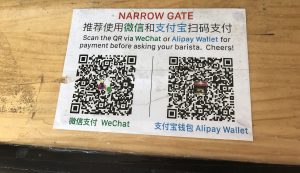
- Load WeChat and Alipay QR codes
- Show maps to the hotel
- Receive bank OTPs for foreign-card linking
- Call or message a hotel through WeChat
- Show train tickets or airline barcodes
If any of those fail because you have Wi‑Fi only in the lobby, the trip feels harder than it should. Airport Wi‑Fi helps for the first twenty minutes; it is not a week-long plan.
Option A: Home-carrier roaming
Mindset. Roaming is convenience priced as a premium. Your number stays the same, OTPs arrive to the familiar SIM, and you avoid airport counters. Whether that premium is “fine” or “painful” depends entirely on your carrier plan—check your operator’s China roaming pack before you fly, including daily caps, high-speed allotments, and what happens when you exceed them. This article will not invent dollar figures that go stale next month.
Strengths. Simplest social continuity; banks already know your number; dual duties (home SMS + travel) stay on one line.
Weaknesses. Surprise bills if you forget to register a travel pass; possible slower speeds; some travellers report uneven coverage indoors. Hotspot rules vary by plan.
Best for. Short business hops, travellers who must receive SMS on a specific home number, or anyone who values zero setup over cost optimisation.
Option B: Physical local SIM (airport or city shop)
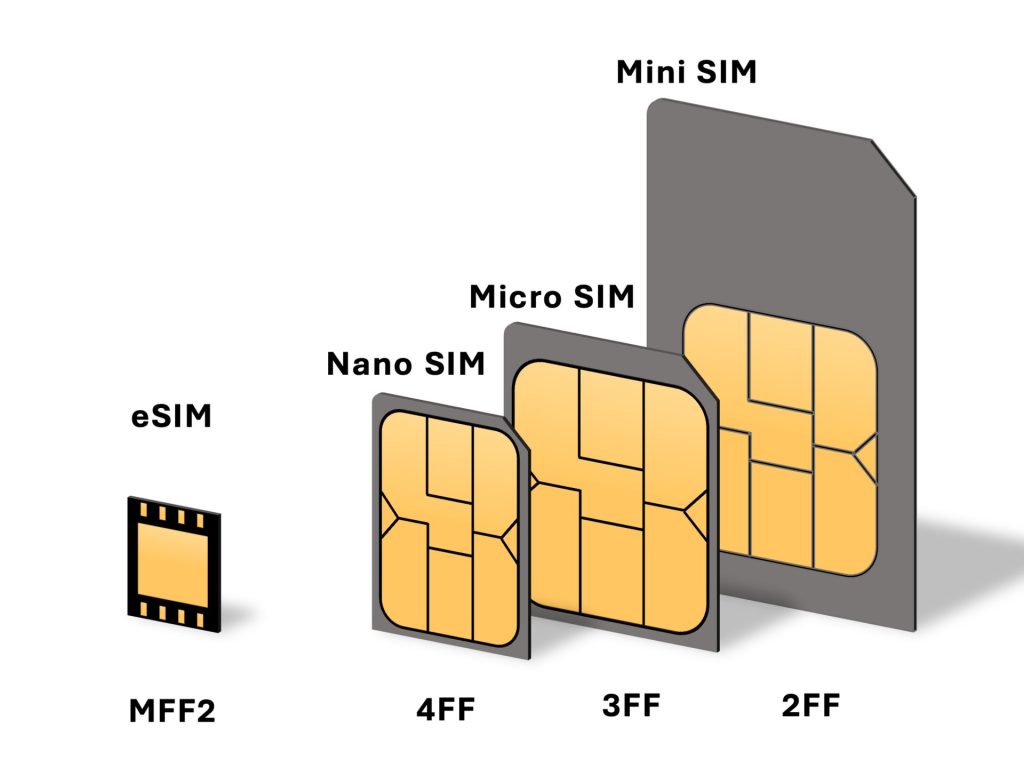
Mindset. Buy a legitimate tourist or prepaid SIM from a carrier counter or authorised shop with your passport. Staff register the SIM under real-name rules. You typically swap out your home SIM (or use a dual-SIM phone).
Strengths. Often strong mainland coverage and local-speed data once activated; counters exist at major international airports; shops in city centres can help if something fails on day two.
Weaknesses. Queue time after a long flight; English quality varies; you must not lose the tiny SIM when swapping; your home number goes offline unless you have dual-SIM or eSIM for home.
Best for. Visitors staying long enough that a counter visit pays for itself in predictability, and phones that accept the physical form factor.
Bring passport to the counter. Use only official carrier queues—not strangers in arrivals who whisper special deals.
Option C: Travel eSIM
Mindset. Purchase a travel data eSIM from a provider that supports mainland China, install via QR before departure or on airport Wi‑Fi, and keep your physical home SIM for SMS if the phone allows dual active profiles.
Strengths. No tray gymnastics; setup can be finished at home; easy to pre-configure for late-evening arrivals at Beijing Capital, Daxing, or Shanghai Pudong.
Weaknesses. Phone must be eSIM-capable and carrier-unlocked for that profile; installation glitches happen; not every marketed “China eSIM” behaves the same for all apps and routes—read the provider’s mainland coverage notes carefully; customer support time zones may not match your midnight arrival.
Best for. Frequent travellers with newer phones who want data up before baggage claim.
Verify compatibility on your exact phone model. Follow the provider’s install order (often: install while you still have home data, enable the line on landing).
WeChat, Alipay, and number-binding implications
Some verifications love SMS to a mainland number; others accept foreign numbers or in-app checks. Realistic approach:
- Keep access to the number you used to register WeChat historically
- If you change the primary SIM, know how you will receive OTPs
- Do not create grey-market accounts tied to someone else’s identity
Payment wallet linking can usually proceed with foreign cards even when your data line is a travel eSIM—test early with a tiny purchase. See WeChat Pay foreign card setup.
Dual-SIM strategies that reduce regret
Modern phones often combine one physical + one eSIM, or two eSIMs. Popular patterns:
- Home SIM (or home eSIM) for SMS + travel eSIM for data
- Travel physical SIM for data + home eSIM for SMS
Label lines clearly so calls do not bill unexpectedly. Turn off needless background roaming on the home line if you are data-only travelling.
Offline maps and soft backups
Whatever option you choose, download offline maps and translation packs before wheels-up. Screenshot Chinese hotel addresses. Keep a small cash float for the hour your data misbehaves. Connectivity products fail; paper and cash do not argue with towers.
Airport counter vs pre-purchase
Pre-purchase eSIM wins when you land late and hate queues.
Airport SIM wins when you want a human to scan your passport and confirm the line is live before you leave the terminal.
Roaming wins when your employer pays or your plan already includes China.
For November evening arrivals—cold wind at northern airports, long taxi lines—having data before you exit customs is worth real calm.
What we will not tell you to do
- Do not use illegal unlocking services hawked in chats
- Do not buy SIMs tied to borrowed IDs
- Do not follow random “free data” QR codes in elevators
- Do not expect this site to publish VPN configuration steps; follow local law and company policy on communications
How to decide in five questions
1. Must OTPs hit my home number unchanged? → lean roaming or dual-SIM keep-home.
2. Is my phone eSIM-capable and unlocked? → eSIM becomes attractive.
3. Is my first night a late arrival with no patience for counters? → pre-install eSIM or enable roaming.
4. Am I staying long enough for a local number to matter for local services? → consider official local SIM.
5. Did I test WeChat/Alipay login on hotel Wi‑Fi before relying on one plan? → always test.
FAQ
Is roaming always more expensive than a local SIM?
Often it can be, but not universally—carrier travel packs vary widely. Compare your operator’s China plan to official tourist SIM and reputable eSIM offerings for your dates; do not trust a single viral screenshot.
Can I keep WhatsApp or other home apps on a China eSIM?
App behaviour depends on network conditions and the app itself. Plan offline alternatives and WeChat for local contacts. We will not provide circumvention instructions.
Will an eSIM replace WeChat’s need for a phone number?
Not always. Account recovery and some OTPs still involve numbers. Know which number WeChat expects before you yank your home SIM.
Are airport SIMs safe?
Official carrier counters that passport-register your SIM are the normal legitimate path. Avoid unmanaged street sellers.
Where should I read next?
The detailed eSIM/SIM foreigners guide and the essential apps list.
Bottom line
Roaming buys simplicity, local SIMs buy mainland-native data with a counter visit, and eSIMs buy pre-landing setup—when your phone supports them. Choose based on OTP needs, arrival time, and how much setup you tolerate, then download offline maps regardless. Legitimate channels only; test payments as soon as data is alive.