When Jiangnan weather turns cool and damp, sweet shops and restaurant menus lean into tangyuan—glutinous rice balls that comfort the way hot chocolate does in other climates. Ningbo’s reputation in this category is outsized: travellers hear about rich black-sesame fillings and a lush mouthfeel long before they step off the high-speed train from Shanghai or Hangzhou.
This guide is for winter first-timers who want to understand Ningbo-style tangyuan in plain English: what locals celebrate, how the dish differs from northern “yuanxiao” narratives you may have read, where visitors commonly encounter bowls in Ningbo and nearby cities, and how to order without fake price lists or invented top-ten rankings.
What tangyuan are
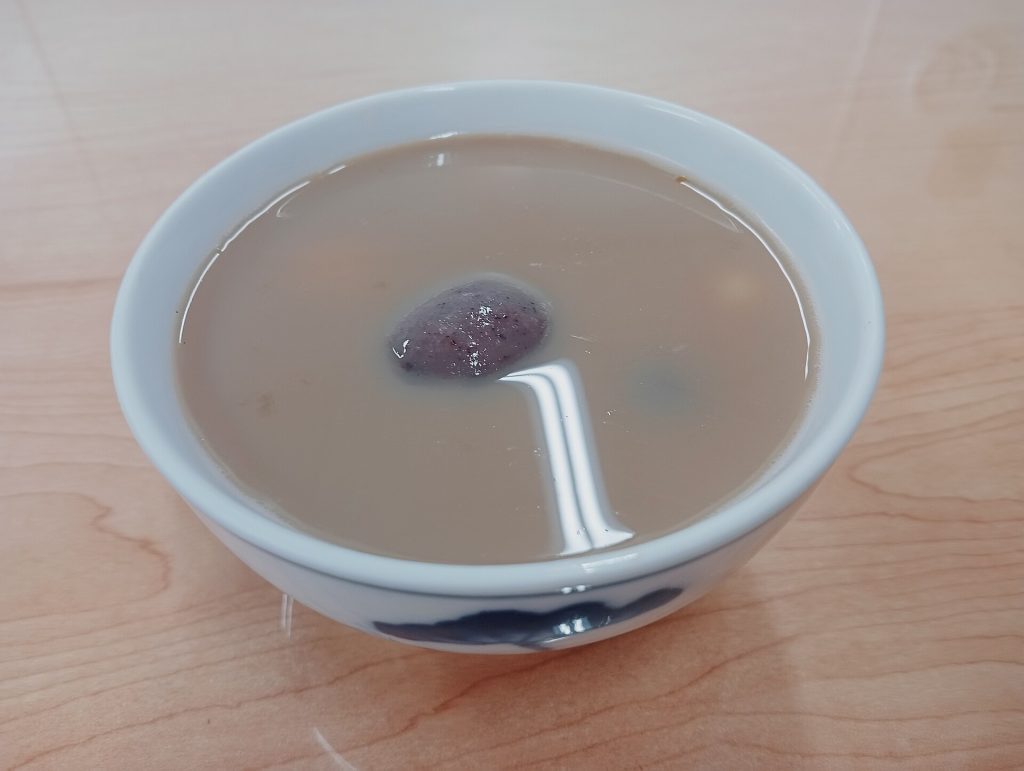
At heart, tangyuan are balls of glutinous rice dough, often filled, served in a warm sweet soup or sometimes pan-touched depending on the shop’s style. They show up year-round but surge around winter festivals and family gatherings—especially near Lunar New Year timing—while everyday dessert shops may sell them whenever the kitchen is in the mood.
Texture is the point: soft, sticky, aromatic filling that contrasts with the mild broth. If you dislike glutinous chew, order a small portion first.
What “Ningbo-style” usually signals
Ningbo’s fame often centres on black sesame fillings and a richness historically associated with lard in classic recipes—yielding a glossy, fragrant centre that feels more dessert-luxurious than austere. Modern shops may offer variations (lighter oils, peanut, red bean, fruit twists) to match contemporary tastes and dietary preferences. Ask if you need pork-free or vegetarian preparation; classic recipes are not automatically vegan.
You will also hear pride about dough craft—smooth skins that do not fall apart in the soup. Quality varies by shop; a busy local queue is a better clue than English-language hype alone.
Tangyuan vs yuanxiao—in plain language
Food writers love a sharp north/south dichotomy. The useful visitor version is milder:
- Tangyuan talk dominates much of the Jiangnan and southern dessert vocabulary you will meet in Ningbo, Shanghai, and Hangzhou winter menus.
- Yuanxiao is a word you will encounter in northern festival contexts, with different production stories (rolling vs wrapping narratives appear in culinary essays).
As a traveller, you do not need to referee culinary history at the table. If the menu says tangyuan, you are in the glutinous-ball dessert family; enjoy the bowl in front of you. If a northerner friend insists on distinctions, listen with interest—and still finish your sesame filling.
Festival bowls vs everyday shops
Around major winter festivals, families make or buy tangyuan as ritual comfort. Restaurants may promote special sets. On ordinary December weeknights, dedicated sweet shops, long-running local brands, and hotel restaurants may still quietly serve them because demand never fully leaves.
For visitors, everyday shops are often easier: shorter drama, clearer ordering, less “seasonal performance.” Festival eve crowds can be charming or exhausting—choose based on your noise tolerance.
Where travellers encounter Ningbo tangyuan
In Ningbo itself. Look for established sweet shops and restaurants that list 汤圆 on Mandarin menus. Hotel staff can point to places locals actually queue—use that over random map pins with stock photos.
In Shanghai and Hangzhou. Ningbo-style or Ningbo-branded tangyuan appear as regional specialty items in some dessert chains and banquet desserts. Ask whether the filling style matches what you want (black sesame vs others).
At home stays and banquets. If invited to a family meal in winter, tangyuan may appear as a finale. Accepting a second ball is usually a compliment to the cook; declining politely is fine if you are full.
How to order
1. Find 汤圆 (tāngyuán) on the menu—or show the characters.
2. Ask which fillings are available: 芝麻 (sesame) is the classic request many visitors make.
3. Clarify soup sweetness if you are sensitive to sugar.
4. Start with a modest count of balls; you can always add.
5. Pay by WeChat or Alipay; keep a little cash for tiny shops.
If you have sesame allergies, say so clearly and verify fillings—do not assume “sweet” means safe.
Eating tips
- Let hot soup cool a beat; molten sesame filling burns impatient tongues.
- One ball per spoonful keeps shirts clean.
- Pair with light tea if the richness builds—Hangzhou’s tea culture sits a short rail ride away (Longjing tasting).
- Glutinous rice sits heavy before a sprint across town; schedule a walk, not a museum race, afterward.
Winter travel context
Ningbo in late autumn and winter pairs tangyuan with damp cold, harbour winds, and inland Jiangnan day trips. High-speed rail from Shanghai makes a food-motivated side trip feasible; still plan station time via 12306 tips. Dress in layers—the bowl heats you from inside, the platform will not.
If your wider Jiangnan loop includes Hangzhou’s West Lake, keep dessert themes distinct: vinegar fish and Longjing for Hangzhou days, tangyuan when Ningbo or Ningbo-style shops appear.
What not to expect
- A single official “best shop” forever ranking
- Fixed tourist prices published in this article
- Guaranteed festival availability on every random weekday
- The same sweetness level across every kitchen
Taste is local and personal. Chase aroma and texture, not checklist glory.
Pairing tangyuan with a Ningbo city stroll
A bowl of tangyuan is better as a punctuation mark than as the only sentence of the day. Walk harbour-adjacent promenades, old-street fragments, or a museum hour before you sit down to something sweet and heavy. Glutinous desserts love a prior appetite and dislike being jammed between two greasy meals.
If you are visiting from Shanghai on a short rail hop, resist the urge to treat Ningbo as a smash-and-grab dessert run. Even a half-day grid of walking makes the bowl taste like arrival rather than logistics.
Bringing the idea home (without smuggling rules lectures)
Travellers sometimes want to recreate tangyuan abroad. Commercial frozen versions exist in many overseas Asian grocers; they will not perfectly clone a Ningbo master shop, and that is fine. What you can bring home cleanly is the pacing: serve them hot, warn guests about molten centres, and keep portions modest. Leave customs questions about food souvenirs to official airline and border rules for your route—do not pack dripping soup bowls into cabin bags.
FAQ
Are Ningbo tangyuan only for Lunar New Year?
No. Festival peaks matter culturally, but shops and restaurants may serve them across winter and beyond.
Are they very sweet?
Often sweetly comforting, but intensity varies. Ask and sip the soup before committing to a huge serving.
Can vegetarians eat them?
Sometimes—classic fillings may include lard. Ask explicitly about vegetarian versions.
Is glutinous rice hard to digest?
It can feel heavy. Eat slowly and avoid racing to the next greasy meal immediately after.
Where should I read next for Jiangnan food?
Hangzhou Longjing tasting and other Hangzhou food guides on Lovely China, plus Shanghai first-visit if Ningbo is a rail side trip.
Bottom line
Ningbo tangyuan are winter comfort in ball form—especially black sesame with that famous rich centre—best approached as a warm pause rather than a competitive food stunt. Order a few, mind the molten filling, ask about dietary details, and let Jiangnan’s cold air do the rest of the seasoning outside the shop door.