If there is one culinary creation that perfectly encapsulates the vibrant, cross-cultural history of Macau, it is the legendary Macau pork chop bun. Known locally in Cantonese as zhu pa bao (豬扒包), this seemingly simple street food is an absolute must-try for any visitor. It is the undisputed king of Macanese street snacks, drawing massive lines of hungry locals and tourists alike every single afternoon.
For first-timers, stepping into the chaotic, fragrant streets of Macau and trying to find the absolute best version of this iconic sandwich can feel overwhelming. With hundreds of cafes, street vendors, and restaurants claiming to serve the “authentic” recipe, where do you start? What exactly should you be looking for in the perfect bite?
This comprehensive guide will walk you through everything you need to know about the Macau pork chop bun: what it is, the fascinating history behind it, exactly where to find the best ones, and practical tips to ensure your first experience is nothing short of mouthwatering.
If you are planning a broader trip through the region, be sure to check out our Ultimate Macau Day Trip Itinerary and our guide to Hong Kong’s Best Street Food to keep your culinary adventure going.
What Exactly is a Macau Pork Chop Bun?
To the uninitiated, a pork chop bun might just look like a piece of meat shoved into a bread roll. But to understand the hype, you have to break down its two masterfully executed components: the bun and the pork chop. It is a masterclass in textural contrast and flavor balance.
The Bun (The Piggy Bun)
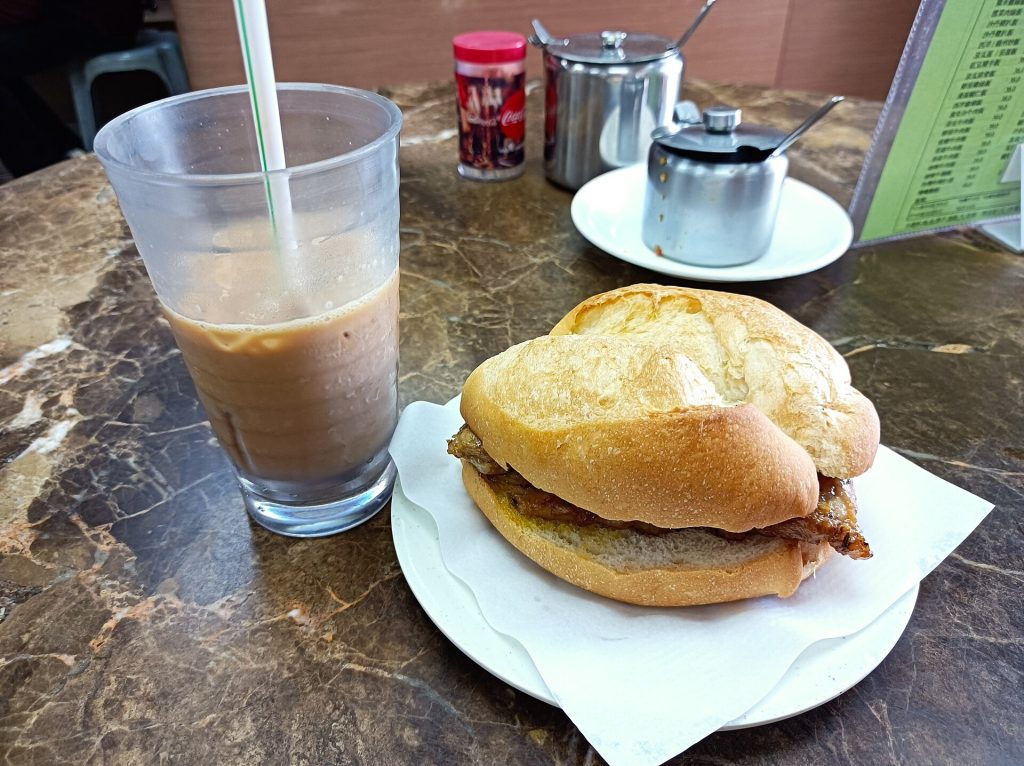
The bread used for a traditional Macau pork chop bun is a Portuguese-style roll, locally referred to as a “piggy bun” (chou pa bao). Unlike the soft, pillowy milk bread you might find in a traditional Chinese bakery, this bun leans heavily on its European roots. It boasts a remarkably crisp, crackly exterior that gives way to a chewy, airy crumb on the inside.
Before the sandwich is assembled, the bun is typically sliced open, lightly buttered, and toasted over a charcoal fire or in an oven. This crucial step prevents the bread from becoming soggy when it meets the juicy pork, ensuring that every single bite delivers a satisfying, audible crunch.
The Pork Chop
The star of the show is, of course, the bone-in pork chop. The meat is tenderized, often pounded flat with a mallet, to ensure it remains incredibly soft and easy to bite through. The marinade is where the magic happens. A fiercely guarded secret among Macau’s top chefs, a classic marinade typically includes a complex blend of soy sauce, sugar, garlic, five-spice powder, black pepper, and sometimes a splash of Chinese cooking wine or brandy.
Once deeply marinated, the pork chop is pan-fried or deep-fried until the edges are beautifully caramelized and slightly charred, while the interior remains bursting with savory, sweet, and garlicky juices. The bone is intentionally left on—a hallmark of authenticity that proves the meat is an actual chop rather than a processed patty.
Notably absent are sauces, lettuce, tomatoes, or mayonnaise. The Macau pork chop bun is a purist’s dream. The rich juices of the pork and the buttered, toasted bun are all the moisture and flavor the sandwich requires.
A Bite of History: How the Pork Chop Bun Became Macau’s Signature Snack
To fully appreciate your first bite, it helps to understand the history baked into it. Macau is often dubbed the home of the world’s first fusion cuisine, born from over 400 years of Portuguese colonial rule on Chinese soil.
The pork chop bun is a direct descendant of the Portuguese bifana—a traditional sandwich consisting of thin slices of marinated pork stuffed into a crusty bread roll. When the Portuguese brought their baking techniques and love for pork to Macau, local Chinese chefs adapted the recipe to suit regional palates and available ingredients.
Instead of the white wine and paprika marinade used in Portugal, Macanese cooks utilized soy sauce, five-spice, and ginger. They swapped the thin slices of pork for a hearty, bone-in Chinese-style pork chop. The result was a harmonious marriage of European bread-making and Cantonese flavor profiles.
Today, the pork chop bun stands alongside Portuguese Egg Tarts and African Chicken as a pillar of Macanese gastronomy, representing the city’s unique identity as a bridge between East and West.
Top 5 Places to Eat the Best Pork Chop Buns in Macau
As a first-timer, you cannot afford to waste your appetite on a mediocre bun. While you can find them on almost every street corner in Macau, here are the top five legendary establishments that have perfected the craft.
Tai Lei Loi Kei (大利來記)
If there is one name synonymous with the Macau pork chop bun, it is Tai Lei Loi Kei. Located in Taipa Village, this iconic open-air cafe has been serving up their famous buns for over 50 years. They are famous for cooking their pork chops over a wood-burning stove, which imparts a subtle, smoky flavor that is impossible to replicate on a gas grill.
Practical Tip: They only start serving their traditional buns at 2:00 PM daily, and they strictly limit production. Arrive by 1:30 PM to get in line, as they frequently sell out before 4:00 PM.
Sei Kee Cafe (世記咖啡)
For those exploring the historic center near the Ruins of St. Paul’s, Sei Kee Cafe is a must-visit. Originally founded in 1965 as an outdoor tea stall, they are renowned not just for their food, but for their heritage beverages. Their pork chop bun is phenomenal—the meat is exceptionally thick and juicy.
Practical Tip: Do not leave without pairing your bun with their signature clay pot brewed coffee or charcoal-roasted milk tea. The bitterness of the tea perfectly cuts through the rich fattiness of the pork.
Cafe Nam Ping (南屏雅敘)
For a nostalgic, old-school diner experience, head to Cafe Nam Ping, Macau’s oldest cha chaan teng (traditional tea restaurant). Stepping inside feels like traveling back to the 1960s. While their classic pork chop bun is excellent, they also offer a popular variation that includes a thick, fluffy layer of scrambled eggs (chao dan zhu pa bao).
Practical Tip: This is a great breakfast or brunch spot. Grab a booth, order the egg and pork chop bun, and soak in the vintage ambiance alongside the local regulars.
Sun Ying Kei (新英記)
A hidden gem often overlooked by tourists but beloved by locals, Sun Ying Kei was recognized with a Michelin Plate for its dedication to traditional street food. What sets them apart is their bread. Instead of the classic Portuguese roll, they offer their pork chop stuffed between two halves of a charcoal-grilled pineapple bun (bolo bao). The sugary, crusty top of the pineapple bun paired with the savory pork is an incredible sweet-and-salty combination.
Pui Kei (沛記)
Located on the bustling Rua do Cunha in Taipa, Pui Kei offers a fantastic, no-frills pork chop bun that is incredibly reliable. Their marinade leans slightly sweeter than others, and the meat is pounded exceptionally thin, making it wonderfully crispy on the edges. It is a fantastic grab-and-go option if you want to snack while wandering through Taipa’s colorful alleyways.
Pro Tips for First-Timers: How to Eat Like a Local
To ensure your Macau food adventure goes off without a hitch, keep these practical tips in mind:
Watch out for the bone: This is the most important rule for first-timers! Authentic Macau pork chops are served bone-in. Do not bite down with full force immediately, or you might end up needing a dentist. Eat carefully around the edges until you locate the bone.
The 2:00 PM Golden Hour: Many traditional bakeries and cafes bake their bread in the morning and only start frying the pork chops and assembling the sandwiches in the mid-afternoon (usually around 2:00 PM or 3:00 PM) for the local “afternoon tea” time. Check the specific serving times of the restaurant you plan to visit.
Bring Cash (Macanese Pataca or Hong Kong Dollars): While larger restaurants accept cards, many of the best, most authentic hole-in-the-wall cafes and street vendors are strictly cash-only.
Eat it immediately: The beauty of the pork chop bun lies in the contrast between the hot, juicy meat and the dry, crispy bun. If you wrap it up and eat it an hour later, the steam will ruin the bread’s texture. Eat it fresh on the street.
Frequently Asked Questions (FAQ)
Q: Are there any sauces on a traditional Macau pork chop bun?
A: No! A true, traditional Macau pork chop bun contains absolutely no sauces—no mayo, no mustard, and no ketchup. It also contains no vegetables. The flavor comes entirely from the deeply marinated pork and the buttered bun.
Q: Is the meat spicy?
A: Not at all. The flavor profile is savory, slightly sweet, garlicky, and aromatic from the five-spice powder. It is very mild and suitable for people who do not tolerate spicy food.
Q: How much does a pork chop bun usually cost?
A: Prices vary depending on the establishment, but you can generally expect to pay between 35 to 50 MOP (Macanese Pataca), which is roughly $4.50 to $6.00 USD.
Q: Can I get a boneless version?
A: Some modern cafes and hotel restaurants offer boneless versions for convenience, but traditionalists argue that cooking the meat on the bone retains more flavor and juiciness. If you want the authentic street-food experience, embrace the bone!
Q: What is the best drink to pair with it?
A: The ultimate pairing is a cold Hong Kong-style milk tea or a hot clay-pot brewed coffee. The strong tannins of the tea and the slight bitterness of the coffee perfectly balance the heavy, savory, and greasy nature of the fried pork chop.
Ready to plan the rest of your trip? Read our guide on Navigating the Ferries from Hong Kong to Macau to ensure a smooth journey to your first pork chop bun!
Related Lovely China guides
- Haidilao Hot Pot in China: A First-Timer’s Guide for Foreigners
- Sichuan Peppercorn (Huajiao) Explained: Why Your Mouth Goes Numb
- China Convenience Store Food: What to Buy and How to Pay (2026)
FAQ
Is this guide current for late 2026?
It reflects commonly reported practice as of October 2026. Always re-check official sources before you travel, because rules, ticket platforms and seasons change.
Where can I verify details?
Use the official website, WeChat account or ticket platform named for this topic. For payments and maps, see Lovely China’s practical visitor guides linked above.
What if my situation is unusual?
Ask your hotel, airline, park ticket office or embassy/consulate for case-specific advice rather than relying only on a blog post.