By the middle of November 2026, the stifling, heavy humidity that blankets Changsha for much of the year has finally surrendered. Stepping out onto the street just after 6:30 AM, the air carries a crisp, damp chill rolling off the Xiang River. It is the kind of morning that warrants zipping up the first light jacket of a southbound trip—a mild, refreshing coolness that stands in stark contrast to waking to the first white roofs on the edge of winter in Beijing. Here in Hunan province, autumn arrives not with a bitter, bone-rattling freeze, but with a sudden, comfortable clarity that breathes life back into the city streets.
Down a narrow alleyway wedged between two towering concrete apartment blocks, the neighborhood wet market is already fully awake. In Chinese cities, these markets are the beating, vital heart of the community. They are where the seasonal clock is kept, not by calendars, but by the arrival of freshly dug bamboo shoots or the sudden disappearance of summer peaches.
The Geometry of the Morning Market
Under a patchwork canvas ceiling of forest green, faded blue, and striped red awnings, the early light catches the vibrant, messy geometry of autumn produce. The market is an immediate sensory overload of color, texture, and frantic, purposeful movement. There are tall, muddy stacks of fresh lotus root—thick and bulbous, still caked in the dark river clay that preserves their moisture. Beside them lie bundles of water spinach tightly bound with rough straw, and massive, pale-green winter melons sliced cleanly down the middle to reveal their snowy, seed-speckled interiors.
Puddles from the morning washdown reflect the soft, warm glow of bare incandescent bulbs strung haphazardly above the stalls. Shoppers—mostly elderly residents pulling small, plaid canvas carts on squeaky plastic wheels—navigate the narrow, constantly wet aisles with practiced efficiency. There is a distinct etiquette here: move deliberately, don’t block the aisle, and inspect everything. You watch grandmothers meticulously peel back the husks of fresh water chestnuts or hold up leafy greens to the light to check for insect holes.
Despite the sheer volume of people, there is no loud shouting or aggressive haggling. Instead, there is the low, steady, rhythmic hum of morning commerce: the heavy thud of a cleaver against a grooved wooden block, the splash of water from a plastic bucket, the crinkle of thin plastic bags, and the rapid-fire exchange of local Hunan dialect, which sounds remarkably like a cheerful argument even when discussing the price of cabbage.
The River’s Catch and the Butcher’s Block
To truly grasp the diet of central China, you have to look beyond the vegetables to the protein aisles, where the raw materials of Hunan’s famously robust cuisine are prepared. Hunan is a landlocked province, but it is defined by its waterways, most notably the Xiang River and the vast, shimmering expanse of Dongting Lake to the north.
The seafood section of the market reflects this freshwater bounty. Vendors in heavy rubber boots and waterproof aprons preside over shallow, aerated plastic tubs. Inside, silver carp, grass carp, and yellow croakers swim in tight circles. When a fish is chosen, the vendor dispatches it with lightning speed, scaling and gutting it on a worn wooden board in a matter of seconds. In neighboring mesh nets, bullfrogs climb over one another—a staple protein in Changsha, destined to be stir-fried in fiery, fragrant oil later that evening.
Just across the aisle, the butchers command the space with an imposing display of culinary anatomy. Pork is the undisputed king of meats here. Cuts of pork belly, heavily marbled and glistening, hang from heavy iron hooks. Butchers wield massive, rectangular cleavers with the precision of surgeons, expertly separating ribs or scraping the skin of a pork leg until it is perfectly smooth. For a visitor, navigating this section requires a bit of practical footwork; the floors here run slick with water, melted ice, and discarded scales, making a sturdy pair of boots the best footwear choice for your morning exploration.
A Symphony of Spice and Tofu
If you want to understand the fiery, unapologetic heart of this province, you do not need to wait for a restaurant to open for dinner. The smell of the morning market tells the entire story.
At one bustling corner, the sharp, acidic tang of fermentation aggressively cuts through the cool autumn air. Vast plastic basins, the size of small bathtubs, are filled to the brim with roughly chopped red and green chilies. These are soaking in oil, raw garlic, and salt, beginning the chemical transformation into duojiao, the signature fermented chili relish of the region. Next to the wet basins, massive woven sacks of dried chilies—ranging from the bright red, relatively mild Erjingtiao to the small, fiercely hot Chaotianjiao (facing-heaven peppers)—release a faint, dusty heat into the atmosphere that catches lightly in the back of your throat. For anyone dipping into Hunan cuisine for the first time, seeing the sheer volume of capsaicin moving through a local market at dawn is an education in itself. It is not just an ingredient here; it is a foundational pillar of life.
Mingling directly with the airborne spice is the unmistakable, earthy, and highly polarizing scent of Changsha’s most famous export: stinky tofu (chou doufu). Long before it reaches the bustling, neon-lit tourist night markets of Wuyi Square to be deep-fried on sticks, the tofu sits quietly in the morning market. It rests in dark, murky vats of specialized brine made from fermented bamboo shoots, shiitake mushrooms, and winter herbs. The smell is pungent, slightly sulfurous, and intensely vegetal. It mingles with the steam rising from neighboring breakfast stalls to create an aromatic profile that is uniquely, undeniably Changsha.
The Anatomy of a Changsha Mifen Breakfast
Zipping the jacket up a little higher against the river breeze, the chill brings back memories of smoke, jasmine tea, and a similar first jacket on a November evening in Chengdu. The natural, time-honored remedy for the autumn dampness in southern China is internal heat, and in Changsha, that translates to a compulsory breakfast of rice noodles (mifen).
At the very edge of the vegetable stalls, acting as a fiery beacon for hungry shoppers, a massive aluminum pot of pork bone broth rolls at a constant, cloudy boil. A thick, fragrant cloud of steam envelops the vendor as she works. With a pair of long wooden chopsticks, she grabs a fistful of fresh, flat rice noodles—silky and stark white—and plunges them into the boiling broth in a woven bamboo basket. They need only a minute to soften. With a swift flick of her wrist, she shakes off the excess water and drops them into a heavy ceramic bowl.
The transaction is seamless and entirely silent; a quick scan of a laminated QR code taped to the grease-stained tile wall is all it takes. In 2026, even the smallest neighborhood noodle cart, vegetable vendor, or itinerant knife-sharpener operates effortlessly on Alipay and WeChat Pay. The flow of digital currency has completely eliminated the need to fumble with wet, fish-scented paper bills.
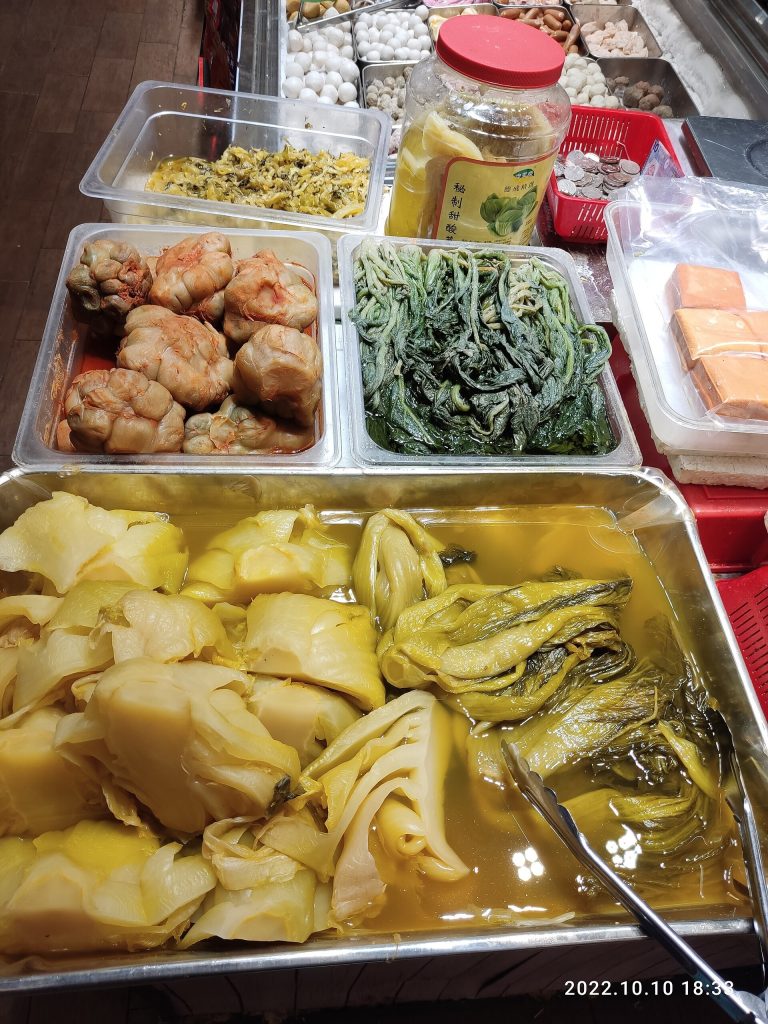
She hands over the bowl, but the dish is only half-finished. The true magic of a Changsha noodle stall is the DIY toppings bar. Sitting on a folding table is an array of stainless steel bowls. Here, you customize your heat and flavor profile. You ladle in a spoonful of sour pickled yardlong beans (suan doujiao), a dash of fiery diced garlic and chili, a sprinkle of roasted peanuts for crunch, and a handful of fresh cilantro.
Sitting on a low plastic stool that barely reaches your knees, resting the bowl on a wobbly table shared with two local grandfathers reading news on their smartphones, you take the first slurp. The scalding, richly savory broth hits your stomach, followed immediately by the sharp, electric bite of the fresh chili. Within three bites, the chill of the November morning entirely vanishes, replaced by a light, warming sweat on your forehead. It is just another day waking up in central China—spicy, steamy, remarkably complex, and perfectly balanced.
FAQ: Visiting Changsha Markets in Autumn
Is it cold in Changsha in November?
The weather in November is generally mild but crisp, especially in the early mornings and late evenings. Temperatures usually hover around 10°C to 15°C (50°F to 59°F). By mid-day, the sun can warm things up comfortably, but a light jacket, fleece, or a sturdy sweater is absolutely necessary for morning market explorations.
What time is best to visit a local wet market?
To see the market at its most active, chaotic, and authentic, you need to arrive between 6:30 AM and 8:30 AM. This is when restaurant owners and savvy local grandmothers do their shopping. By 10:00 AM, the freshest produce and best cuts of meat are gone, stalls are being hosed down, and the energy begins to wind down significantly.
Do I need to bring cash?
In 2026, cash is almost entirely obsolete, even in traditional wet markets. You will need to have Alipay or WeChat Pay set up on your smartphone, ideally linked to your international credit card. Vendors have QR codes printed on lanyards or taped to their stalls. Simply scan, type in the amount, and show them the green confirmation screen.
What kind of footwear is appropriate?
Leave your nice sneakers or canvas shoes at the hotel. Wet markets are, true to their name, very wet. The floors are often slick with melted ice, vegetable wash-water, and runoff from the seafood and meat stalls. A pair of waterproof boots or dark, easily washable walking shoes with good traction is highly recommended.
Can I take photos in the wet markets?
Generally, yes. Wet markets are public, bustling spaces, and street photography is common. However, always prioritize observational distance and basic respect. Avoid shoving cameras or smartphones directly into vendors’ faces while they are working with heavy cleavers or dealing with customers. If you want a close-up portrait, a smile, a polite nod, and asking “Ke yi ma?” (Can I?) goes a long way.
How do I find an authentic local market?
You will rarely find the best markets on tourist itineraries; they are simply part of the daily urban fabric, tucked into the ground floors of almost every residential neighborhood block. Use a local Chinese navigation app like Amap (Gaode Maps) or Baidu Maps, and search for “菜市场” (cai shi chang – vegetable market). It will immediately populate the map with dozens of options within a short walk of your hotel.
Related Lovely China guides
- Frost’s Descent (Shuangjiang) 2026 Visitor Notes
- Start of Winter (Lidong) 2026: Dumplings and What Closes
- What Chinese People Drink in Autumn: Seasonal Tea Habits for Visitors
FAQ
Is this a real itinerary?
It is an observational seasonal piece, not a step-by-step itinerary. Use it for atmosphere, then check live weather and opening hours locally.
When does a mild November morning feel like this in Changsha?
Timing varies by year. Central China autumn mornings can be cool and busy at markets; check a live forecast rather than treating any essay as a weather calendar.