The Shift Beneath the Plane Trees
There is a precise moment in Shanghai when the air stops negotiating. For weeks through September and into early October, the city exists in a state of atmospheric ambiguity—a lingering, humid warmth where linen shirts refuse to surrender and air conditioners hum a stubborn, low-frequency baseline against the afternoon glare. We walk the old French Concession under a canopy of London plane trees that feel perpetually heavy, waiting for a cue.
Then, almost overnight, the wind shifts. It happens during a quiet Tuesday night, slipping in from the northern plains before the dawn traffic begins. When we step outside onto the pavement, the humidity has been vacuumed out, replaced by a crisp, sharp edge that catches the back of the throat. This is Shanghai’s first true cold snap of late autumn—the seasonal pivot that transforms the city from a sprawling, humid port into a crisp, kinetic theater of transition. It reminds us of how the seasons turn elsewhere, much like the bracing First frost in Beijing, though here the cold arrives wrapped in maritime moisture rather than dry northern dust.
<Image alt=”Pedestrians walking under autumn plane trees in Shanghai during a cool snap” caption=”London plane trees shedding golden leaves along quiet streets” src=”image_agent_tag_55443029378504541″/>
—
Thinner Jackets and the Metro Symphony
By morning, the visual rhythm of the city’s underground arteries has rewritten itself. On the Shanghai Metro Line 2, hurtling beneath the Huangpu River, the collective wardrobe undergoes a quiet, urgent revision. The light, breathable overshirts and summer cottons are gone, replaced by a sudden sea of windbreakers, light wool coats, and zip-up hoodies that were pulled from closet storage boxes just hours before. We watch commuters adjust their collars against the morning chill. For foreign visitors navigating these bustling transit lines for the first time, keeping connected while tracking the sudden temperature drop is essential—having a reliable setup like a China SIM and eSIM for foreign visitors 2026 ensures you can check hourly weather shifts and adjust your layers on the fly.
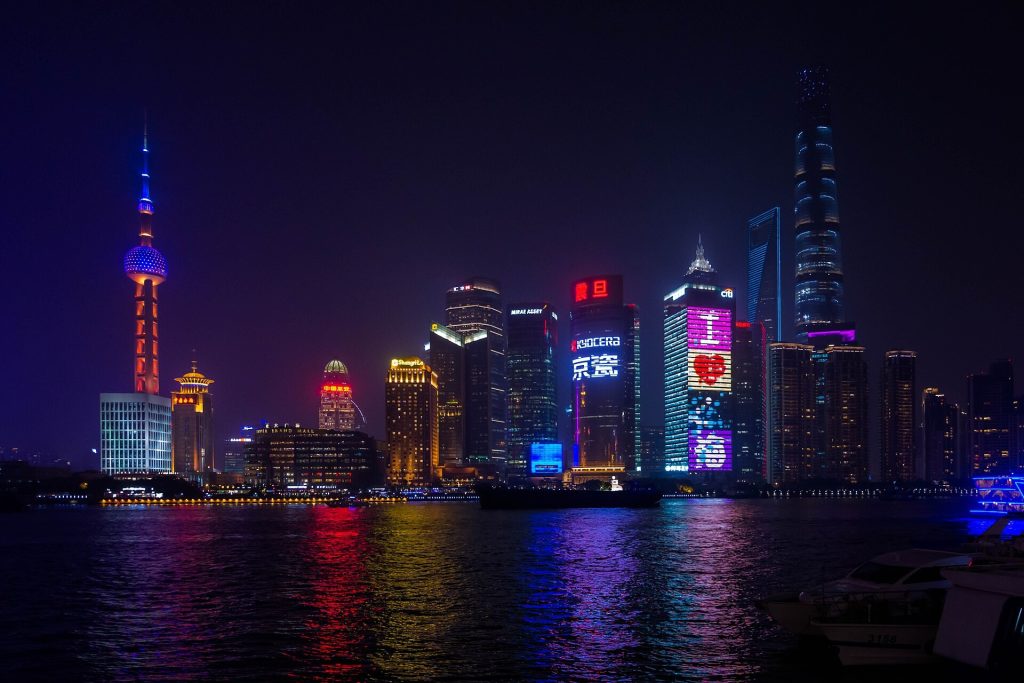
There is an atmospheric synchronicity to it all. Just weeks prior, we were sheltering from sudden downpours during the First autumn rain in Shanghai, watching the streets slick with monsoon-like runoff. Now, the rain has vanished, leaving behind pale, sharp sunlight that cuts horizontally across the glass facades of Lujiazui, illuminating the dust motes dancing in the sudden draft.
<Image alt=”Shanghai Bund skyline under crisp autumn sunlight” caption=”Crisp autumn light across the Huangpu River and Lujiazui skyline” src=”image_agent_tag_55443029378504032″/>
—
The Fragrance Fades, the Kitchens Warm
Before this cold snap took hold, the entire southern half of the city smelled of late-season sweetness—a lingering trace of honeyed blossoms that we captured in our memories during The last osmanthus of the season. But as the temperature drops into the low teens Celsius (an atmospheric detail rather than a permanent freeze), the delicate perfume of osmanthus is swept away by something much more grounded.
We smell it turning the corner onto Fuzhou Road: the heavy, comforting aroma of lard, soy sauce, and simmering broth. Shanghai kitchens pivot instantly toward preservation and warmth. Street-side noodle shops, which spent the summer serving cold tossed noodles and light scallion oil variations, suddenly find their steaming cauldrons surrounded by shivering crowds. We duck into a narrow shop, pulling out our phones to settle the bill via Alipay and WeChat Pay for foreign visitors—now seamless staples for anyone navigating modern urban life in China. A bowl of cai fan (vegetable rice) and a steaming bowl of pork chop soup arrive. The broth is hot, rich with ginger and white pepper, sending plumes of steam against the cold glass windows. Outside, electric scooters buzz past in a blur of bundled-up riders wearing oversized quilted capes and fleece handlebar mitts, a classic seasonal uniform of the Jiangnan wetlands.
—
Facing the Long Descent
This first cold snap is never truly winter; it is an introduction, a brief warning shot that reminds us how quickly the Yangtze River Delta transitions from subtropical lethargy to biting damp cold. Unlike northern regions where indoor municipal heating systems switch on by mandate on fixed dates (much like the anticipation detailed in The first heating day), Shanghai relies on individual reverse-cycle air conditioners, heated flooring, and extra layers to bridge the gap.
As evening settles and the neon lights of the Bund reflect off the choppy, slate-gray waters of the Huangpu, we pull our jackets tighter. The humidity is gone, the air smells of roasted chestnuts from a corner stall, and Shanghai feels smaller, cozier, and entirely renewed.
—
Frequently Asked Questions
When does the first cold snap typically arrive in Shanghai?
While autumn lingers through September and early October, the first noticeable cold snap usually arrives abruptly in late October or early November. It is typically triggered by a cold front sweeping down from Siberia and northern China, causing temperatures to drop sharply within a 24-hour window.
How do locals heat their homes during late autumn and winter in Shanghai?
Unlike northern China, which features city-wide centralized radiator heating systems, Shanghai homes and offices rely on independent split-unit air conditioners (set to heating mode), portable space heaters, electric blankets, and occasionally underfloor heating in newer developments.
What should travelers wear during Shanghai’s late autumn transition?
<!–
title: The First Cold Snap in Shanghai
slug: first-cold-snap-shanghai-story
category: Stories
focus: Shanghai first cold snap late autumn reflective story
meta: A reflective short story about Shanghai’s first real cold snap of late autumn — thinner jackets on the metro, warmer noodles, and the season turning toward winter.
cover_alt: Shanghai Bund skyline along the Huangpu River in cool autumn light
cover_credit: Photo: Mattias Hill / Wikimedia Commons (CC BY-SA 4.0)
–>
Layers are essential. Because indoor spaces may not always be centrally heated to northern standards, we recommend carrying a windproof jacket, light sweaters, and comfortable walking shoes to handle the sudden shift from crisp outdoor air to heated metro cars.