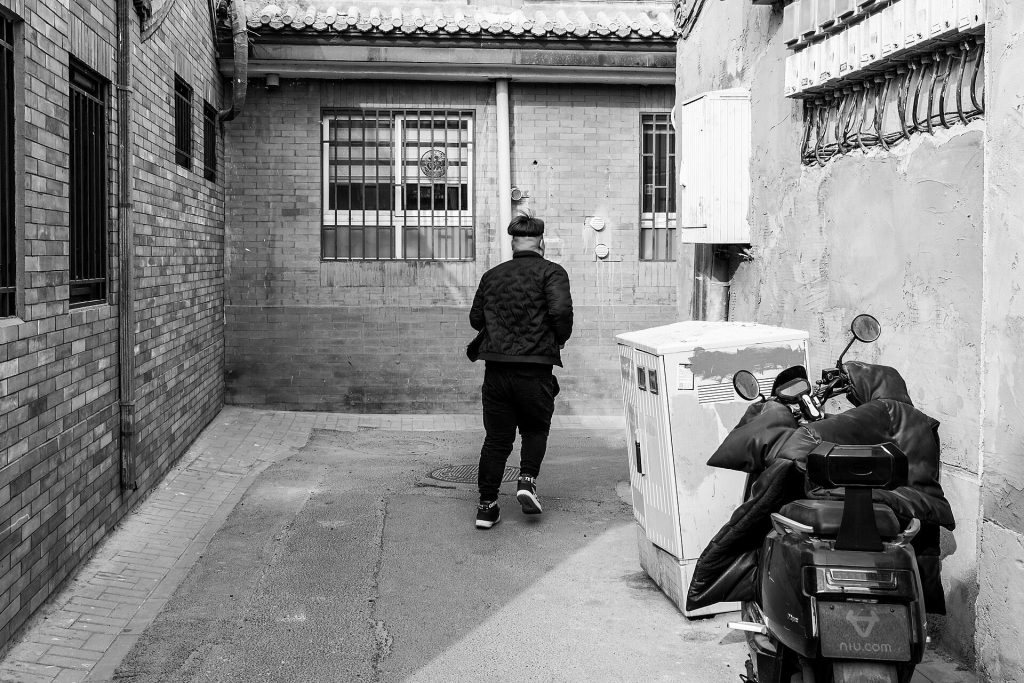
The transition in northern China does not announce itself with polite gradients. Autumn lingers with its golden ginkgo leaves, painting the capital in amber until a single midnight draft sweeps down from Siberia, clearing the sky into a sharp, brittle porcelain blue. By dawn, Beijing wears its first genuine frost. Stepping out into a narrow hutong alleyway off Dongcheng, the air hits the lungs like crushed ice. Every exhale instantly blooms into thick, white plumes of steam.
The grey tiled roofs, which only yesterday afternoon shimmered under a weak autumn sun, are now coated in a delicate, powdery rime of white crystals. Icicles begin to form along the eaves of traditional grey brick courtyards, catching the low-angled morning light. It is the official turning point of the year—the moment when light cotton jackets and denim are quietly retired to the back of the closet, replaced by heavy down coats, fleece-lined scarves, and thermal layers that locals wear as a second skin.
—
The Morning Rhythm of the Alleyways
In the quiet hours just before sunrise, the hutongs possess a timeless stillness, interrupted only by the scraping sound of thick bamboo brooms sweeping courtyard entryways and the low hum of electric scooters crunching over frosty pavement. Elderly residents bundle up in quilted jackets, pulling woolen hats low over their ears as they walk caged songbirds or practice slow, measured movements of tai chi in pocket-sized neighborhood squares, their breath pluming like dragon smoke in the freezing air.
Down at the corner, where the alley opens up near a small neighborhood vegetable market, the street food vendors are already battling the cold. A stainless steel cart billows white clouds of steam into the crisp morning air. The vendor works with practiced, rhythmic speed, spreading a ladle of golden batter across a hot iron griddle, cracking an egg over the top, and sprinkling fresh cilantro, scallions, and a crunchy crispy wonton skin (baocui) before folding it neatly. A bite of a fresh Shandong Jianbing Guozi for First-Timers provides an instant internal furnace, filling the hands with warmth and starting the day with savory comfort.
Nearby, large bamboo steamers hiss rhythmically, releasing fragrant plumes of white vapor that smell of fermented wheat, pork, and scallions. Steaming hot pork buns (baozi) and sweet sesame paste rolls are scooped out of the baskets and wrapped immediately in brown paper bags, serving as pocket warmers for hurried office workers and school children alike.
For travelers who have recently arrived in the capital taking advantage of expanded travel policies—perhaps navigating their itinerary under the China 30-Day Visa-Free Entry in 2026: Which Countries Qualify and the Rules—experiencing this sudden shift from autumn to pre-winter chill is a visceral introduction to northern seasonal life. It strips away the polished veneer of modern tourism, revealing a gritty, resilient, and deeply atmospheric side of the city that only wakes up when the mercury drops below zero.
—
Navigating the Frosty Streets and Digital Maps
As the sun climbs higher over the Forbidden City, casting long, geometric shadows across ancient plazas and frozen flagstones, it does little to thaw the shade trapped between narrow courtyard walls. Navigating the sprawling web of Beijing’s historic alleys and modern grand boulevards on such a brisk morning requires efficient planning to avoid spending too long exposed to the biting wind that funnels between high-rise corridors and tight hutong turns.
Local commuters keep their heads down, gloved hands tucked deep into pockets, eyes tracking routes on digital maps while dodging patches of black ice on shaded sidewalk corners. For visitors trying to trace the best alleyway shortcuts to the nearest subway station, keeping a reliable navigation app handy is essential; using a detailed tool like the How to Use Amap (Gaode Maps) in China as a Foreigner: 2026 English Guide helps pinpoint hidden pedestrian pathways, subterranean shopping passages, and cozy underground coffee shops where one can duck in to escape the wind, check directions, and thaw frozen fingers over a hot latte.
Practical Tips for Cold-Weather Navigation
* Battery Drain Management: Sub-zero morning temperatures drain smartphone batteries rapidly. Keep your phone in an inner coat pocket close to body heat when not actively navigating.
* Subway Entry Points: Hutong districts often feature stairwells that funnel downdrafts. Look for enclosed glass vestibules near station entrances designed to block the worst of the seasonal gusts.
* Footwear Traction: Grey flagstones and stone steps in old courtyards become slick under early morning rime. Opt for boots with deep rubber treads rather than smooth-soled fashion sneakers.
—
The Scent of Coal Smoke and Roasted Chestnuts
As pedestrian traffic picks up toward mid-morning, a distinct, comforting aroma cuts through the biting air: roasting sweet chestnuts. Vendors wheel out heavy, cast-iron drums filled with black river sand and raw chestnuts, tossing them continuously over glowing wood fires or gas burners. The sand acts as a natural heat conductor, caramelizing the natural sugars inside the nuts until the shells crack open just enough to release a rich, nutty sweetness that perfumes entire street corners. Locals stop on their way to work, buying a warm paper bagful of tangchao lizi to hold against their cold palms, peeling away the dark skins to reveal golden, buttery fruit.
Simultaneously, the subtle scent of old-school heating transitions drifts through the air. Though modern Beijing relies heavily on district heating and natural gas, the sudden drop in temperature prompts many older courtyards to fire up secondary heaters or coal-burning stoves in outbuildings. This specific blend of wood smoke, roasting chestnuts, and crisp morning frost creates an olfactory signature that is entirely unique to northern China in late autumn, invoking memories of winters past for generations of residents who grew up navigating these very same frost-kissed alleyways.
—
Embracing the Seasonal Shift
By late morning, the frost on the ground vanishes into damp patches, leaving behind a crisp, dry chill that lingers all day under a brilliant, cloudless sky. It is a weather pattern that stirs a distinct craving for warmth—the kind that calls for steaming bowls of hand-pulled beef noodles, sizzling street skewers, or gathering around a bubbling table of copper-pot mutton hot pot at a local institution.
As evening approaches and temperatures plummet back toward freezing, Beijing shifts seamlessly into its winter character, welcoming the long, cold months with warmth, resilience, and steaming food that turns every street corner into a welcoming beacon.
—
Frequently Asked Questions
When does the first frost typically happen in Beijing?
The first frost in Beijing usually arrives around late October or early November, marking the definitive end of autumn and the rapid descent into winter temperatures.
What should I wear during Beijing’s late autumn and early winter transition?
Layers are crucial. Temperatures can drop sharply as soon as the sun goes down or the wind picks up. A windproof down jacket, a warm scarf, gloves, and comfortable walking shoes are essential for exploring the outdoor hutongs.
How do locals cope with the sudden drop in temperature?
Aside from switching to heavy winter clothing, locals embrace seasonal comfort foods—ranging from hot street breakfasts like jianbing to hearty dinners—and begin transitioning into indoor heated spaces as municipal heating preparations gear up across the city.