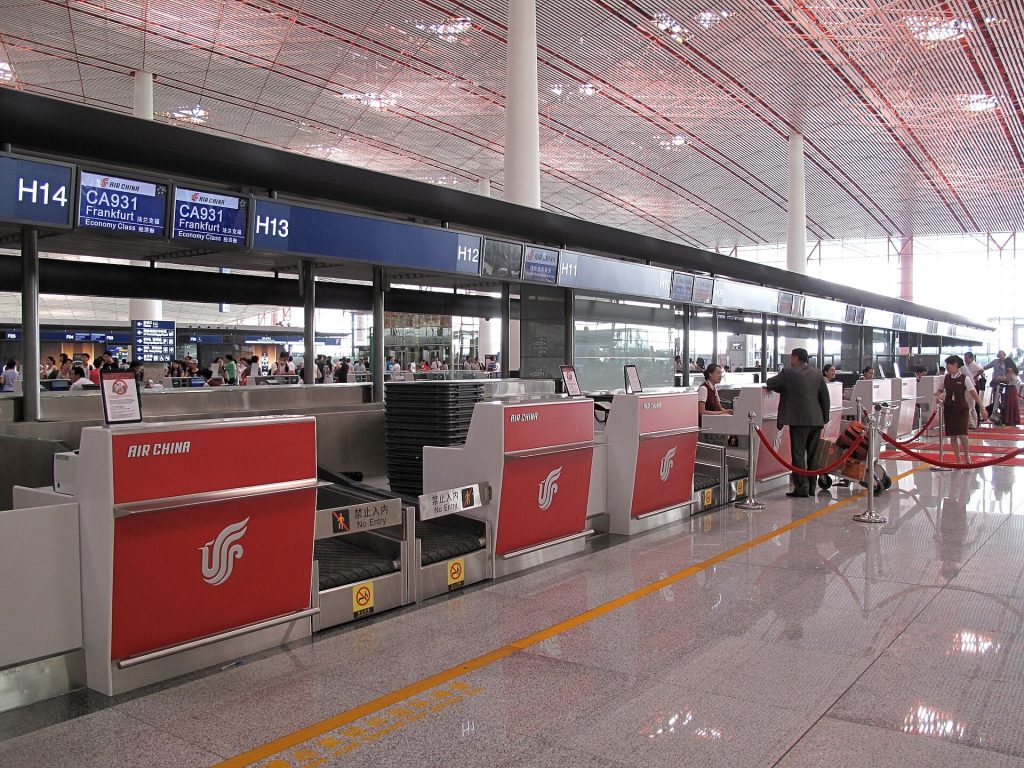
Landing in China for the first time can feel like stepping into the future. From ultra-modern mega-terminals at airports like Beijing Capital, Shanghai Pudong, or Guangzhou Baiyun to the immediate hum of automated efficiency, your initial transition through immigration and customs sets the tone for your entire trip. Whether you are entering under expanded visa-free policies or with a traditional visa, knowing exactly what to expect prevents unnecessary stress. This practical, step-by-step 2026 guide walks you through everything from touching down to reaching your hotel.
—
Step 1: Pre-Arrival Essentials (What to Have Printed & Offline)
Before your plane even touches the tarmac, make sure your digital and physical preparedness is ironclad. Relying solely on a live internet connection immediately after landing is a rookie mistake that can leave you stranded at the gate while trying to pull up QR codes or reservation confirmations.
* Printed Copies: Always keep a physical paper folder containing:
* Your return or onward flight itinerary.
* Hotel booking confirmations with the hotel’s name and address written in both English and Chinese characters (crucial for taxi drivers who may not read English scripts).
* A clear photocopy of your passport photo page and visa or visa-free entry documentation.
Offline Tools & Apps: Ensure your essential apps are downloaded, updated, and configured before* arrival. If you haven’t yet sorted your communication and payment lifelines, review The Ultimate Guide to Setting Up and Using WeChat as a Foreigner in China (2026 Edition) to link your international credit cards successfully. Furthermore, navigating Chinese transit becomes infinitely easier when you master local mapping tools—consult How to Use Amap (Gaode Maps) in China as a Foreigner: 2026 English Guide to set up your navigation before you leave the airport terminal.
* Connectivity Solutions: If you are using an eSIM, make sure it is installed and ready to activate upon landing, or verify your roaming data packages with your home provider. Keep in mind that standard Western apps (Google, Instagram, WhatsApp, Gmail) require a VPN unless your eSIM includes built-in roaming data breakout that bypasses the firewall. Having an active line immediately helps you coordinate transport and check reservation details on the fly.
—
Step 2: Disembarkation and Immigration Control
As you exit the aircraft, follow the crowds and the bilingual overhead signs (typically in Chinese and English) toward Arrivals / Immigration / Baggage Claim. Do not dawdle in the jet bridge; moving briskly helps you beat the main rush of passengers to the immigration hall.
1. Health Declaration & Arrival Cards: Keep an eye out for digital health declaration kiosks or QR code scanners if required, though routine health checks have largely streamlined across major hubs. If a paper arrival/departure card is needed, pick one up and fill it out using the writing desks provided before joining the long immigration queue. Have a pen handy to save time.
2. Choosing the Right Queue:
* Look for overhead signs indicating “Foreign Nationals” or “Visa-Free Entry.”
* If you qualify for short-term tourism or transit policies, check out China 30-Day Visa-Free Entry in 2026: Which Countries Qualify and the Rules to ensure you meet all criteria before heading to the appropriate lane.
* Have your passport and return ticket ready for inspection. Officers may ask basic questions about your travel itinerary, duration, and accommodation.
3. Biometrics and Facial Scanning: Immigration desks feature integrated automated digital scanners. Officers will take your fingerprints (usually four fingers of your left hand, four of your right, and both thumbs) followed by a quick facial photograph. Follow the visual prompts on the glass screen in front of you.
—
Step 3: Baggage Claim and Customs
Once you successfully clear immigration, descend or walk via escalators to the expansive baggage claim hall. Check the large overhead flight information monitors for your specific flight number to find your designated carousel.
* Wi-Fi Connection: While waiting for your bags to drop onto the belt, connect to the airport’s complimentary public Wi-Fi network. You may need to scan your passport at an automated airport kiosk or connect via a designated splash page to receive an SMS verification code or login credentials.
* Customs Declaration:
* If you have nothing to declare (standard for most travelers carrying personal electronics, clothes, and standard amounts of foreign currency), walk directly through the Green Channel (“Nothing to Declare”).
* Random baggage screening is common and handled efficiently. Place your carry-on luggage, backpacks, and checked bags through the X-ray scanners if directed by customs officers. Do not panic if flagged; it is a routine security check.
—
Step 4: Exiting to the Arrivals Hall & Payment Readiness
Walking through the final sliding glass doors brings you into the bustling, vibrant public arrivals hall. This is where sensory overload can peak, with crowds of greeters, drivers holding name signs, and airline staff. Before you rush outside into the elements, take a 5-minute pause:
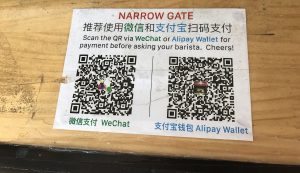
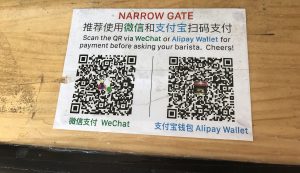
* Payment Check: Cash (RMB) is universally accepted by law, but digital payments dominate modern Chinese society. Ensure your WeChat Pay or Alipay wallet is loaded with a verified international credit card and that your six-digit payment PIN works properly.
* Convenience Stores & Quick Bites: If you need a quick bottle of water or a light snack after your long flight without navigating a full sit-down restaurant, check out China Convenience Store Food: What to Buy and How to Pay (2026) to see how simple it is to pay using your phone at local chains like Lawson, FamilyMart, or 7-Eleven. Later in your trip, when you are settled in the city, you can celebrate your arrival with a memorable meal by following Haidilao Hot Pot in China: A First-Timer’s Guide for Foreigners.
—
Step 5: Getting to the City (Transport Options)
Chinese airports offer world-class connectivity to downtown areas. Choose the transit method that best matches your comfort level, budget, and luggage load:
1. Airport Metro / Express Train (Fastest & Most Reliable)
Major hubs like Shanghai (Maglev or Line 2), Beijing (Capital Airport Express), and Guangzhou feature direct rail links that bypass surface traffic entirely. Trains are clean, frequent, and heavily signposted.
* How to pay: You can purchase single-journey tokens or tickets at station ticket machines using cash or digital payment apps, or use local transport transit codes generated within WeChat or Alipay. If you are arriving in East China’s financial hub, read up on practical tips via Shanghai Metro For Foreign Visitors 2026.
2. Official Airport Taxis (Most Straightforward)
Follow the clear ceiling signs bearing the Taxi icon to the official taxi queue, which is usually located just outside the lower-level doors.
* Crucial Rule: Only take a taxi from the designated official queue overseen by airport staff. Ignore anyone whispering “Taxi? Taxi?” inside the terminal lobby, as these are unmetered scalpers or unlicensed drivers who will vastly overcharge you.
Communication: Hand the driver your hotel’s address written in Chinese characters. Always ensure the meter is turned on (dǎbiǎo*) before the vehicle pulls away.
3. Ride-Hailing Apps (DiDi)
If you have Alipay or WeChat set up with your foreign card, you can use the built-in DiDi ride-hailing mini-program (which features an English interface option).
* Most major airports have designated App-Based Ride Pick-up Zones located a short walk from the main terminal exits. Follow the signs for “Online Car Booking” or “网约车” (Wangyueche) to find the correct waiting platform.
4. Official Airport Buses
If your hotel is located near a major transit hub, traditional downtown landmark, or secondary city center, official shuttle buses offer a cost-effective, comfortable seated journey with ample luggage storage underneath. Tickets are sold at dedicated counters right inside the arrivals hall.
—
Step 6: Heading to Your Hotel and Registration
Once you arrive at your accommodation, check-in is straightforward, but keep one critical legal requirement in mind: foreign visitors in China are legally required to register their accommodation address with local authorities. Most modern hotels handle this automatically during passport scanning at the front desk. To understand what documents are requested, how long registration takes, and how it impacts your stay, review Hotel Registration for Foreigners in China 2026: What Happens at Check-In.
Settle into your room, unpack, double-check your connectivity, and step out to experience everything China has to offer!
—
Frequently Asked Questions (FAQ)
Do I need physical Chinese Yuan (RMB) when I land?
While nearly everything in China can be paid for digitally via WeChat Pay or Alipay, it is still wise to carry a small amount of physical cash (around 300 to 500 RMB) obtained from an airport ATM as an emergency backup in case your phone battery dies or a card encounters a glitch.
Will my foreign credit card work in airport taxis?
Most standard airport taxis do not accept foreign credit cards directly. They accept cash or domestic mobile payments (WeChat Pay / Alipay). Using the official taxi queue or booking a ride via DiDi through your app ensures a smooth, cashless transaction.
How long does it typically take to exit the airport after landing?
Depending on your flight arrival time and the queue size at immigration, the entire process—from stepping off the plane, clearing customs, retrieving your baggage, and walking out to transport—usually takes between 45 to 90 minutes.