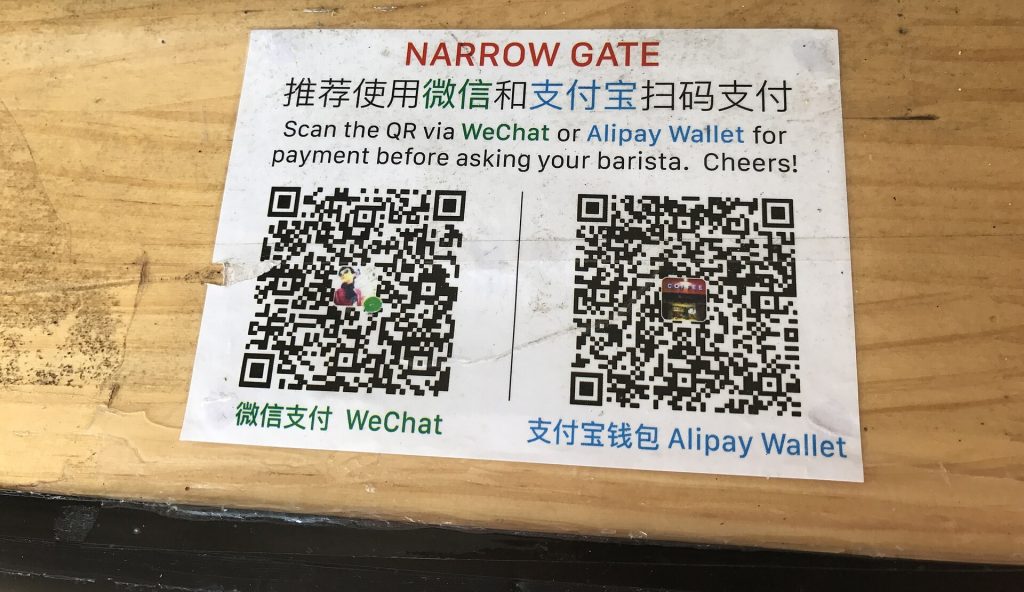
When planning a trip to mainland China, mastering mobile payments is essential. While cash and physical credit cards are accepted in limited settings, the country runs almost entirely on QR-code ecosystems. While international travelers frequently rely on binding foreign Visa, Mastercard, or American Express cards directly to Alipay and WeChat Pay, another player enters the mix: UnionPay (China’s dominant domestic card network). Through the UnionPay App and specific cross-border integration features, foreign cards can occasionally interact with Cloud QuickPass and UnionPay QR flows. However, understanding the boundaries of this system saves significant friction at checkout counters.
—
How UnionPay QR and Cloud QuickPass Work for Foreign Cards
UnionPay’s official mobile framework—often referred to through its app or Cloud QuickPass ecosystem—allows users to digitize bank cards for scan-to-pay functionality.
* Locally Issued UnionPay Cards: For travelers who hold UnionPay-branded debit or credit cards issued outside mainland China (over 250 million such cards exist across dozens of countries), these can often be bound directly to the official UnionPay App to scan merchant QR codes or use NFC tap-to-pay.
* Foreign-Issued Non-UnionPay Cards (Visa/Mastercard): Direct binding of standard Western Visa or Mastercard credit cards into the native UnionPay App for domestic mainland QR scanning can be inconsistent or restricted depending on the issuing bank and regional app versions. Instead, major super-apps bridge this gap. For a comprehensive walkthrough of setting up mainstream foreign cards for everyday travel, check out the Alipay and WeChat Pay for Foreign Visitors in China 2026 guide.
—
Step-by-Step Setup: Linking Cards and Verifying Compatibility
Successfully navigating UnionPay infrastructure as an international visitor requires careful pre-trip preparation. Because backend security protocols between domestic Chinese banking networks and overseas institutions vary, setting up your payment methods before you board your flight prevents frustrating verification blocks at the point of sale.
1. Preparing Your International Cards
Before attempting to bind any card to a digital wallet or payment application, ensure that your issuing bank allows international transactions in mainland China. Some banks automatically flag transactions originating from China as potential fraud unless a travel notice has been submitted.
* Contact your bank or use their mobile app to log a travel notification covering your exact dates in China.
* Confirm whether your card supports 3D Secure (3DS) authentication, as SMS or email verification codes are frequently required during the digital binding process.
2. Installing and Configuring the Official UnionPay App
If you hold an overseas-issued UnionPay card, you can download the official UnionPay App (often available in international app stores under regional branding).
* Registration: Sign up using an international mobile number that can receive SMS verification codes.
* Adding Cards: Navigate to the wallet section, select “Add Card,” and input your UnionPay card details. If your card is supported, you will go through a multi-factor authentication step with your home bank.
* Testing Limits: Note that cross-border transactions processed through digital wallets may carry daily or monthly caps imposed by either UnionPay International or your home bank. Review these limits beforehand to avoid declined transactions on larger purchases, such as hotel stays or high-end retail.
—
Comparing Payment Options: UnionPay App vs. Alipay vs. WeChat Pay
To choose the right digital wallet strategy for your trip, it helps to understand how different platforms handle foreign cards, currency conversion, and merchant acceptance across mainland China.
| Feature / Platform | Official UnionPay App | Alipay (Foreign Card Linked) | WeChat Pay (Foreign Card Linked) |
| :— | :— | :— | :— |
| Primary Requirement | Overseas-issued UnionPay card | International Visa, MC, or Amex | International Visa, MC, or Amex |
| Merchant QR Scanning | High compatibility for UnionPay cards; restricted for others | Universal merchant coverage | Universal merchant coverage |
| In-App Mini-Programs | Limited outside core payment flows | Extensive (rides, transit, food delivery) | Extensive (social, mini-programs, ticketing) |
| Setup Complexity | Moderate (requires compatible card brand) | Low (quick app install & card scan) | Low (quick app install & card scan) |
—
The Intersection: UnionPay, Alipay, and WeChat Pay
Rather than using the standalone UnionPay App, many international visitors experience UnionPay infrastructure indirectly via Alipay and WeChat Pay:
1. The Network Partnership: UnionPay International collaborates with platforms like Alipay and WeChat Pay to process various domestic transactions behind the scenes.
2. Prepaid and Partner Options: Certain regional banking products (such as specific overseas UnionPay prepaid cards) can be linked directly into WeChat Pay or Alipay wallets to streamline spending in mainland China while reducing standard foreign transaction fees over designated thresholds.
3. Merchant Scanning: When you scan a merchant’s QR code using Alipay or WeChat Pay with a linked foreign card, the transaction routes through secure clearing channels that frequently interface with domestic Chinese banking rails.
—
Where Travellers Still Need Alipay or WeChat Pay
Even if you successfully configure a UnionPay-backed payment method, relying solely on the native UnionPay ecosystem can leave gaps in daily travel logistics. You will still heavily rely on Alipay or WeChat Pay for:
* Mini-Programs & Ride-Hailing: Ordering a Didi taxi, renting shared bicycles, or booking tickets inside mini-programs often integrates most seamlessly with native Alipay or WeChat workflows.
* In-App Transport & Ticketing: Navigating high-speed rail ticketing or local metro apps ties smoothly into the major super-apps. For tips on managing rail transit, review how to Refund or Change a China Train Ticket on 12306 (2026 Rules).
* Local Services: Ordering food delivery or paying at automated convenience store kiosks is built natively around the Alipay/WeChat user experience.
> Pro Tip: Before touching down, make sure your mobile setup is fully functional alongside reliable data connectivity. Review the China SIM and eSIM for Foreign Visitors in 2026 guide to ensure you stay connected upon arrival.
—
The Ultimate Backup: ATMs and Cash
Mobile payments fail on rare occasions—phones run out of battery, network signals drop, or foreign card authorizations hit unexpected issuer blocks. Always maintain a reliable safety net:
* Cash (RMB): Legally, most mainland merchants are required to accept cash, though change-making for large denomination notes (like ¥100 bills) can sometimes annoy small vendors. Keep a few smaller notes handy.
* ATM Access: Major international cards (Visa, Plus, Mastercard, Cirrus, and UnionPay) can withdraw Chinese Yuan directly from ATMs belonging to major banks like the Bank of China, ICBC, or China Construction Bank. Look for machines displaying your card network’s logo.
Always check with your specific card issuer and UnionPay International’s official portal before departure to verify whether your exact card tier supports overseas mobile binding.
—
Frequently Asked Questions (FAQ)
Can I use a regular Visa or Mastercard directly in the UnionPay App?
Directly binding non-UnionPay foreign cards (like standard Western Visa or Mastercard credit cards) to the native UnionPay App for domestic mainland QR code scanning is generally restricted or unreliable. For seamless foreign card usage, binding your Visa or Mastercard directly into Alipay or WeChat Pay is the recommended approach.
Do I need a Chinese bank account to use UnionPay QR features?
No. International visitors holding foreign-issued UnionPay cards can use the official UnionPay App where supported, and major international cards can be linked to Alipay and WeChat Pay without establishing a mainland Chinese bank account.
What should I do if my foreign card transaction is declined at checkout?
First, check whether your bank flagged the transaction for fraud; replying to an automated SMS or email confirmation from your bank usually resolves this instantly. If the issue persists, switch to your backup payment method, such as an alternative card linked in Alipay/WeChat Pay, or use cash withdrawn from a local ATM.