Why Mobile Pay Matters in China
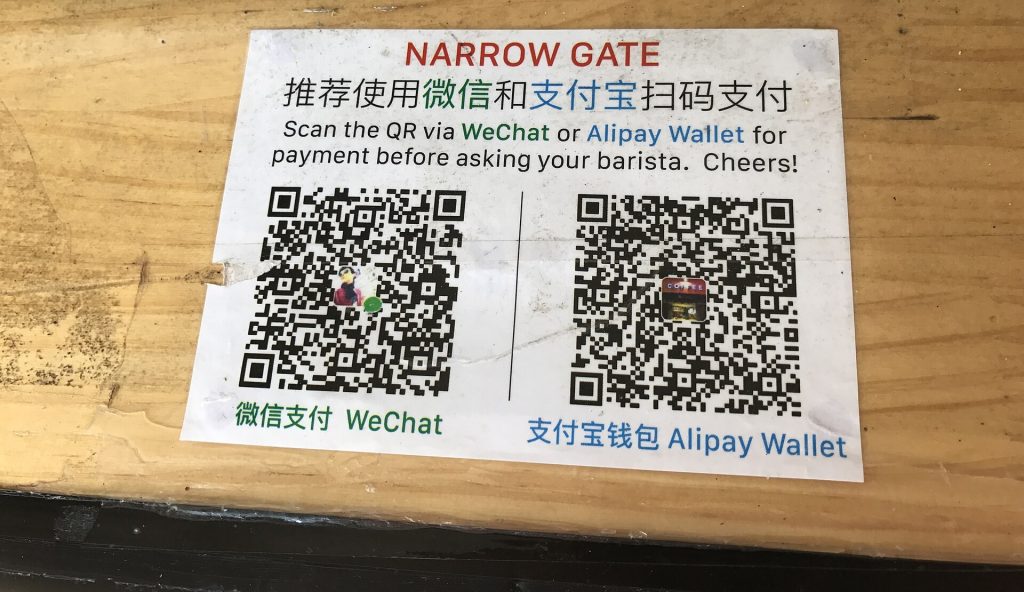
In 2026, China operates as a nearly cashless society. While physical currency is legally required to be accepted, the practical reality of daily life revolves almost entirely around mobile payment applications. From purchasing a bottle of water at a corner convenience store to paying for high-speed rail tickets, QR code payments are the default infrastructure.
For international visitors, adapting to this ecosystem is no longer just a convenience; it is a necessity for a smooth travel experience. Attempting to navigate modern China relying solely on foreign credit cards or large cash bills often leads to friction. Vendors may not carry adequate change for cash transactions, and international credit card terminals are largely confined to major international hotels and high-end restaurants. Understanding and setting up the two dominant platforms, Alipay and WeChat Pay, ensures you can interact with the local economy exactly as residents do. Furthermore, understanding social norms, such as the general absence of a tipping culture in China, becomes much easier when you simply scan to pay the exact billed amount without worrying about leaving cash on the table.
Alipay Setup for Foreigners
Alipay remains one of the most accessible mobile payment gateways for short-term visitors. The platform has significantly streamlined its onboarding process for international users.
To begin, download the international version of the Alipay app from your device’s official app store. Registration requires a valid mobile number; you can use your home country’s number, though ensuring you can receive international SMS codes is critical for initial setup. Once your account is created, navigate to the “Me” section to add a bank card.
Alipay allows the binding of major international credit and debit cards, including Visa, Mastercard, Discover, and Diners Club. When adding your card, you will be prompted to enter your card details and complete a verification process. It is highly recommended to inform your home bank of your travel dates before linking the card, as international anti-fraud systems frequently flag the initial Alipay authorization attempt. If you encounter issues, the Alipay in-app customer service center provides English-language support to help resolve binding errors.
WeChat Pay Setup for Foreigners
WeChat is fundamentally a messaging application that integrates a massive ecosystem of mini-programs, including its proprietary payment system, WeChat Pay. Setting up WeChat Pay can sometimes involve a steeper learning curve compared to Alipay, but its ubiquity makes it indispensable.
First, you must install WeChat and register an account. For a deep dive into account creation and avoiding common blocking issues, see our dedicated guide on WeChat setup for foreigners.
Once your messaging account is active, access the “Services” or “Me” tab to find the “Services” menu, then tap “Wallet” and “Cards.” Similar to Alipay, you can link international credit cards (Visa, Mastercard, JCB, etc.). WeChat Pay will require identity verification, usually involving uploading a scan of your passport. Follow the prompts precisely, ensuring your name matches your passport exactly as printed. Verification times can vary, so initiating this process well before your flight to China is highly advised.
Tourist Binding, Limits, and Verification
Both Alipay and WeChat Pay have implemented standardized systems for international users binding foreign cards, moving away from older, clunkier “Tour Pass” top-up models to direct card-linking.
However, regulatory requirements mean transaction limits and identity verification tiers exist. Unverified accounts or basic tier accounts face strict single-transaction and cumulative annual limits. To increase these caps, users must complete real-name authentication by submitting passport information and sometimes completing a facial recognition scan within the apps.
Even with fully verified accounts linking foreign cards, single transactions over a certain threshold may incur a transaction fee levied by the payment platform, in addition to whatever foreign transaction fees your home bank might charge. It is essential to monitor your spending within the apps to understand your current limits. If your payment is declined due to limits or security holds, contact the respective official in-app help channels rather than attempting to brute-force the transaction, which can result in a temporary account freeze.
When QR Fails: Cards, Cash, and UnionPay
No technology is flawless, and there will be moments when your linked foreign card on Alipay or WeChat Pay declines due to network drops, bank fraud alerts, or platform anomalies. Having a layered backup plan is crucial.
First, physical international credit cards are still accepted at major international chain hotels, luxury boutiques, and large transportation hubs. Second, utilizing the domestic network through UnionPay QR pay with foreign cards provides an alternative mobile infrastructure that sometimes succeeds where others fail.
Third, carrying some local currency is your ultimate fail-safe. While vendors prefer digital payments, cash is legal tender. Before arriving, or immediately upon landing, you should familiarize yourself with accessing cash at Chinese ATMs with foreign cards. Keep smaller denominations on hand, as breaking large notes at small vendors can be challenging.
Common Scenarios: Airport, Hotel, and Metro
Understanding how mobile payments function in typical traveler scenarios reduces stress upon arrival.
At the Airport: You can use Alipay or WeChat Pay to purchase SIM cards, snacks, and express train tickets immediately upon landing. If you plan to leave the airport via a ride-hailing service, you can book and pay directly through mini-programs. For details on navigating this, read our guide on using DiDi for foreigners.
At the Hotel: Most hotels catering to foreigners will gladly accept a physical swipe of an international credit card for the room deposit and final bill. However, paying for room service, the lobby cafe, or nearby convenience stores will heavily rely on your mobile apps.
On the Metro: Both Alipay and WeChat Pay feature “Transport” sections. You can generate a city-specific transit QR code that you scan at the subway turnstiles. The fare is automatically deducted from your linked foreign card. Be aware that you usually need to generate a new transit code for each new city you visit.
Day-Zero Checklist
- To ensure you are fully prepared before touching down in mainland China, complete this checklist:
- Download Apps: Install both Alipay and WeChat well in advance.
- Register and Verify: Create your accounts and submit your passport for real-name authentication.
- Link Cards: Add at least two different foreign credit or debit cards to both platforms.
- Notify Banks: Inform your home banks that you are traveling to China and will be using mobile payment gateways.
- Secure Connectivity: Ensure you have a roaming data plan or an eSIM ready to deploy upon landing; mobile payments require an active internet connection.
- Bookmark Resources: Save our comprehensive index of traveler tools for quick reference during your trip.
Related guides and tools
Use this hub with our deeper how-tos: WeChat setup for foreigners, UnionPay QR with foreign cards, ATM cash backup, Didi ride-hailing, and notes on tipping culture in China. For trip planning helpers, see the free Lovely China tools page.
FAQ
Can I transfer money to friends using a foreign linked card?
Generally, foreign credit cards linked to Alipay and WeChat Pay are restricted to commercial transactions (paying merchants). Peer-to-peer transfers or sending “Red Packets” (Hongbao) typically require a mainland Chinese bank account or a balance in the app’s native wallet, which cannot be topped up directly from a foreign credit card.
What happens if my phone dies?
If your device loses power, you lose your ability to pay via QR code. Always carry a portable power bank, which are ubiquitous in China, and keep a small emergency stash of physical cash (RMB) in your wallet.
Why did my transaction fail even though my card works at home?
The most common reason for a failed transaction is your home bank’s automated fraud detection system blocking a suspicious charge from halfway across the world. You must contact your bank to clear the flag. Alternatively, you may have hit the platform’s single-transaction limit for foreign cards.
Is my financial data safe on these apps?
Alipay and WeChat Pay use standard encryption protocols to protect card data. Your full foreign credit card number is tokenized and not shared directly with the local merchants. However, users should always ensure they are scanning legitimate merchant codes and utilize the security features within the apps, such as PINs or biometric locks.