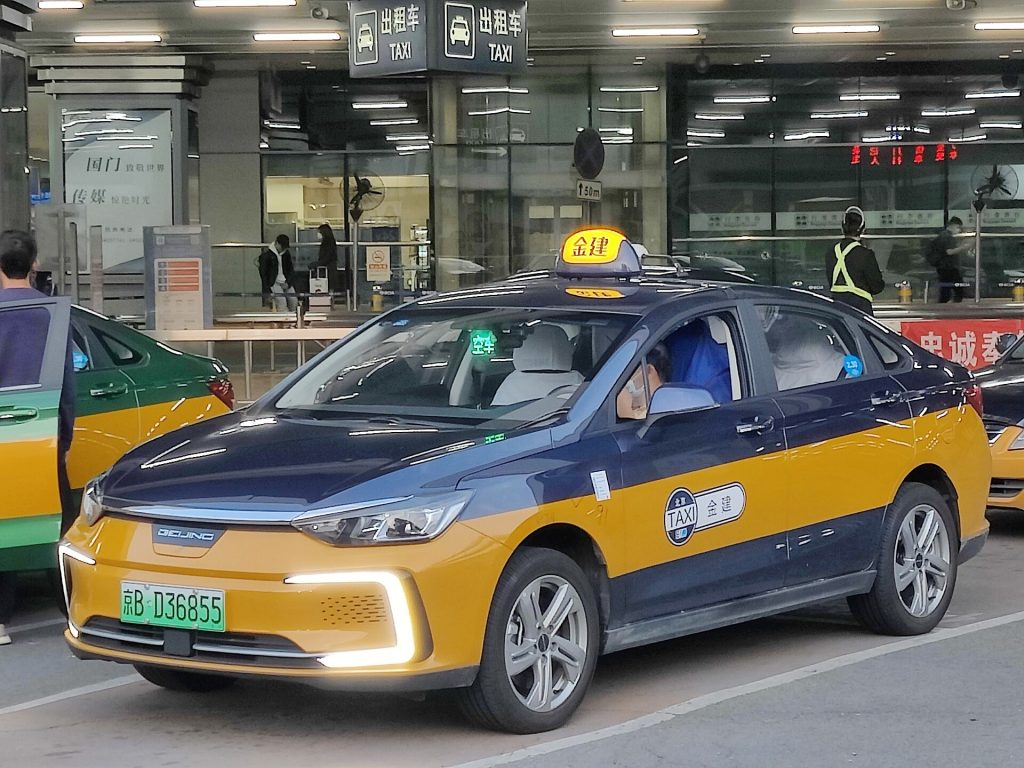
Navigating China’s bustling megacities is nearly impossible without reliable transportation, and DiDi is the ultimate go-to ride-hailing app for getting around. Often referred to as “China’s Uber,” DiDi handles everything from standard private cars and budget options to metered street taxis and comfortable airport transfers. For foreign visitors, getting started is straightforward once you know the correct workflow. You can use DiDi without a local Chinese bank account, and you don’t even strictly need to buy a local Chinese SIM card before arrival. Here is everything we recommend to set up, pay for, and ride with DiDi seamlessly across China.
—
Direct Answer: Can Foreigners Use DiDi in China?
Yes, foreign travelers can easily use DiDi in mainland China. You have two main pathways: downloading the standalone DiDi-Greater China app (which features a built-in English interface) or using the DiDi Mini Program directly inside Alipay or WeChat. You can register using an overseas mobile phone number (capable of receiving SMS verification codes) and link an international credit or debit card (such as Visa, Mastercard, or JCB) or pay through your verified Alipay or WeChat Pay wallet.
—
Choosing Your Setup: App vs. Mini Programs
Before you fly, we recommend configuring your ride-hailing options to avoid scrambling for an internet connection or struggling with verification codes at the airport.
The Standalone DiDi App (DiDi-Greater China): Search your app store for DiDi-Greater China*. It provides a dedicated English interface, handles foreign phone numbers smoothly, and lets you input international credit cards directly into your wallet.
* The Alipay or WeChat Mini Programs: If you already plan to use Alipay and WeChat Pay for foreign visitors, you can access DiDi right inside those apps. Simply open Alipay or WeChat, search for “DiDi” or look under transport services. This route is seamless because it utilizes the payment methods you have already verified.
For a smoother digital journey overall, check out our broader overview of China travel apps for foreigners 2026.
—
Actionable Setup, Booking, and Riding Tips
1. Register and Test Before Departure
Download your app or set up your mini program while you are still at home with a stable network connection. Enter your home country code and mobile number to ensure the SMS verification code comes through. If you plan to use a local data plan, you can also review options via China SIM and eSIM for foreign visitors 2026. Doing this before departure ensures you aren’t locked out due to poor cellular reception or overseas carrier routing issues upon landing.
2. Set Up Payment and Enable Password-Free Checkout
Link an international credit card (Visa, Mastercard, or JCB) or ensure your Alipay/WeChat wallet is fully active. We strongly recommend enabling password-free automatic payment inside the app settings. This allows the fare to be deducted automatically at the end of the trip, meaning you can simply hop out of the car and walk away without waiting to process a manual transaction. Furthermore, having a backup payment method—such as linking both a Visa card and an Alipay wallet—protects you against sudden automated fraud checks or security blocks from your home bank.
3. Mastering Airport and Train Station Pickups
Major transit hubs can be chaotic. When arriving at a major airport, do not just walk outside blindly. Follow the terminal signs pointing toward Ride-Hailing / 网约车 (Wangyueche) or designated pickup zones. Airports and high-speed rail stations usually have specific numerical pillars or staging areas where drivers are permitted to load passengers. Match your app’s pin location to these physical signs. For more arrival tips, read our guide on Airport arrival in China for foreigners 2026.
4. Overcoming the Language Barrier
Most DiDi drivers in China do not speak English. Fortunately, the app bridges this gap digitally:
* Automatic Translation: DiDi features built-in bilingual Chinese-English in-app messaging. Keep messages short and clear (e.g., “I am standing near Pillar 3” or “I am at the hotel entrance”).
* The Last 4 Digits Trick: When your car arrives, the driver will frequently ask for the last 4 digits of your phone number to verify your identity. Because your phone number may use an international country code that confuses local drivers, take a quick screenshot of the last 4 digits of your registered phone number on your screen and show it to the driver as you open the door.
—
Deep Dive: Understanding DiDi Vehicle Tiers
When you open DiDi to request a ride, you will be presented with several different vehicle tiers. Knowing what each option entails helps you balance comfort, cost, and availability:
1. DiDi Express (快车 – Kuàichē): The most popular and economical option. These are standard private cars driven by everyday motorists. They are widely available, highly affordable, and perfect for everyday city transit.
2. DiDi Premier (专车 – Zhuānchē): A higher-end service featuring professional drivers, newer and cleaner vehicles (often premium sedans or electric SUVs), bottled water, and a higher level of customer service. It costs more than Express but offers exceptional comfort.
3. Taxi (出租车 – Chūzūchē): This option hails a traditional, metered municipal taxi through the DiDi platform. The fare is calculated based on the city’s official taxi meter and route, and payment is processed digitally via the app rather than cash.
4. DiDi Luxe (豪华车 – Háohuáchē): The ultra-luxury tier featuring high-end luxury vehicles (such as Audi, BMW, or Mercedes-Benz) and professionally trained chauffeurs wearing suits. Ideal for business travel or special occasions.
5. DiDi 6-Seater / XL: If you are traveling with family, a group of friends, or heavy luggage, you can request larger multi-person vehicles or vans to ensure everyone fits comfortably.
—
Troubleshooting Common Payment & Account Issues
While DiDi is designed to be foreigner-friendly, technical hiccups can occasionally occur. Here is how to resolve them quickly:
* SMS Verification Failure: If your foreign carrier fails to deliver the verification code, try toggling roaming data off and on, or connect to a reliable hotel Wi-Fi network. If problems persist, consider switching to the Alipay or WeChat mini-program version of DiDi, which leverages your existing digital wallet verification rather than sending SMS codes.
* International Card Rejection: Some overseas banks flag transactions originating in mainland China as potential fraud. If your Visa or Mastercard is declined when linking it to DiDi, call your bank’s customer support line ahead of travel to authorize international e-commerce transactions in China, or route your payments through Alipay or WeChat Pay instead.
* GPS Pin Mismatch: Dense urban environments with towering skyscrapers can sometimes cause smartphone GPS signals to bounce or drift. If your pickup pin is placing you across a multi-lane highway or inside a building, manually drag and drop the pin to a precise street corner or recognizable landmark before confirming the request.
—
Frequently Asked Questions
Do I need a local Chinese phone number to use DiDi?
No. You can register for DiDi-Greater China or use the Alipay/WeChat mini programs using a foreign mobile number, provided your phone can receive SMS verification messages while roaming or connected to Wi-Fi.
Can I link a foreign credit card?
Yes. Major international cards like Visa, Mastercard, and JCB are widely supported both in the standalone DiDi app and through linked digital wallets like Alipay and WeChat Pay. Keep in mind that occasional bank security blocks can happen, which is why having Alipay or WeChat Pay configured as a backup payment route is always smart.
Is DiDi cheaper than regular street taxis?
In most cases, yes. DiDi offers upfront digital pricing, which protects you from meter manipulation or circuitous routes. Traditional street-hailing taxis are still available, but they rely on meters and cash (or domestic mobile payments), whereas DiDi standardizes the entire transaction digitally.
What should I do if my driver cannot find me?
Check your map pin and make sure you aren’t standing in a zone where cars are legally barred from stopping. Use the in-app chat translation tool to send a brief description of your surroundings (such as a nearby convenience store sign or landmark). If necessary, cancel and rebook—though cancellation fees may apply if the driver has already arrived and waited past the grace period.
Is DiDi safe to use at night?
Yes. DiDi incorporates robust safety protocols, including real-time GPS trip tracking, driver background verification, and an in-app Safety / SOS button that lets you share your live trip details with trusted contacts or connect with emergency assistance.
—
<!–
title: Using Didi in China as a Foreigner 2026: Setup, Payment and Safety Tips
slug: china-didi-ride-hailing-foreigners-2026
category: People
focus: Didi ride-hailing foreigners 2026
meta: Use Didi in China as a foreigner in 2026: app setup, phone number and payment options, English interface tips, airport pickups, and safety basics.
cover_alt: Yellow city taxi on a street in China
cover_credit: Photo: Anonymousfox36 / Wikimedia Commons (CC BY-SA 4.0)
–>
<FollowUp label=”Want to know how to set up Alipay and WeChat Pay for your trip to China?” query=”How do I set up Alipay and WeChat Pay with a foreign credit card for travel in China?”/>