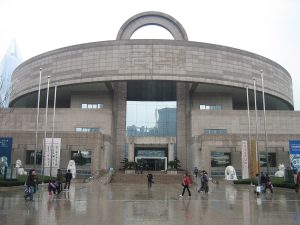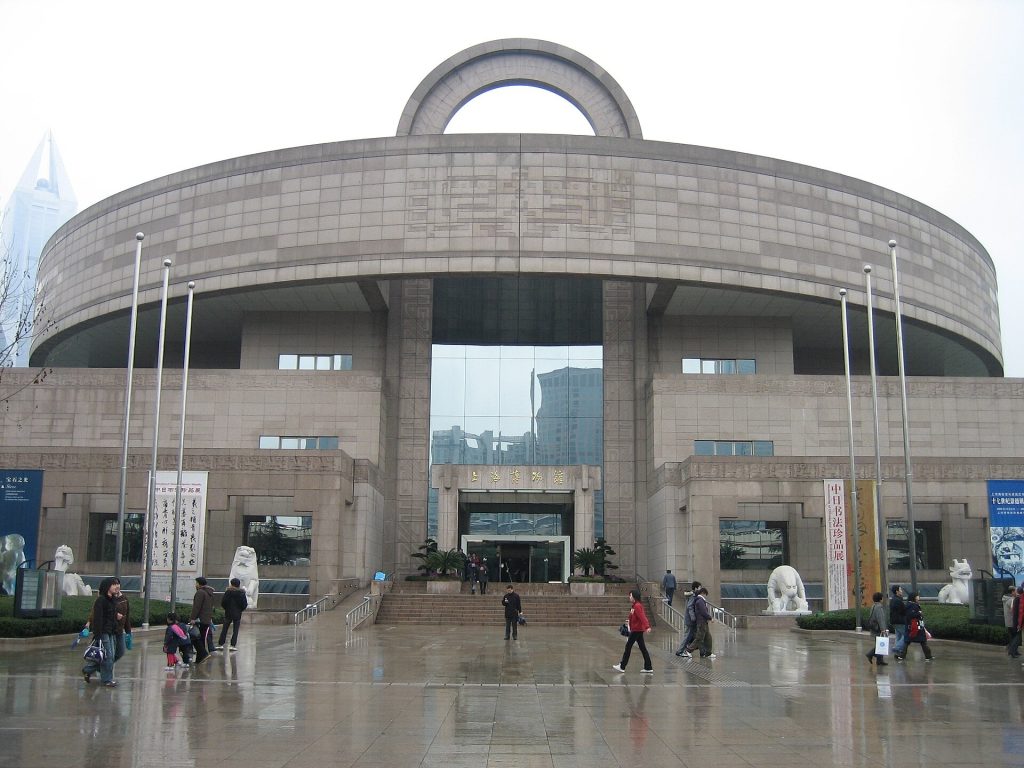
Traveling through China and exploring its world-class museums—from the monumental Shaanxi History Museum in Xi’an to the vast treasures of the Palace Museum in Beijing—is a highlight of any trip. However, if you are planning to capture your journey through a lens, navigating local museum etiquette can feel intimidating, especially when language barriers come into play.
The direct answer: As a general rule across major Chinese museums, handheld photography without a flash or tripod is permitted in permanent exhibition halls, while flashes, tripods, selfie sticks, and commercial gear are strictly prohibited. Special exhibitions, high-security galleries (like treasury rooms), and certain cultural relics may ban photography altogether. Always look for universal pictograms at gallery entrances to confirm the current policy.
To help you shoot responsibly and smoothly, we have put together this comprehensive, practical guide tailored for foreign visitors navigating museum photography rules in China.
—
<h2>The General Baseline: What Is Usually Allowed?</h2>
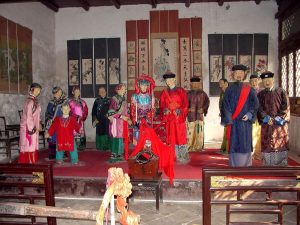
China’s cultural institutions have modernized significantly over recent years. In most public museums, national galleries, and historical sites, management understands that visitors want to capture memories.
When you enter a standard exhibition hall, you can typically expect the following baseline norms:
* Smartphones and Compact Cameras: Widely accepted for personal, non-commercial use.
* Handheld Shooting: You are free to take quick snapshots of artifacts, provided you do not block walkways or other visitors.
* Lighting Restrictions: Ambient lighting is the standard. Flash photography is almost universally forbidden because cumulative UV and bright xenon light degrade ancient silk, paper manuscripts, lacquerware, and polychrome terracotta artifacts.
Before your trip, we recommend getting your digital tools and connectivity sorted out so you can easily check digital translations or official apps on the go. Having a reliable data connection is essential; check our guide on China SIM and eSIM for foreign visitors 2026 to stay online seamlessly. Furthermore, because many museums require pre-booked digital tickets through WeChat mini-programs or apps, reviewing China museum ticket reservations 2026 will ensure you get through the security gates without a hitch.
—
<h2>The Hard Boundaries: Flash, Tripods, and Gear Bans</h2>
While snapping a quick photo on your phone is usually fine, heavy photographic equipment faces strict enforcement across almost all Chinese museums. Security staff are vigilant, and breaking these rules will draw immediate intervention.
Why Flashes Damage Antiquities
Museum conservation teams operate under strict preservation guidelines. Light-sensitive items—such as ancient Chinese paintings, calligraphy scrolls, and painted pottery—suffer irreversible molecular damage from repeated flash exposure. Even if you think your phone’s LED flash is harmless, turning it on inside a gallery will likely prompt a nearby security guard to blow a whistle or wave their hands in warning.
Tripods, Monopods, and Gimbals
Large camera support gear is routinely banned in exhibition areas for two main reasons:
1. Crowd Safety: Tripod legs create tripping hazards in narrow, crowded gallery corridors.
2. Space Management: Setting up a tripod implies a prolonged stationary shoot, which blocks traffic flow around popular exhibits like the Terracotta Warriors or imperial jade carvings.
If you carry a professional mirrorless or DSLR camera body, keep it compact. Leave your travel tripod, heavy telephoto lenses, and motorized gimbals locked in the museum’s complimentary luggage storage lockers before passing through security check-points.
—
<h2>How to Read Museum Photography Signs Without Speaking Chinese</h2>
Even if you do not read or speak Mandarin, Chinese museums use clear, universally understood international iconography at gallery thresholds. Spotting these symbols saves you from awkward cultural misunderstandings or confiscated memory cards.
“`
+———————————–+———————————–+
| Icon Symbol | What It Means |
+———————————–+———————————–+
| Camera with a red slash | Photography is strictly PROHIBITED|
+———————————–+———————————–+
| Flash icon with a red slash | No Flash allowed (ambient ok) |
+———————————–+———————————–+
| Tripod crossed out | No tripods, monopods, or stands |
+———————————–+———————————–+
| Video camera crossed out | No video recording permitted |
+———————————–+———————————–+
“`
When in doubt, observe the behavior of local visitors around you. If everyone is keeping their phones tucked away or security guards are stationed closely beside a particular glass case housing a national treasure, it is best to keep your camera in your pocket.
—
<h2>Phone vs. Professional Camera Norms</h2>
Foreign travelers often wonder whether hauling a bulky DSLR rig draws unwanted attention compared to using a smartphone.
* The Smartphone Advantage: Smartphones blend into the crowd. Security staff rarely pay attention to visitors snapping quick vertical photos for social media or personal albums.
* The DSLR/Mirrorless Reality: Bringing a standard mirrorless camera with a modest prime or zoom lens is generally acceptable for personal use, provided you do not use professional lighting modifiers, reflectors, or large tripods.
* The Commercial Line: If your setup looks like a professional commercial shoot—such as featuring an external microphone boom, multiple lenses, or staged posing with models—security personnel will intervene immediately. Major museums require formal written approval and paid permits days in advance for professional filming or commercial photography.
For more cultural context on how to move respectfully through traditional spaces in China, take a look at our guides on Chinese garden etiquette for visitors and Chinese tea ceremony for visitors, which emphasize mindful observation over disruptive recording.
—
<h2>Actionable Tips for a Smooth Museum Photography Experience</h2>
1. Utilize Free Lockers: Most major museums in China (such as the Shanghai Museum or Capital Museum in Beijing) provide secure electronic or manual baggage lockers near the entrance. Drop off backpacks, tripods, and selfie sticks before entering the galleries.
2. Turn Off Sounds and Haptics: Silence your shutter click sounds and electronic notifications out of respect for the quiet, contemplative atmosphere of traditional art and antiquity halls.
3. Mind the Crowds: Avoid lingering indefinitely in front of prime exhibition pieces just to capture the perfect frame. Step aside to let other visitors enjoy the view.
4. Download Translation Tools: Keep an offline translation app handy so you can scan plaque descriptions or communicate with museum staff if questions arise. Before heading out, make sure your digital payment setup is fully operational by reviewing Alipay and WeChat Pay for foreign visitors, which are frequently required for booking audio guides or purchasing exhibition add-ons.
—
<h2>Frequently Asked Questions</h2>
Can I use a selfie stick inside Chinese museums?
No. Selfie sticks are almost universally banned in Chinese museums and heritage sites due to safety hazards, the risk of striking fragile display cases, and the potential to block crowds in tight exhibition spaces. Leave them in your hotel or storage lockers.
Are commercial photography permits available for foreign visitors?
Yes, but they require advanced coordination. If you are shooting for a documentary, publication, or commercial project, you must contact the museum’s administration office weeks in advance, submit official paperwork, and pay designated administrative fees. Standard tourist tickets do not cover commercial production.
What should I do if a security guard tells me to stop taking photos?
Always comply immediately and politely with a nod or a brief “Duibuqi” (sorry). Arguing with security personnel or attempting to continue shooting after a warning can lead to confiscation of equipment or being escorted out of the building.
Are video recordings subject to different rules than photos?
In many cases, yes. Even when static photography is permitted, moving video recording—especially with lighting attachments or stabilization rigs—may be restricted in special galleries or temporary loan exhibitions. Check the icon signs at the specific exhibit threshold.
Do rules change between permanent collections and special exhibitions?
Frequently. Permanent galleries usually maintain relaxed handheld photography policies, whereas special exhibitions featuring borrowed international artifacts or ultra-sensitive national treasures often enforce total photography bans to comply with lender insurance agreements.
<!–
title: Museum Photography Rules in China for Foreign Visitors
slug: china-museum-photography-rules-visitors
category: Culture
focus: China museum photography flash tripod rules visitors
meta: Museum photography rules in China for foreign visitors: when flash is banned, tripod policies, phone vs camera norms, and how to check signs without speaking Chinese.
cover_alt: Exhibition hall inside a major Chinese museum where photography rules apply
cover_credit: Photo: Wikimedia contributor / Wikimedia Commons (CC BY-SA 3.0)
–>
<FollowUp label=”Want me to share a checklist for booking tickets to top Chinese museums?” query=”Give me a step-by-step checklist for booking tickets to major Chinese museums as a foreign visitor.”/>