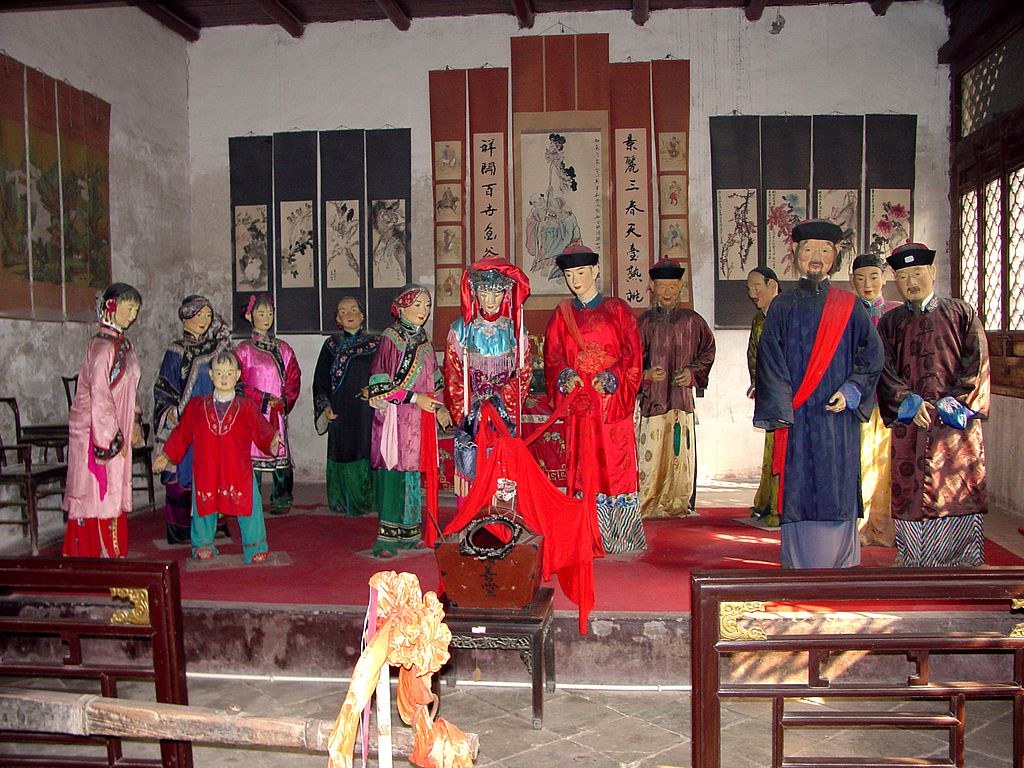
Attending a Chinese wedding as a foreign visitor is an extraordinary cultural privilege, filled with vibrant pageantry, incredible multi-course banquets, and heartfelt family traditions. However, if you have only ever attended Western ceremonies, walking into a modern Chinese wedding celebration can feel full of unwritten rules. From navigating the intricacies of gift-giving to decoding dress codes and mastering banquet etiquette, a little preparation goes a long way.
Below is our comprehensive, practical SEO guide designed to help English-speaking visitors feel completely at ease, respectful, and prepared for a Chinese wedding celebration.
—
Direct Answer: What to Expect as a Foreign Guest
When attending a Chinese wedding, your primary roles as a guest are to bring a red envelope (hongbao) containing monetary cash, dress respectfully while avoiding unlucky colors like solid white or black, and participate warmly in the banquet toasts and festivities. Unlike Western weddings where ceremonies and receptions are tightly scheduled back-to-back, Chinese weddings often feature a morning tea ceremony for close family, followed by a grand, high-energy midday or evening banquet at a hotel ballroom or restaurant where the couple greets tables of guests rather than exchanging vows at an altar.
—
The Golden Rules of Gift-Giving: The Red Envelope (Hongbao)
In Chinese culture, physical wedding gifts from a registry are rare. Instead, monetary gifts presented in a bright red envelope—known as a hongbao—are the universal standard. This practice supports the couple as they start their new life together.
How Much Should You Give?
While amounts vary based on your closeness to the couple and your financial comfort, there are important cultural conventions around numbers:
* The Rule of Evens: Always give an amount starting with an even digit (like 2, 6, or 8), as even numbers symbolize harmony and togetherness. The number 8 is particularly auspicious because it sounds like the word for wealth or prosperity.
* Avoid the Number 4: Never give an amount containing the digit 4 (such as 400 or 44), because the Chinese word for four sounds nearly identical to the word for death.
New, Crisp Bills: Whenever possible, use crisp, clean bills rather than crinkled or worn paper currency. Many visitors exchange currency at a local bank beforehand or use digital equivalents if giving a digital hongbao* via WeChat Pay. For broader context on managing local transactions before heading to celebrations, check our guide on Alipay and WeChat Pay for foreign visitors.
When and How to Hand It Over
Typically, you hand your hongbao to the reception desk attendants stationed right outside the banquet hall entrance. They will record your name and the amount in a ledger so the couple knows who gave what (which dictates how much they will return as a gift when you marry, or how they balance future family obligations). Make sure your name is clearly written on the outside envelope along with a short congratulatory message. For deeper background on local customs, you can explore broader Chinese gift-giving etiquette.
—
Dress Code: What to Wear (and What to Avoid)
Choosing an outfit for a Chinese wedding requires striking a balance between festive celebration and cultural sensitivity.
What Colors to Avoid
* Solid White: In traditional Chinese culture, white is historically associated with mourning and funerals. A guest showing up in a head-to-toe white dress is considered deeply inappropriate.
* Solid Black: Similarly, black is associated with somber occasions and grief. While modern urban weddings are becoming more relaxed, it is still best to avoid wearing dark, heavy black attire.
Bright Red: Red is strictly reserved for the bride (and sometimes the groom or immediate family members). Wearing a bright red dress or suit as a guest can unintentionally upstage or clash with the bride’s traditional or modern red gown (qipao* or formal evening dress).
Recommended Options for Foreign Visitors
* For Men: A sharp business-casual blazer with dress trousers, or a well-fitted suit with a collared shirt. A tie is optional unless specified on the invitation as a black-tie event.
* For Women: Cocktail dresses, elegant jumpsuits, or modest skirts in cheerful, pleasant colors like navy, pastel pink, soft blue, green, or gold.
* Layer Up: Banquet halls and hotel ballrooms in China can swing dramatically between blasting air conditioning and warm, crowded room temperatures, so carrying a light jacket or wrap is a smart packing tip.
—
The Banquet Structure and Dining Etiquette
The centerpiece of a Chinese wedding is the grand banquet, which usually features anywhere from 8 to 12 courses served family-style on a large Lazy Susan rotating table.
The Flow of the Meal
Food arrives continuously and rapidly. Dishes often symbolize fertility, longevity, and marital harmony—such as whole fish (representing abundance), whole chicken, sweet lotus seed soup, and noodles (representing long life). Do not pace yourself based on the first plate; expect an abundance of food well past the point where you feel full.
Toasting Etiquette (Ganbei)
The bride and groom, accompanied by their parents and wedding party, will make rounds to every single table to toast the guests.
* Stand Up: When the couple reaches your table, stand up to receive them.
* Glass Positioning: When clinking glasses with the couple or older guests, hold your glass slightly lower than theirs as a sign of respect.
Alcohol vs. Tea: If you do not drink alcohol, it is entirely acceptable to fill your glass with water, juice, or tea for the toast (Ganbei* means “bottoms up,” but nobody will force you to consume alcohol if you prefer not to).
—
Actionable Packing, Booking, and Logistics Tips for Visitors
Attending a wedding as an international traveler involves practical logistical layers beyond just the ceremony itself:
1. Connectivity is Key: Ensure your phone is fully connected before traveling so you can coordinate ride-hailing apps (like Didi) to reach remote wedding venues or hotels. Review our tips on China SIM and eSIM for foreign visitors 2026 to stay online seamlessly.
2. Confirm the Schedule: Chinese wedding timelines can be flexible. “Guests arrive at 6:00 PM” often means mingling starts then, but speeches and formal eating may not begin until 6:30 PM or 7:00 PM. Arriving roughly 15–20 minutes after the stated start time is culturally normal, but check with your host contact if you are part of the inner circle.
3. Immerse in Local Culture: If you have extra days surrounding the wedding weekend, consider balancing the modern celebration with traditional experiences, such as visiting historic heritage sites or studying traditional arts (see our guide on Chinese calligraphy for visitors).
—
Frequently Asked Questions
Do I need to bring a wrapped physical gift?
No. Physical gifts are uncommon at Chinese weddings unless you have a deeply personal relationship with the couple. Monetary gifts in a red envelope (hongbao) are the expected and preferred standard.
What happens if I arrive late to the banquet?
Unlike rigid Western ceremonies where late arrivals disrupt the vows, Chinese wedding banquets are large, social, and bustling. If you arrive a little late, staff will easily guide you to your assigned table without causing a major disruption.
Is it okay to wear a tuxedo or evening gown?
Unless the invitation explicitly notes a strict black-dress code or formal Western style, overly formal ballgowns or tuxedos can sometimes make you look overdressed compared to other guests who favor smart-casual or festive cocktail attire. When in doubt, aim for smart-casual elegance.
Can I take photos during the wedding?
Yes, modern Chinese weddings are very photo-friendly, and guests are encouraged to snap pictures of the decor, food, and festivities. However, avoid blocking professional videographers or photographers during key moments like the entrance or table-to-table toasts.
Do I need to stay until the very end of the banquet?
<!–
title: Chinese Wedding Guest Etiquette for Foreign Visitors
slug: chinese-wedding-guest-etiquette-visitors
category: Culture
focus: Chinese wedding guest etiquette red envelope dress code visitors
meta: Invited to a Chinese wedding? Practical guest etiquette for foreign visitors: dress codes, red envelopes (hongbao), seating, toasts, and what not to wear or gift.
cover_alt: Red decorations and festive setting associated with a Chinese wedding
cover_credit: Photo: G41rn8 / Wikimedia Commons (CC BY-SA 4.0)
–>
Chinese banquets typically run for two to three hours through numerous courses. While staying until the final dessert course is polite, it is generally acceptable to slip away quietly after thanking the couple if you have urgent travel commitments.