Visiting the classical gardens of Suzhou and Hangzhou offers a peaceful portal into centuries of Chinese aesthetics, poetry, and philosophy. Yet, because these historic landscapes were originally private scholarly retreats rather than sprawling modern amusement parks, navigating them requires a distinct set of cultural manners.
<Image alt=”Traditional pavilion nestled among rockeries in a Suzhou classical garden” caption=”Classic rockery and pavilion design in a Suzhou garden” src=”image_agent_tag_3127874300347405517″/>
When visiting classical Chinese gardens, the golden rule is to embrace quiet contemplation, respect fragile historic architecture, and follow digital reservation customs closely. Because these sites feature narrow corridors, delicate wood carvings, and deep ponds, rushing or shouting disrupts both the atmospheric balance and the enjoyment of fellow visitors.
—
Actionable Booking, Packing, and Preparation Tips
Before setting foot on the winding cobblestone paths of the Humble Administrator’s Garden or strolling beside West Lake’s historic estates, a little logistical preparation ensures a smooth experience.
* Secure Advance Digital Reservations: Much like major cultural attractions across the country, classical gardens require pre-booked tickets via official WeChat mini-programs or specialized reservation portals. For broader guidance on securing spots at major sites, review our detailed China museum ticket reservations 2026 guide.
* Master Local Mobile Payments: Ticket booths rarely accept cash or foreign credit cards directly. Ensure your digital wallet is fully set up beforehand by following our guide on Alipay and WeChat Pay for foreign visitors.
* Stay Connected On the Go: Navigating ancient alleyways and pulling up digital audio guides requires reliable mobile data. We recommend checking out the latest options outlined in our China SIM and eSIM for foreign visitors 2026 breakdown.
* Pack Sensible Footwear: Garden pathways consist of uneven pebbles, polished flagstones, and sometimes slick wooden planks over water. Leave high heels behind in favor of comfortable walking shoes with good grip.
* Dress Respectfully: While gardens are outdoor public parks, they are also cultural sanctuaries. Opt for modest, comfortable clothing, and if you plan to participate in local traditions like a formal tea tasting nearby, pack clothes suitable for sitting comfortably on traditional floor cushions.
—
Navigating the Grounds: Silence and Spatial Etiquette
Classical gardens are designed as physical manifestations of landscape paintings, intended to evoke tranquility, introspection, and a dialogue with nature. Loud voices, booming phone conversations, or playing music out loud instantly shatter this carefully curated atmosphere.
We recommend keeping your voice to a gentle conversational murmur, especially inside enclosed pavilions, ancestral halls, and narrow zigzag corridors where sound echoes easily. If you are traveling with children or in a large tour group, take extra care not to block narrow archways or moon gates for extended periods.
—
Photographic Manners: Capturing Beauty Without Causing Disruptions
Garden design relies heavily on “borrowed scenery” (jie jing) and framed vistas through window openings and moon gates. It is completely natural to want to capture these breathtaking compositions, but photographic etiquette is essential:
* Do Not Block Thoroughfares: Stepping backward into a doorway or stopping abruptly in the middle of a narrow zigzag bridge to frame a shot creates bottlenecks. Always step to the side.
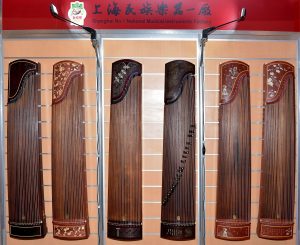
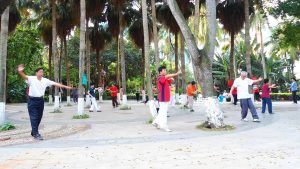
* Respect Privacy and Restraint: Avoid thrusting cameras or smartphones directly into the faces of elderly locals practicing calligraphy, tai chi, or traditional instruments in the pavilions.
* Tripods and Drones: Heavy professional tripods are frequently restricted in narrow historic corridors during peak hours, and commercial drone flying is strictly prohibited over public gardens. Keep equipment lightweight and portable.
—
Reading the Landscape: Rock, Water, and Pavilion Design
Understanding the symbolic language of a classical garden transforms a casual walk into a profound cultural experience. Every element—from jagged stones to weeping willows—has deep philosophical roots in Confucianism, Daoism, and Buddhism.
Taihu Rocks (Scholar’s Rocks)
The porous, contorted limestone rocks sourced from Lake Tai are prized for their weathered appearance, representing permanence, resilience, and the rugged forces of nature. Etiquette dictates that you never climb on, lean heavily against, or scratch these ancient stones, many of which have stood in place for centuries.
Water Features and Ponds
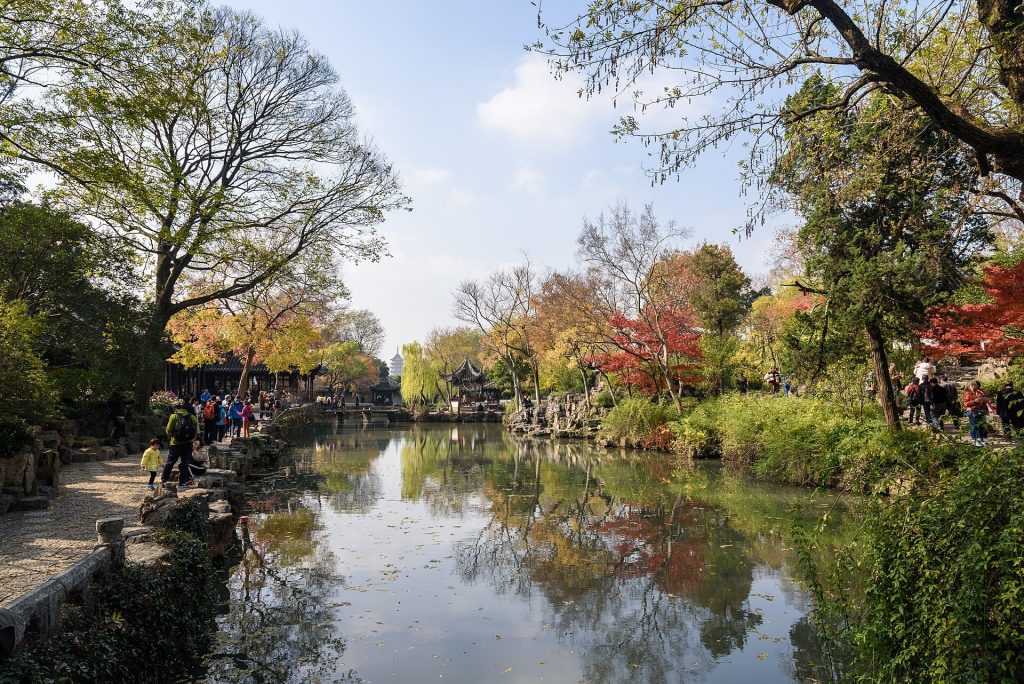
Water acts as the spiritual mirror of the garden, reflecting the sky and surrounding pavilions to create an illusion of infinite space. Because garden ponds are deep, historic, and un-fenced, keep a close eye on children and refrain from tossing foreign objects, coins, or plastic into the pristine waters.
Pavilions and Corridor Etiquette
Pavilions (ting) were traditionally used for resting, reading poetry, painting, or sipping tea. When visiting a pavilion, it is customary to pause, remove your hat or sunglasses if entering an intimate scholarly alcove, and yield seating space to others if the area is crowded.
<Image alt=”Visitors walking along a traditional stone bridge and pavilion complex in a Suzhou garden” caption=”Exploring traditional covered walkways and bridges” src=”image_agent_tag_3127874300347407504″/>
—
Frequently Asked Questions
Do I need to book my garden tickets days in advance?
Yes. Popular classical gardens in Suzhou (such as the Humble Administrator’s Garden or Master of the Nets Garden) and Hangzhou experience high visitor volumes, especially during weekends and autumn foliage season. Booking several days ahead via official online channels is strongly advised.
Can I bring food and drinks inside the gardens?
Light snacks and bottled water are generally permitted, but eating heavy meals while walking through historic halls is discouraged. Always pack out your trash, as classical gardens maintain exceptionally strict cleanliness standards with very few public bins along the inner paths.
Are guided tours necessary, or is it better to explore independently?
Exploring independently allows you to drift at your own meditative pace, which aligns best with the garden’s design philosophy. However, hiring a licensed local guide or using a reliable audio guide app can unlock the hidden poetic references behind couplets inscribed on pavilion pillars.
What is the best time of day to visit for a peaceful experience?
We recommend arriving right at opening time in the morning or visiting during the final two hours before closing. Mid-day sees the heaviest influx of tour groups, whereas early mornings offer misty lighting and an atmosphere of true scholarly serenity.
Are classical gardens accessible for visitors with limited mobility?
<!–
title: Chinese Classical Garden Etiquette for Visitors
slug: chinese-garden-etiquette-for-visitors
category: Culture
focus: Chinese garden etiquette
meta: How to behave in Suzhou- and Hangzhou-style classical gardens: quiet paths, photo manners, tickets, and reading rock, water and pavilion design as a visitor.
cover_alt: Rock, water and pavilion view inside the Humble Administrator’s Garden in Suzhou
cover_credit: Photo: King of Hearts / Wikimedia Commons (CC BY-SA 4.0)
–>
Due to their historical nature featuring ancient stone steps, raised thresholds, uneven pebble walkways, and arched bridges, traditional gardens can present significant mobility challenges. Flat paths exist in outer zones, but full navigation of inner rockeries and multi-level pavilions often requires stair climbing.