Suzhou Squirrel Fish (Songshu Yu) for First-Timers
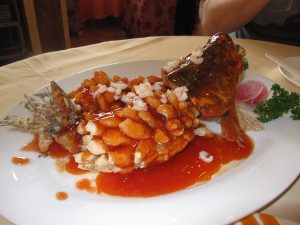
When you sit down at a traditional Jiangnan restaurant in Suzhou, few culinary spectacles match the arrival of Songshu Yu (松鼠鱼)—commonly known as Suzhou Squirrel Mandarin Fish. It is a masterpiece of classical Chinese gastronomy: a whole fresh mandarin fish scored with an intricate diamond pattern, deep-fried until the flesh curls outward into a golden, fur-like coat resembling a squirrel’s tail, and finally drenched in a vibrant, sizzling sweet-and-sour sauce that releases an appetizing aroma across the entire table.
For first-time visitors exploring the scenic canals, classical gardens, and water towns of Jiangsu province, tasting authentic Squirrel Fish is an absolute must-do. However, because it requires master-level knife skills, precise frying temperatures, and balancing authentic regional flavors, navigating your first order can feel a bit intimidating. In this practical SEO guide, we break down everything you need to know about how this iconic dish is prepared, where to experience it, how to order seamlessly, and what else to pair it with for the ultimate Suzhou dining experience.
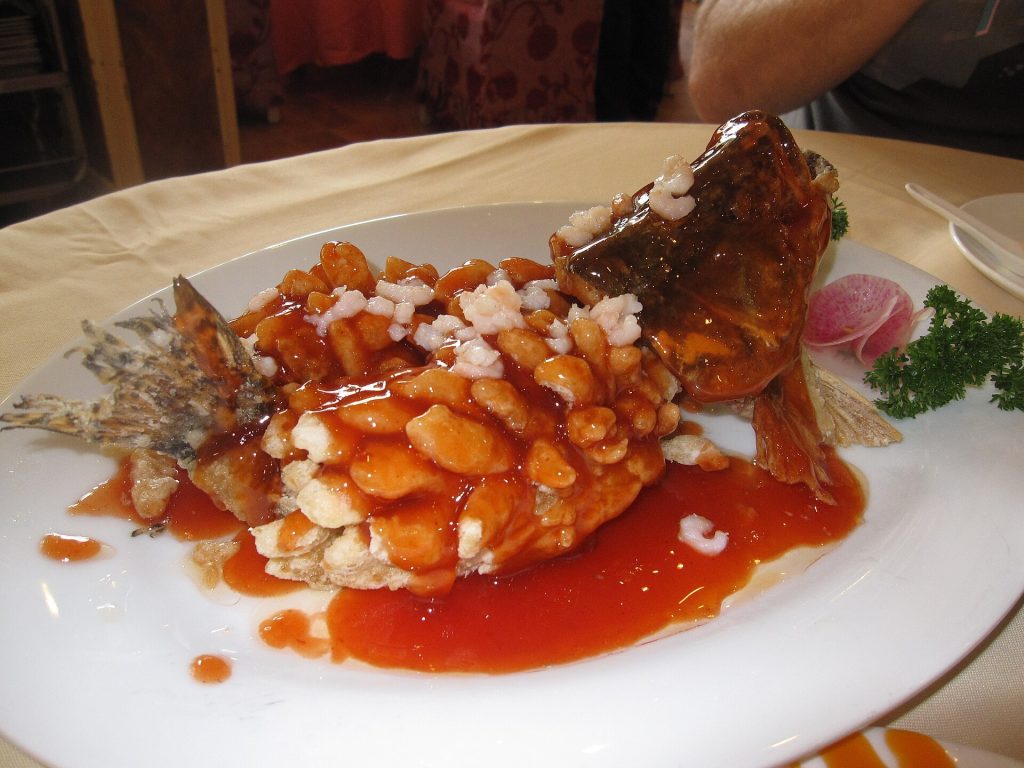
<Image alt=”Traditional Suzhou Squirrel Fish plated with sweet and sour sauce” caption=”Suzhou Squirrel Mandarin Fish served with sweet and sour sauce” src=”image_agent_tag_7017078259729463644″/>
—
What is Suzhou Squirrel Fish? (The Direct Answer)
Suzhou Squirrel Fish is a legendary Jiangsu (Sunan) dish featuring a fresh mandarin fish (guiyu) that is meticulously deboned, masterfully scored in a crisscross diamond lattice pattern, coated in starch, deep-fried until crisp and golden, and crowned with a steaming, glossy sweet-and-sour sauce made from tomato paste, vinegar, sugar, stock, shrimp, and dried bamboo shoots.
The Name: The dish gets its name from two things: the shape of the fried fish body (which resembles a fluffy squirrel tail with an upturned head) and the distinct sizzling sound (“吱吱”*) the hot crust makes when the boiling sauce is poured over it at the table.
* The Flavor Profile: Unlike overly heavy Western sweet-and-sour dishes, traditional Suzhou cuisine relies on a refined, delicate balance of rich aromatic rice vinegar and high-quality sugar. It is savory, crisp on the outside, tender on the inside, and sweet-tart without being cloying.
Cultural Significance: Dating back hundreds of years to the Qing dynasty (with famous regional legends tying it to Suzhou’s bustling markets), Squirrel Fish remains the crowning glory of Su cuisine (Su Cai*), traditionally reserved for banquets and special celebrations.
—
How It Is Crafted: Knife Work Meets Culinary Science
The secret to a successful plate of Squirrel Fish lies entirely in the chef’s knife skills and kitchen timing. Replicating this at home is notoriously difficult, which is why experiencing it fresh in Suzhou is irreplaceable.
1. The Precision Scoring
The chef begins with a live mandarin fish, carefully removing the main spine while keeping the head and tail intact. The flesh is then scored down to the skin in a tight diamond lattice pattern. This precise crosshatch cutting allows the heat to penetrate evenly during frying, causing the individual pieces of fish flesh to curl outward and upward like blooming petals.
2. Coating and Deep Frying
The scored fish is coated lightly with dry starch (often potato or corn starch) to create a protective shell. It is then lowered into a wok of smoking-hot oil. The rapid frying locks in the moisture of the fish, ensuring the inside stays snow-white, tender, and juicy while the exterior achieves an ultra-crispy crunch.
3. The Grand Finale: The Sizzling Sauce
Once plated, a piping-hot sweet-and-sour gravy is ladled directly over the fish. Traditional versions feature colorful garnishes such as peeled shrimp, pine nuts, green peas, and minced bamboo shoots swimming in a translucent amber sauce. The moment the sauce hits the crispy crust, it bubbles and crackles loudly, creating a multisensory experience.
—
Actionable Tips for First-Timers in Suzhou
Dining out in China as a foreign visitor has become remarkably smooth, but a little local know-how goes a long way when ordering regional specialties like Squirrel Fish.
Booking and Timing
* Expect a Wait: Because Squirrel Fish is prepared to order and demands meticulous preparation, it is rarely a “fast” dish. During peak lunch and dinner hours, traditional restaurants can experience heavy crowds. Aim to arrive slightly early (around 11:30 AM or 5:00 PM) to secure a table.
* Portion Sizes: A whole mandarin fish is usually substantial enough to share as a centerpiece dish for a table of two to four people, especially if you are ordering multiple other regional dishes.
Digital Convenience and Payments
* Payment Setup: Cash is rarely used in modern Chinese dining. Before your trip, ensure you have set up mobile payments through Alipay and WeChat Pay for foreign visitors. Most restaurants use QR codes at the table for browsing menus with English translations and paying directly.
* Connectivity: Navigating restaurant apps, translation tools, and ride-hailing services requires a reliable network connection. Setting up a digital profile or getting a China SIM and eSIM for foreign visitors 2026 before arrival ensures you can easily translate menus and find top-rated local eateries on the go.
—
What Else to Order in a Classic Jiangsu Meal
Squirrel Fish shouldn’t be eaten in isolation. A traditional Suzhou feast (Su Bang Cai) relies on sharing various dishes to balance textures and flavors. Here is what you should order alongside your fish:
* **Braised Pork Belly (Dongpo Rou or Hongshao Rou):** Melt-in-your-mouth pork belly slow-braised in soy sauce, Shaoxing wine, and rock sugar. Suzhou style leans slightly sweet, making it a wonderful complement to the fish.
* **Wonton Soup or Suzhou Noodles (Aotou Mian):** Local noodles served in a rich, clear broth simmered for hours with chicken, pork bones, and eel bones.
* Seasonal Greens: Stir-fried water bamboo or fresh local greens flavored with garlic and light oil to cut through the richness of the fried fish.
* Need Dietary Accommodations? If you are traveling with companions who follow plant-based diets, check out our guide on Vegetarian dining in China to find great vegetable and tofu dishes that complement a traditional Jiangsu spread.
—
Frequently Asked Questions
1. Is Suzhou Squirrel Fish spicy?
No, traditional Suzhou Squirrel Fish is completely non-spicy. The flavor profile focuses strictly on a harmonious balance of sweet and sour notes derived from rice vinegar, sugar, and tomato-based or fruit-infused reductions. If you prefer fiery regional styles, you might look into Sichuan spice levels for foreigners, but Jiangsu cuisine is celebrated for its mild, comforting, and sweet-leaning profile.
2. Is the fish full of small bones?
Mandarin fish (guiyu) naturally has relatively few fine bones compared to other freshwater river fish, and the master deboning process removes the primary spine. However, because it is served whole, diners should still eat carefully—especially around the head and tail sections.
3. Why is the dish so expensive compared to other local street foods?
Squirrel Fish is considered a banquet-tier heritage dish. It requires live mandarin fish (which commands a higher market price than common carp), expert knife skills that take years to master, and precise frying technique. It is meant to be a centerpiece shared among a group.
4. Where are the best places to try Squirrel Fish in Suzhou?
Historic dining establishments along Guanqian Street, near Pingjiang Road, or inside traditional gardens (such as classical hotel restaurants and century-old local brands like Songhelou) are famous for serving authentic versions. Check current reviews on local apps or ask your hotel concierge for the nearest reputable branch.
5. Can I find Squirrel Fish outside of Suzhou?
Yes! While it originated in Suzhou, variations of squirrel fish (sometimes made with mandarin fish or yellow croaker) can be found in high-end Jiangnan and Shanghainese restaurants across China. However, tasting it in Suzhou provides the most authentic cultural and culinary context.
—
<ElicitationsGroup message=”Explore more about Chinese food culture and travel prep:”>
<Elicitation label=”Discover China’s top regional noodle styles” query=”What are the regional differences between Lanzhou lamian, Wuhan hot dry noodles, and Sichuan Dan Dan noodles?”/>
<Elicitation label=”Learn how to navigate night markets in China” query=”What should first-time visitors know about exploring food night markets in China?”/>
<Elicitation label=”Master mobile payments and digital tools in China” query=”How do foreign tourists set up Alipay and WeChat Pay for seamless travel in China?”/>
<!–
title: Suzhou Squirrel Fish (Songshu Yu) for First-Timers
slug: suzhou-squirrel-fish-songshuyu-first-timers
category: Food
focus: Suzhou squirrel fish
meta: Suzhou’s famous squirrel-shaped mandarin fish in sweet-sour sauce: how it is carved and fried, where to try it, and what else to order in a Jiangsu meal.
cover_alt: Suzhou squirrel-shaped sweet-and-sour mandarin fish on a serving plate
cover_credit: Photo: Ines Yeh / Wikimedia Commons (CC BY 2.0)
–>
</ElicitationsGroup>