Shanxi knife-cut noodles, universally known as daoxiaomian (刀削面), stand as one of China’s most iconic culinary masterpieces. Hailing from Shanxi Province—a region famous for its rich wheat culture and centuries-old noodle-making traditions—these noodles offer a textural experience unlike anything else in the noodle world. If you are stepping into a noodle shop or night market stall for the first time, seeing a chef shave thick ribbons of dough directly into a boiling cauldron of water is nothing short of mesmerizing.
Whether you are planning a trip to northern China or seeking out an authentic regional restaurant in your home city, this practical SEO guide covers everything you need to know about tasting, understanding, and ordering daoxiaomian with confidence.
—
What Are Shanxi Knife-Cut Noodles (Daoxiaomian)?
At its core, daoxiaomian translates literally to “knife-sliced noodles.” Unlike hand-pulled noodles (lamian) which are stretched and folded from a single pliable lump of dough, knife-cut noodles are shaved off a dense, firm block of dough using a specially curved knife or metal shaver.
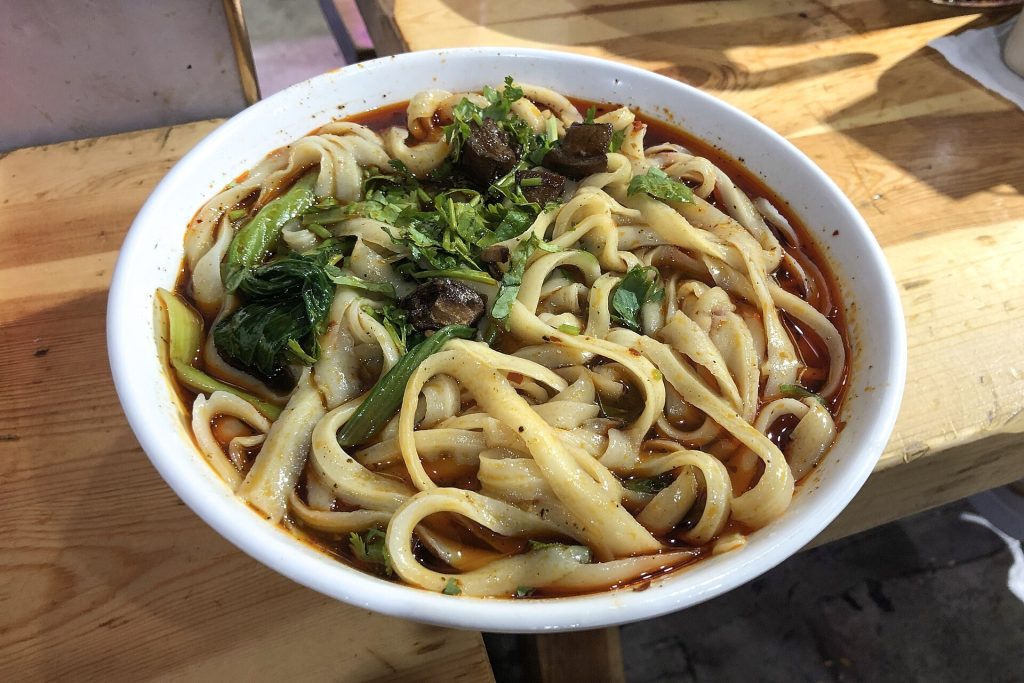
The preparation is an athletic performance. The chef holds a block of wheat dough—often resting it against their shoulder or a specialized wooden stand—and rapidly slices willow-leaf-shaped shards directly into a steaming pot of boiling water. This unique cutting technique creates noodles that are thick and chewy in the center, with feather-light, translucent edges that absorb savory broths and sauces exceptionally well.
> The First-Timer Summary: Shanxi knife-cut noodles are famous for their distinct, uneven texture—thick in the middle and thin at the edges. They are traditionally served either in a rich meat-based soup or tossed dry in a heavy, savory sauce, offering a hearty, comforting taste of northern Chinese cuisine.
—
The Art of the Slice: How Daoxiaomian Are Made
The secret to a great bowl of daoxiaomian lies entirely in the dough and the precision of the blade. Shanxi wheat flour has a high gluten content, which allows the dough to be mixed with minimal water into an extremely stiff, compact mass. This firmness ensures that the noodles do not turn mushy when boiled.
* The Special Knife: Traditional chefs use a sharp, curved metal blade, sometimes even dual-bladed knives, to increase the speed and rhythm of the cuts. Expert chefs can shave hundreds of uniform noodles per minute straight into the pot.
* The Texture Profile: Because the knife shaves the dough at an angle, every single noodle has a unique cross-section. You get a robust, al dente chew in the core alongside delicate, silky edges.
If you are exploring bustling food hubs across the country, you will often find noodle masters performing this craft right at the storefront window, drawing crowds of hungry onlookers. You can read more about navigating similar vibrant street food environments in our guide to China night markets for first-timers.
—
Popular Sauce and Broth Styles
While the noodles themselves are legendary, the toppings and sauces define the flavor profile of your bowl. Depending on the shop or the regional sub-style, you can choose from several classic variations:
1. Tomato and Egg Sauce (Xihongshi Jidan)
A staple of comfort food across northern China, this style features a savory-sweet, glossy tomato and scrambled egg stir-pour placed generously over the top of the noodles. It is comforting, mildly sweet, and completely non-spicy.
2. Braised Beef or Pork (Huo Shao / Niurou)
Chunks of beef or pork stewed for hours in a rich, aromatic master stock spiced with star anise, cinnamon, and ginger. The deeply savory broth infuses the chewy noodles with incredible warmth.
3. Zha Jiang (Pork and Soybean Paste)
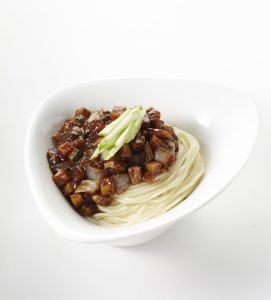
Thick, fermented soybean paste sauteed with ground pork and aromatics, tossed directly with the noodles and fresh cucumber or radish matchsticks for a satisfying crunch and heavy, earthy flavor.
—
Spice Levels and Customization
For travelers accustomed to the tongue-numbing heat of Sichuan cuisine, northern Chinese food takes a different approach. Shanxi cuisine leans heavily into savory, sour, and fermented flavor profiles rather than overwhelming chili heat.
The Role of Vinegar: Shanxi is most famous across China for its aged dark vinegar (cu*). When your bowl of noodles arrives, local custom dictates splashing a spoonful of tangy Shanxi vinegar over the top to cut through the richness of the meat and elevate the wheat flavor.
Managing Chili Oil: While daoxiaomian is not inherently spicy, most shops keep a jar of vibrant red chili oil (lazhu*) on the table. You can add as much or as little as you prefer. For a deeper dive into regional spice expectations, check out our guide on Sichuan spice levels for foreigners to understand how Chinese eateries scale heat.
—
How to Order Daoxiaomian Like a Pro
Ordering in a local Chinese noodle shop can feel fast-paced, but modern technology and a few key steps make the process seamless for foreign visitors.
Step 1: Digital Payments and Menus
Most casual noodle shops in China operate primarily through digital ordering systems via smartphone apps. Having your payment setup ready before you sit down is essential. We recommend configuring your mobile wallet by reviewing our guide on Alipay and WeChat Pay for foreign visitors.
Step 2: Staying Connected
To translate paper menus, scan QR code ordering systems, or navigate to hidden-gem noodle alleys, reliable mobile data is a must. Check out the latest connectivity options in our guide to China SIM and eSIM for foreign visitors 2026.
Step 3: Useful Ordering Vocabulary
* Daoxiaomian (刀削面): Knife-cut noodles.
* Niurou Daoxiaomian (牛肉刀削面): Beef knife-cut noodles.
* Bula la (不辣): Not spicy at all.
* Weidao hen hao (味道很好): It tastes great!
—
Frequently Asked Questions
Are Shanxi knife-cut noodles vegetarian-friendly?
Traditionally, the broths are simmered with pork or beef bone stock, and meat toppings are standard. However, many shops can prepare a custom vegetarian bowl tossed with tomato and egg or simple garlic and soy sauce if you communicate your dietary needs clearly. For broader tips, see our guide on vegetarian dining in China.
How do knife-cut noodles compare to Lanzhou pulled noodles?
While both are iconic northern wheat noodles, their textures and preparation methods differ entirely. Lanzhou noodles (lamian) are hand-stretched into smooth, uniform round or flat strands resulting in a springy bounce. Shanxi knife-cut noodles are shaved from a dense block, giving them a rustic, irregular shape with a firm center and delicate feathered edges.
Can I find gluten-free daoxiaomian?
No. Because the defining characteristic of these noodles is their high-gluten wheat dough structure, authentic daoxiaomian cannot be made gluten-free.
How much do knife-cut noodles typically cost?
At casual local eateries and food stalls, a hearty bowl is very affordable. While exact prices fluctuate by city and venue, expect a satisfying meal to be budget-friendly—always check the posted menu or local app listing for current rates.
—
Conclusion
<!–
title: Shanxi Knife-Cut Noodles (Daoxiaomian) for First-Timers
slug: shanxi-knife-cut-noodles-daoxiao-first-timers
category: Food
focus: Shanxi daoxiaomian
meta: Shanxi knife-cut noodles explained: how the dough is sliced into the pot, sauce styles, spice level, and how to order daoxiaomian as a first-timer.
cover_alt: Bowl of Shanxi-style knife-cut noodles (daoxiaomian) with sauce and toppings
cover_credit: Photo: N509FZ / Wikimedia Commons (CC BY-SA 4.0)
–>
Embarking on your first bowl of Shanxi knife-cut noodles is an essential milestone in any culinary exploration of China. With their unbeatable contrast of chewy centers and silky edges, paired with fragrant broths and a splash of aged vinegar, daoxiaomian offer an authentic taste of northern heritage. Grab your chopsticks, don’t be afraid to splash a little chili oil, and enjoy one of the greatest noodle traditions in the world!