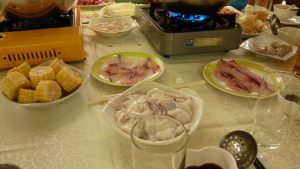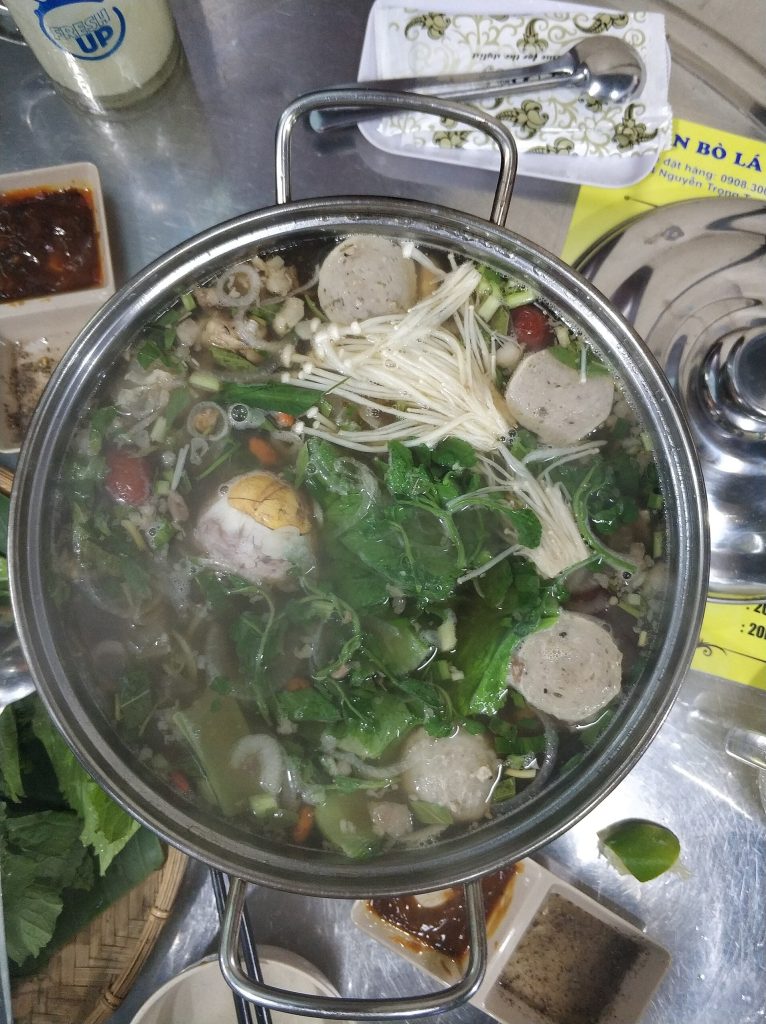
If you picture a bubbling cauldron of fiery red chili oil and numbing Sichuan peppercorns whenever you hear the word “hotpot,” Chaoshan beef hotpot will completely flip your expectations. Hailing from the Shantou and Chaozhou regions of Guangdong province, this style of hotpot is all about celebrating the pristine, natural flavor of fresh beef. Instead of heavy, spicy broths, Chaoshan hotpot relies on a light, clear beef bone broth simmered with daikon radish and corn. It is a masterclass in minimalism, texture, and precision.
For international visitors diving into China’s dynamic culinary scene, navigating a specialized beef hotpot restaurant can feel a bit daunting—especially when faced with butchers carving up different cuts of beef you might not recognize on a Western menu. Whether you are planning your itinerary after setting up China SIM and eSIM for foreign visitors 2026 or mapping out your food journey alongside experiences like exploring China night markets for first-timers, this practical guide covers everything you need to know to order, cook, and eat Chaoshan beef hotpot like a pro.
—
What is Chaoshan Beef Hotpot? (The Short Answer)
Chaoshan beef hotpot is a regional Chinese hotpot style centered around ultra-fresh, never-frozen beef served in a mild, clear broth. Unlike Sichuan hotpot, which masks ingredients in heavy spice, Chaoshan hotpot treats beef like sushi or high-end steak: the quality, freshness, and exact cut dictate the entire experience.
Cows are typically slaughtered and delivered to restaurants multiple times a day to ensure the meat never sees a freezer. This preserves the muscle fibers’ natural elasticity and sweetness. You cook each cut in the boiling clear broth for mere seconds—often timed precisely by the second—and dip them into simple, punchy condiments like local shacha sauce (a savory, slightly sweet seafood and peanut paste) or soy sauce mixed with fresh bird’s eye chilies and garlic.
—
How Chaoshan Beef Hotpot Differs from Sichuan Mala Hotpot
Before you sit down at your table, it helps to understand how this style contrasts with the more globally famous Sichuan mala (numbing and spicy) hotpot.
| Feature | Chaoshan Beef Hotpot | Sichuan Mala Hotpot |
| :— | :— | :— |
| Broth Base | Light, clear beef bone broth with radish, corn, and ginger | Heavy beef tallow base loaded with dried chilies and Sichuan peppercorns |
| Primary Protein | Exclusively fresh beef (various specific cuts) | Offal, beef slices, pork belly, duck blood, vegetables, and assorted meatballs |
| Cooking Focus | Short, timed immersion to preserve tenderness | Long simmering to absorb heavy, numbing spice flavors |
| Dipping Sauces | Shacha sauce, soybean paste, crushed garlic, chopped celery, and fresh chilies | Sesame oil, crushed garlic, cilantro, oyster sauce, and crushed peanuts |
If you are traveling with companions who prefer lighter meals, or if you want a break from fiery spice (you can brush up on handling heat with Sichuan spice levels for foreigners if needed), Chaoshan hotpot offers a deeply comforting, clean culinary alternative.
—
Decoding the Menu: Essential Beef Cuts to Order
When you look at a Chaoshan hotpot menu, you will notice specific terminology for different parts of the cow. Because texture is everything in this cuisine, ordering a variety of cuts gives you the full experience. Here is your cheat sheet for what to order:
1. Tenderloin & Lean Cuts
* Lian Dao Rou (匙柄 – Shǐ Bǐng / Blade Shoulder): Highly recommended for beginners. It features a distinct line of connective tissue running down the center, giving it a tender yet delightfully chewy texture.
* Tuo Di (匙仁 – Shǐ Rén / Chuck Tender): Extremely tender, lean meat with fine marbling. It melts in your mouth if cooked correctly.
2. Fatty & Marbled Cuts
* Wu Hua Rou (五花肉 – Wǔ Huā Ròu / Five-Layer Beef): A cut from the flank or brisket area with alternating layers of fat and lean meat. Rich and juicy.
* Xue Hua (雪花 – Xuě Huā / Snow Beef): Beautifully marbled beef resembling wagyu. It cooks in about 8 to 10 seconds and delivers an explosion of rich beef fat flavor.
3. Textured & Chewy Cuts
* Biao Zhi (吊龙 – Diào Lóng / Sirloin/Ribeye Strip): A classic staple that balances lean meat and a thin strip of sweet fat.
* Zhen Niang / Niu Jian (腱子肉 – Jiàn Zi Ròu / Shank): Beef shank containing dense muscle and tendon. It requires a slightly longer cook time (around 1 to 2 minutes) to become tender and gelatinous.
* Niu Wan (牛肉丸 – Beef Balls): Hand-beaten beef meatballs (both smooth and tendon variants) are mandatory. They are bouncy, incredibly springy, and burst with broth when you bite into them.
—
Actionable Tips: Ordering, Cooking, and Etiquette
Booking and Payment
Popular Chaoshan beef hotpot chains can experience long queues during peak weekend dinner hours. Many local spots utilize mini-programs within apps like WeChat for queuing. Ensure your digital wallet is ready by reviewing Alipay and WeChat Pay for foreign visitors before heading out. If you are dining with dietary restrictions or exploring broader options, you might also find insights in guides like Vegetarian dining in China, though beef is undeniably the star here.
The Sacred Cooking Ritual
Never dump all your meat into the pot at once! Doing so lowers the broth temperature and overcooks the premium cuts. Instead:
1. Drink the broth first: Before adding any meat, ladle a small bowl of the clear broth into your cup, mixed with a sprinkle of chopped celery or scallions. It is sweet, clean, and preps your palate.
2. Use the wire mesh strainer: Place your beef slices into the individual wire mesh spoon/strainer provided.
3. The “Three Up, Three Down” method: Submerge the strainer into the boiling broth for roughly 8 to 12 seconds, lifting it out and dipping it back in a few times. The meat should transition from bright red to a delicate pinkish-grey.
4. Do not overcook: Overcooked Chaoshan beef loses its signature tenderness and turns tough.
Building Your Dipping Sauce
While restaurants usually provide a DIY sauce station, a classic Chaoshan combination consists of:
* A generous base of Shacha sauce (沙茶酱).
* A dash of fried garlic or garlic oil.
* Fresh chopped bird’s eye chilies and cilantro.
* A side dish of fermented soybean paste (Puning bean sauce) if you prefer a saltier, punchier profile to cut through the rich fats.
—
Frequently Asked Questions
1. How do I know if the beef is truly fresh?
In authentic Chaoshan restaurants, the butcher shop is often front-facing and glass-enclosed. Look at the plates of beef when they arrive: they should cling to the plate so tightly that even if you turn the plate upside down, the meat won’t slide off. If the meat is watery or pooling with liquid, it has likely been frozen.
2. What order should I cook my food in?
Start with the leaner cuts (like tenderloin or blade shoulder) so you can appreciate the clean broth flavor. Move on to the richer, marbled cuts (like sirloin and snow beef) next. Save items like beef meatballs, tendon, and daikon radish for the middle or end, as they benefit from simmering longer in the accumulated flavors.
3. Can I get a spicy broth if I am dining with friends who love heat?
Some modern or chain Chaoshan hotpot restaurants offer split pots (yuanyang pots) with one side clear broth and the other side spicy broth. However, purists argue that a spicy broth overpowers the delicate, subtle sweetness of fresh beef. If you want the traditional experience, stick to the clear broth.
4. Do I need to speak Mandarin to order?
Many popular hotpot chains use QR-code ordering via WeChat mini-programs, which can be translated using built-in smartphone screen translators. Furthermore, menus often feature clear photos of the different beef cuts, making it easy to point and choose even if you cannot read the Chinese characters.
5. How much beef should I order per person?
<!–
title: Chaoshan Beef Hotpot for First-Timers: Clear Broth, Fresh Cuts and Dipping Sauces
slug: chaoshan-beef-hotpot-first-timers
category: Food
focus: Chaoshan Shantou beef hotpot first-timers clear broth
meta: Chaoshan beef hotpot for first-timers: clear broth style from Shantou/Chaozhou, ordering fresh cuts, dipping sauces, and how it differs from Sichuan mala hotpot.
cover_alt: Clear-broth Chinese beef hotpot with sliced beef ready to cook
cover_credit: Photo: Khanh Ha, Tran / Wikimedia Commons (CC BY-SA 4.0)
–>
As a general rule of thumb, start by ordering 1 to 1.5 plates of meat per person, alongside a portion of beef balls, fried bean curd skin (fuzhu), and some seasonal green vegetables or noodles to finish the meal. You can always order more as you gauge your appetite.