Wuhan’s hot dry noodles—known locally as reganmian (热干面)—are an absolute institution. Unlike soup-heavy noodles found across other parts of China, these iconic morning noodles are coated in a thick, nutty, savory sesame paste with virtually no broth. For first-timers, understanding how to order them, how the breakfast culture works, and how to conquer the rich sauce will turn a potentially baffling street meal into an unforgettable highlight of traveling through China.
—
What Are Wuhan Hot Dry Noodles? (Direct Answer)
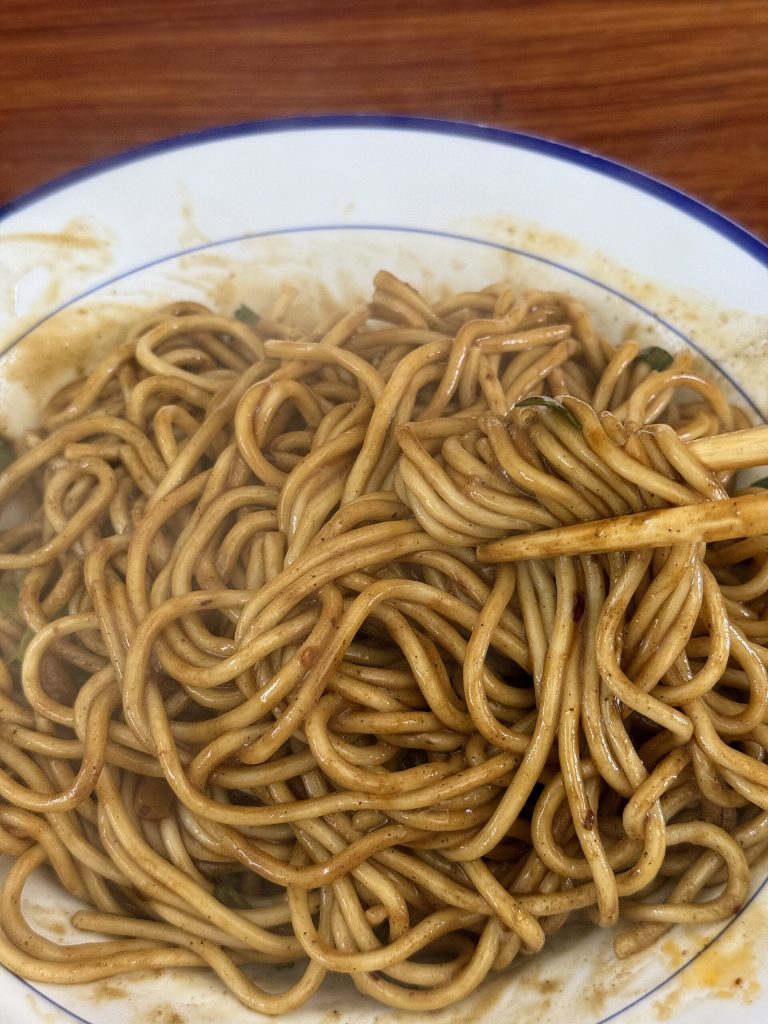
Wuhan hot dry noodles are a breakfast staple featuring springy, yellow alkaline wheat noodles (jianmian) that are boiled, tossed in sesame oil to cool and set ahead of time, and then flashed in boiling water for just a few seconds to reheat right before serving. They are mixed with a thick paste made from toasted sesame seeds, light and dark soy sauce, garlic water, and a dash of white pepper, then topped with crunchy diced pickled radish (jiang luobo), chopped scallions, and optional chili oil.
The defining trait is the texture: because the thick sesame paste clings tightly to every single strand, the noodles are “dry” (no soup pool at the bottom) and intensely rich.
—
The Wuhan Breakfast Ritual: How Stalls Work
Wuhan takes its morning meal culture more seriously almost than any other city in China, a local phenomenon known as guozao (过早)—literally translating to “passing the morning.”
“`
┌─────────────────────────┐ ┌─────────────────────────┐ ┌─────────────────────────┐
│ 1. Pay & Get Token │ ──> │ 2. Quick Flash in Water │ ──> │ 3. Vigorous Tossing │
│ Order at the counter │ │ Seconds in boiling mesh │ │ Mix bottom-up instantly │
└─────────────────────────┘ └─────────────────────────┘ └─────────────────────────┘
“`
* Fast-Paced Stalls: Neighborhood spots and street-side windows operate at lightning speed during peak morning hours. Don’t expect tableside menus; you typically pay via mobile payment (ensure you have Alipay and WeChat Pay set up for foreign visitors), grab a plastic token or receipt, and hand it to the noodle master.
* The Quick Dip: The vendor scoops pre-cooked alkaline noodles into a bamboo mesh strainer, dips them into boiling water for roughly 8 to 15 seconds to heat them through, shakes off the water, and dumps them into a paper bowl or container.
* Speed is Key: The sauce is poured on instantly, and you are expected to step away to eat so the next customer can order. Many locals eat standing up on the pavement or while walking.
—
Mastering the Mix: Essential Eating Tips
If you dig straight into a bowl of reganmian without preparation, you will likely find the first bite overwhelmingly thick, gluey, or dry. Follow these rules to enjoy them like a local:
1. The Aggressive Toss: Before taking a bite, use your chopsticks to mix the noodles thoroughly from the bottom up. The goal is to ensure the settled sesame paste and soy seasoning completely coat every single strand.
2. Loosen It Up If Needed: Traditional bowls are intentionally heavy-duty. If it feels too claggy, many stalls offer a communal kettle of plain hot water or mild seasoned broth near the condiment station—adding just a tiny splash helps smooth out the paste.
3. Customize Your Toppings: Add spoonfuls of pickled long beans (suan doujiao), extra pickled radish for crunch, and Wuhan’s signature local chili oil (which packs a punch despite its unassuming look).
—
What to Order With Your Noodles
Wuhan breakfast culture is rarely about eating just one item. Locals almost always pair their hot dry noodles with a companion item to balance the heavy, nutty weight of the sesame paste:
* **Egg Rice Wine (Danjiu):** A sweet, mildly fermented glutinous rice soup cooked with floating egg ribbons. The light, tangy sweetness cuts right through the rich sesame flavor.
* Mianwo: A savory, deep-fried ring made from batter composed of rice and soybeans, crispy on the edges and soft in the middle. Break it into pieces and dip it right into your leftover sesame sauce.
* Sanxian Doupi: A pan-fried specialty featuring a golden outer layer of egg and bean curd skin packed with sticky rice, seasoned pork, mushrooms, and bamboo shoots.
—
FAQ for First-Timers
Are Wuhan hot dry noodles spicy?
By default, no. Plain reganmian is savory, nutty, and slightly sweet-and-salty due to the sesame paste and soy sauce. The heat only comes if you spoon on Wuhan chili oil or pickled chili condiments at the counter.
Can I get vegetarian hot dry noodles?
Yes, standard hot dry noodles are naturally vegetarian (made of wheat noodles, sesame paste, oil, soy sauce, and pickled vegetables), though you should double-check that the optional flavor broth doesn’t use a heavy meat stock if you strictly avoid animal products. For broader plant-based travel tips, see our guide on vegetarian dining in China for foreigners.
Why do some people call them “dry” if there is sauce?
They are called “dry” because they contain no soup or liquid broth swimming at the bottom—unlike beef noodle soup or wonton noodles. The dressing is a thick paste that clings tightly to the noodles rather than a liquid pool.
What is the best time of day to eat them?
Hot dry noodles are strictly a breakfast and morning dish in Wuhan. Most traditional neighborhood stalls open early at dawn and close by lunchtime or whenever they sell out of fresh noodles. Finding them open late at night is rare unless you are visiting a night market or a tourist-targeted food street.
How do I order if I don’t speak Mandarin?
Because breakfast stalls are fast-paced, pointing at a photo on your phone or showing the characters 热干面 (reganmian) to the vendor is the most efficient strategy. Having a reliable cellular connection via a China SIM or eSIM for foreign visitors will make navigating translation apps and digital payments seamless at street stalls.
—
<ElicitationsGroup message=”To explore more Chinese regional food cultures:”>
<Elicitation label=”Compare with Lanzhou hand-pulled beef noodles” query=”What are the main differences between Wuhan hot dry noodles and Lanzhou lamian soup noodles?”/>
<Elicitation label=”Explore China’s vibrant street food night markets” query=”What are the top street foods to try at Chinese night markets for first-timers?”/>
<!–
title: Wuhan Hot Dry Noodles for First-Timers: Sesame Sauce, Alkaline Noodles and Breakfast Ritual
slug: wuhan-hot-dry-noodles-first-timers
category: Food
focus: Wuhan reganmian hot dry noodles first-timers
meta: Wuhan hot dry noodles (reganmian) for first-timers: sesame sauce flavor, how breakfast stalls work, what to order with it, and tips for foreign visitors.
cover_alt: Bowl of Wuhan hot dry noodles with sesame sauce and pickled vegetables
cover_credit: Photo: Syouziiye / Wikimedia Commons (CC BY 4.0)
–>
</ElicitationsGroup>