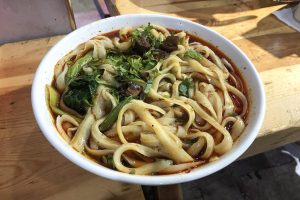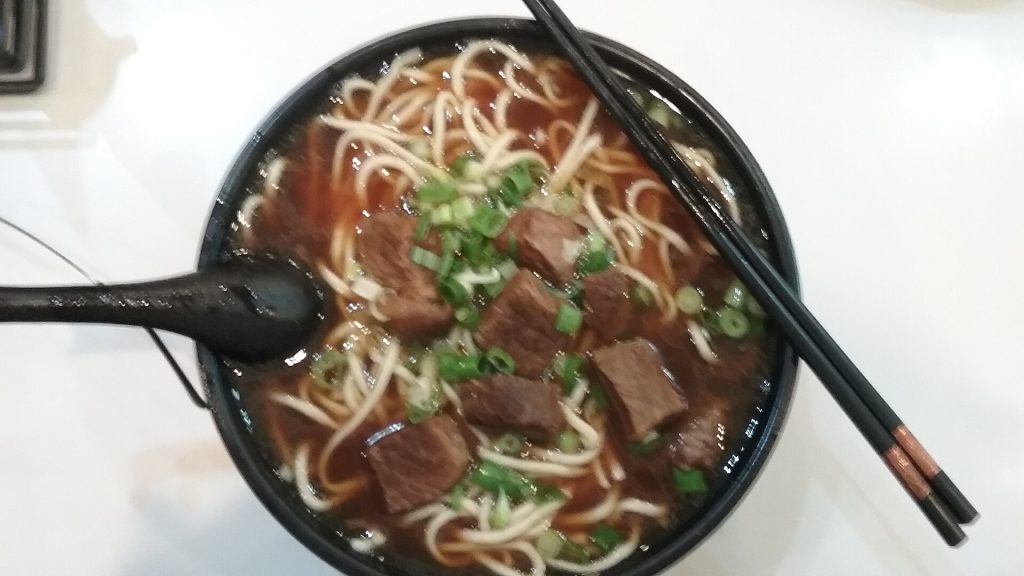
If you have spent any time exploring Chinese noodle culture, you have likely encountered the crystal-clear, radish-studded beef lamian of the northwest. But head east into Henan province, and the noodle landscape shifts dramatically. Enter Henan huimian (河南烩面) — a hearty, deeply savory bowl of hand-stretched, ribbon-like wheat noodles simmered directly in an intensely rich mutton or beef bone broth.
<Image alt=”A steaming bowl of Henan braised huimian noodles topped with cilantro, black fungus, and tender meat” caption=”A classic bowl of Henan braised huimian noodles” src=”image_agent_tag_14876702715572975541″/>
For first-time visitors to Henan—or anyone tracking down regional Chinese comfort food in major cities—huimian can feel intimidating. The menus are often entirely in Chinese, the broths are rich and complex, and the serving style is distinctly no-nonsense. We recommend taking the time to understand the anatomy of the bowl before you sit down. Once you know how the dough is stretched, how the broth is built, and how to navigate local noodle shops, huimian easily ranks among the most rewarding comfort foods in China.
—
What is Henan Huimian?
At its core, huimian translates literally to “braised noodles,” though the cooking method is more akin to simmering or stewing. Unlike many Chinese noodle dishes where pre-boiled noodles are dropped into hot broth at the last minute, huimian noodles are cooked in the flavorful broth or simmered alongside rich ingredients that meld directly into the starch.
The broth is the soul of the dish. Traditional versions start with lamb or mutton bones simmered for hours with dozens of traditional Chinese medicinal herbs and spices—such as star anise, fennel, ginger, and dried tangerine peel—yielding a milky, opaque, deeply warming liquid. Beef variations are also common for diners who prefer a milder flavor profile.
The noodles themselves are wide, thick strips of hand-pulled wheat dough. Chefs slap and stretch the dough expertly before tearing or dropping it into the cauldron. Because the noodles absorb the aromatic broth as they finish cooking, every bite carries the full weight of the soup. Bowls are typically garnished with wood ear mushrooms, tiger lily buds, bean vermicelli, fresh cilantro, and a drizzle of fragrant chili oil or fermented bean paste.
—
Huimian vs. Lanzhou Lamian: What is the Difference?
Travelers often confuse huimian with Lanzhou beef noodles, but they belong to entirely different culinary traditions. If you are comparing regional styles, it helps to understand how they contrast:
* The Noodle Shape: Lanzhou lamian uses round, pulled noodles that can range from hair-thin to flat ribbons depending on your preference. Henan huimian relies strictly on wide, flat, belt-like sheets of dough.
* The Broth Foundation: Lanzhou broth is clear, spiced subtly with beef bone essence, and traditionally topped with clear chili oil. Huimian broth is cloudy, rich, and heavily infused with mutton or beef essence alongside earthy herbs.
* The Cooking Method: Lanzhou noodles are boiled separately and assembled in a bowl with hot soup poured over them. Huimian noodles are cooked in harmony with the soup elements, resulting in a thicker, starchier, and more integrated broth.
For a deeper dive into how other iconic styles compare, check out our guide on Lanzhou lamian for first-timers.
—
Practical Ordering Tips for Foreign Visitors
Stepping into a local huimian institution in Zhengzhou or Luoyang can be an adventure. Because these spots cater primarily to local regulars, you will rarely find English menus. Fortunately, ordering is straightforward once you master a few basics:
1. Master Digital Payments and Connectivity
Most neighborhood noodle shacks operate entirely via smartphone ordering apps. Before you head out to eat, ensure your mobile setup is squared away so you can scan QR codes at your table. For tips on setting up local currency options, review our guide on Alipay and WeChat Pay for foreign visitors. Reliable internet connectivity is equally vital; make sure you have reviewed China SIM and eSIM for foreign visitors 2026 or similar network setups before your trip.
2. Choose Your Protein
When looking at a translated menu or pointing at options, you will typically choose between:
* Yangrou Huimian (羊肉烩面): Mutton or lamb braised noodles. This is the traditional, most popular iteration.
* Niurou Huimian (牛肉烩面): Beef braised noodles. A great alternative if you find mutton too gamey.
3. Customize Your Bowl
Many shops will ask about your preference for noodles or add-ons. If you like extra heat, don’t shy away from the house chili oil jar sitting on the table—though if you are sensitive to spice, take it slow. Huimian is naturally savory and warming rather than tongue-numbing, making it much more approachable than Sichuan cuisine. If you are curious about regional spice profiles, take a look at our breakdown of Sichuan spice levels for foreigners.
—
Frequently Asked Questions
Is Henan huimian spicy?
No. Traditional huimian broth is savory, milky, and aromatic rather than spicy. Any heat in the dish comes from adding chili oil or paste at the table, allowing you to control the spice level completely.
Can I get vegetarian huimian?
Because the foundational flavor of huimian relies heavily on a long-simmered bone broth (mutton or beef), true vegetarian versions are rare in traditional specialist shops. If you are navigating meat-free travel in China, our guide on Vegetarian dining in China offers practical strategies for communicating dietary restrictions.
What cuts of meat come with the noodles?
You will typically find tender, thinly sliced stewed lamb or beef shank mixed right into the noodles, along with toppings like wood ear fungus and bean curd skin.
How do I eat huimian properly?
Use your chopsticks to lift the wide noodles while using your soup spoon to sip the rich broth between bites. Many locals like to add a splash of vinegar or a spoonful of house chili paste halfway through the meal to alter the flavor profile.
<ElicitationsGroup message=”Explore more Chinese regional food guides:”>
<Elicitation label=”Read our guide on Lanzhou lamian for first-timers” query=”Read our guide on Lanzhou lamian for first-timers”/>
<Elicitation label=”Learn about China hotpot soup bases explained” query=”Learn about China hotpot soup bases explained”/>
<!–
title: Henan Braised Noodles (Huimian) for First-Timers
slug: henan-braised-noodles-huimian-first-timers
category: Food
focus: Henan huimian
meta: Henan huimian braised noodles: wide hand-pulled sheets in a rich broth with lamb or beef, how to order, and what makes them different from Lanzhou noodles.
cover_alt: Bowl of Chinese braised noodle soup with beef and vegetables
cover_credit: Photo: NeoBatfreak / Wikimedia Commons (CC BY-SA 4.0)
–>
</ElicitationsGroup>