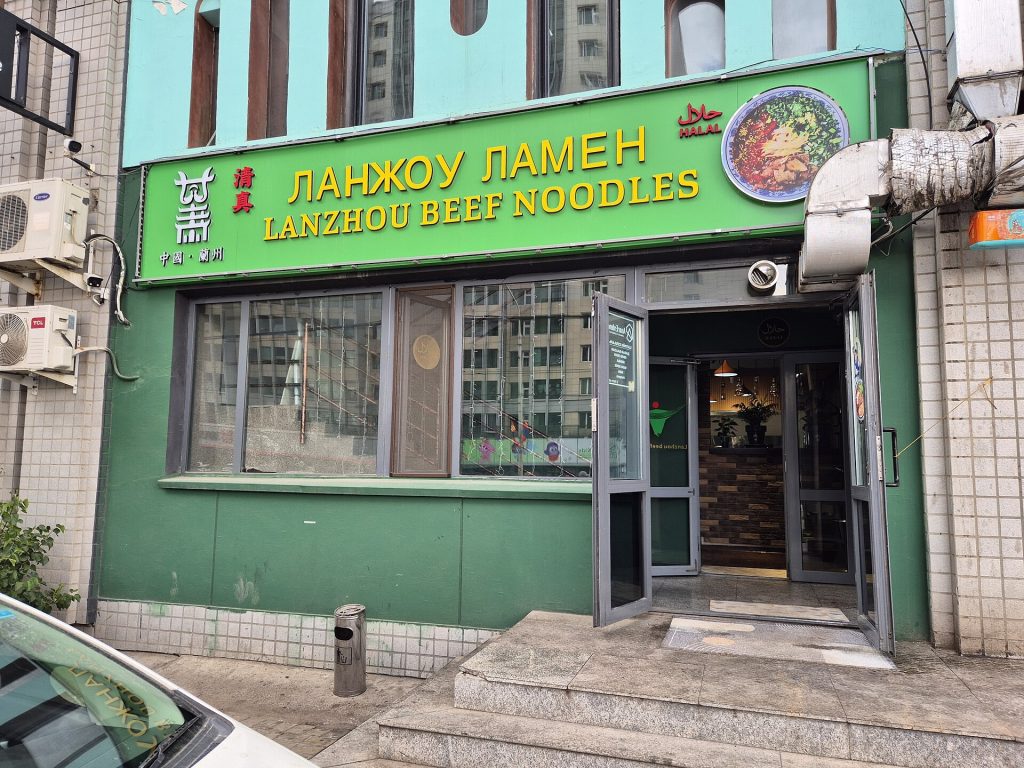
Walking into a bustling Lanzhou beef noodle shop anywhere in China is an unforgettable sensory experience. The rhythmic thwack-thwack of dough being stretched and folded against the counter, the rich aroma of star anise and beef bone broth simmering for hours, and the chorus of slurping diners create a vibrant culinary atmosphere. For first-timers, however, stepping up to the counter can feel a bit intimidating—especially when faced with a menu of strange noodle thicknesses and regional variations. Whether you are planning a foodie expedition or just trying to navigate lunch during your trip, this guide breaks down everything you need to know about ordering, customizing, and enjoying authentic Lanzhou lamian.
What is Lanzhou Lamian?
Originating from Lanzhou, the capital of Gansu Province in northwest China, authentic Lanzhou beef noodles are traditionally halal (qingzhen), crafted by the region’s Hui Muslim community. True Lanzhou beef noodles are defined by five distinct characteristics, summarized by locals as “One Clear, Two White, Three Red, Four Green, Five Yellow” (yiqing, erbai, sanhong, sijiu, wuhuang):
1. Clear (Yiqing): A crystal-clear, aromatic beef broth made by simmering beef bones, flank, and a complex blend of dozens of traditional spices.
2. White (Erbai): Daikon radish slices that are cooked until tender, adding a subtle sweetness to the bowl.
3. Red (Sanhong): A vibrant, fiery chili oil drizzled on top, which adds color and warmth without overwhelming spice.
4. Green (Sijiu): Finely chopped fresh cilantro and garlic sprouts.
5. Yellow (Wuhuang): The hand-pulled wheat noodles themselves, which have a natural yellowish hue and a wonderfully springy dao kou (knife-cut/pulled bounce) texture.
The Alchemy of Dough: How Noodles Are Hand-Pulled
One of the most mesmerizing aspects of visiting a Lanzhou noodle shop is watching the shifu (master) transform a dense lump of dough into dozens of uniform strands in mere seconds. This isn’t just brute force; it is a masterclass in food science and technique.
The process begins with high-gluten winter wheat flour, water, salt, and a very special secret ingredient: peng-hui (蓬灰), a traditional alkaline salt harvested from desert plants in Gansu. This natural alkaline agent strengthens the gluten network, giving the noodles their signature elastic bounce and golden hue without making them soggy. The noodle master kneads the dough thoroughly, lets it rest, and then rolls it into a thick cylinder. By repeatedly stretching, folding, and twisting the dough—interleaving it with vegetable oil to prevent sticking—the strands magically multiply from 2 to 4, 8, 16, 32, and beyond. With a final flick of the wrists, the master snaps off the ends, drops the noodles into a boiling vat of water for less than a minute, and transfers them straight into your waiting bowl.
The Insider’s Etiquette: Navigating the Counter & Shop Culture
Because Lanzhou noodle shops are optimized for high-volume, fast-casual dining, understanding the unwritten rules of shop culture ensures you won’t hold up the line.
* The Tray & Ticket Dance: Most shops require you to pay first at the central cashier or via a QR code. You will be handed a small plastic or paper ticket. Take this ticket directly to the open kitchen window where the noodle master is working.
Calling Out Your Style: As you hand over your ticket, shout your preferred noodle thickness and spice level clearly. If you hesitate, the shifu will automatically default to Maozhong* (standard fine) with mild spice.
* The Tea Station: Look around for the communal kettle. Most authentic shops provide complimentary hot beef tea or spiced herbal tea in self-serve metal cups. It’s warm, comforting, and completely free.
* Clearing Your Space: While high-end restaurants have busboys, classic noodle joints operate on a semi-self-service model. When you finish, leaving your bowl neatly stacked on the table or carrying it to the designated return rack is appreciated.
How to Order: Customizing Your Bowl
Unlike Western restaurants where you choose a dish off a static menu, ordering Lanzhou noodles is a modular, customizable process. Once you pay at the counter, you will typically hand your ticket to the noodle master (shifu) by the open kitchen window and specify three things: noodle shape, meat/add-ons, and spice level.
1. Choose Your Noodle Thickness
Lanzhou lamian masters can customize the thickness of your noodles on the fly. There are usually around 7 to 9 standard styles, ranging from thread-like hair strands to wide belt noodles. Here are the most popular options for first-timers:
* Maozhong (细 – Fine / Standard): Roughly the thickness of standard spaghetti. This is the most popular choice and the benchmark for testing the noodle master’s skill.
* Erxi (二细 – Two-Fine): Slightly thicker, about the thickness of a pencil lead or a chopstick. Excellent for a chewier, more substantial bite.
* Jiuye (韭叶 – Leek Leaf): Flat and ribbon-like, resembling Chinese garlic chives. Great for catching extra broth.
* Kuanda (宽大 – Wide Belt): Broad, flat strips that offer a hearty, chewy texture similar to Shaanxi belt noodles.
(Tip: If you aren’t sure what to say, just point to someone else’s bowl or say “Maozhong” for the standard fine noodles.)
2. Meat and Extra Toppings
A standard bowl of lamian comes with a few paper-thin slices of stewed beef. However, most shops allow you to order extra meat (jia rou) on a separate small plate. You can also ask for an extra braised egg (ludan) or extra daikon radish.
3. Spice Levels
Authentic Lanzhou chili oil is fragrant and rich rather than punishingly hot, but you should still choose your heat level carefully:
* Bula (不辣): No chili oil. Ideal if you have a sensitive stomach or want to appreciate the pure, unadulterated beef broth.
* Weila (微辣): Mild spice. A light drizzle of chili oil for color and aroma.
* Zhongla (中辣) / Xiangla (香辣): Standard or fragrant medium spice. Highly recommended if you enjoy a flavorful kick.
Regional Shops vs. Lanzhou Originals
If you travel across China, you will see thousands of small shops bearing the sign “Lanzhou Authentic Beef Noodles” (兰州正宗牛肉面). Interestingly, a vast majority of these shops outside of Gansu Province are actually operated by migrants from Huajialong County in Qinghai Province rather than Lanzhou itself!
While Gansu locals might debate the authenticity of the broth or the texture of the flour, both regional versions follow the same general halal traditions, use hand-pulled techniques, and offer a delicious, budget-friendly meal. In fact, the Qinghai diaspora popularized the trade nationwide, meaning you can find a steaming bowl of hand-pulled noodles in virtually every Chinese city, town, and high-speed railway station.
Frequently Asked Questions (FAQ)
Are Lanzhou beef noodles spicy by default?
No. The base broth is entirely non-spicy, savory, and aromatic. The heat comes exclusively from the chili oil (sanhong), which is added separately at the counter. If you want zero spice, simply request bula.
Are these noodles halal?
Yes, traditionally. Because Lanzhou lamian originated within the Hui Muslim community, authentic shops adhere strictly to halal (qingzhen) guidelines, meaning pork is never used in the kitchen or broth. However, in modern commercial chains, it is always wise to double-check local certification if strict dietary adherence is required.
Can I get vegetarian Lanzhou noodles?
While the noodles themselves are vegan (flour, water, salt, alkaline), the signature broth is intensely simmered with beef bones and beef cuts. True vegetarian bowls are rare, though some shops may accommodate a plain broth or oil-mixed noodle variant upon request.
Practical Tips for Foreigners
* Cashless Payment is King: Almost all noodle shops in China operate via mobile payments. Setting up your digital wallet beforehand is essential—you can follow our guide on Alipay and WeChat Pay for Foreign Visitors in China 2026 to link your international credit cards seamlessly.
* Stay Connected: Finding hidden-gem noodle alleys often requires reliable mobile data. Make sure your device is prepared using a China SIM and eSIM for Foreign Visitors in 2026.
* Navigation: Local neighborhood noodle spots rarely have English signage. Use How to Use Amap (Gaode Maps) in China as a Foreigner: 2026 English Guide to locate the highest-rated authentic shops nearby.
* Slurping is Encouraged: Don’t be shy about slurping your noodles—it helps aerate the broth and cools down the hot wheat strands as they enter your mouth!
Once you master your preferred noodle thickness and spice level, exploring Lanzhou lamian becomes an addictive culinary adventure. Pair your bowl with a side of cold shredded potatoes or cucumber salad, and you’ve experienced one of China’s greatest comfort foods.