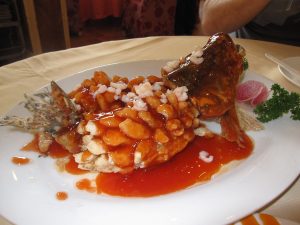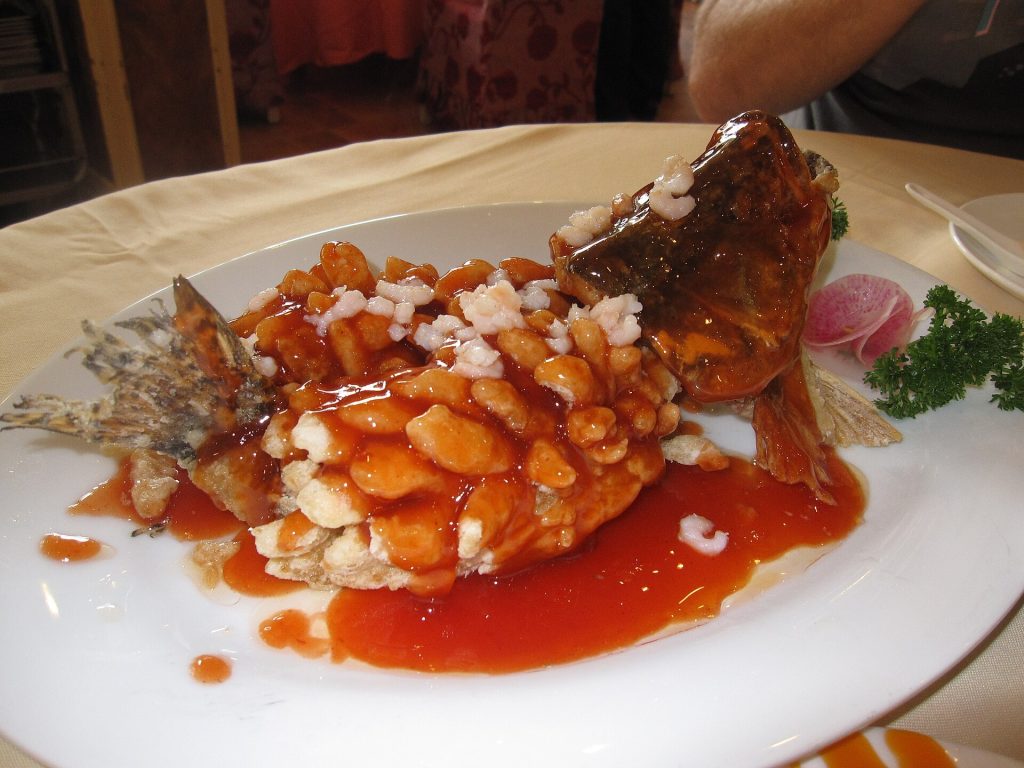
If you are planning a culinary journey through China’s historic canal cities, you will likely encounter one of the absolute masterpieces of Jiangsu (Suzhou) cuisine: Suzhou Squirrel Fish (Songshu Yu, 松鼠鳜鱼). Known for its striking resemblance to a squirrel, its impossibly crispy exterior, tender fish meat, and a vibrant sweet-and-sour sauce that sizzles upon pouring, this dish is a sensory spectacle.
Below is our complete guide for first-timers on what Suzhou Squirrel Fish is, how it is crafted, where to enjoy it, and how to navigate dining in China smoothly.
—
What is Suzhou Squirrel Fish? (The Direct Answer)
Suzhou Squirrel Fish is a classic Jiangsu-style banquet dish featuring a live mandarin fish (or grass carp in some variations) that is meticulously deboned, scored in a fine diamond pattern, coated in starch, and deep-fried until golden brown. The fish curls open as it hits the hot oil, creating a shape reminiscent of a bushy squirrel tail.
It is finished by being drenched in a hot, glossy sweet-and-sour sauce—typically made from tomato paste or ketchup, vinegar, sugar, stock, and soy sauce—often garnished with pine nuts, shrimp meat, and peas. The result is a brilliant contrast of textures: piping hot, crunchy crust on the outside, succulent and tender fish on the inside, balanced by a tangy flavor profile.
—
The Art of the Carve and Fry: How It’s Made
Achieving the iconic “squirrel” shape requires exceptional knife skills and precision. Master chefs in Suzhou follow a rigorous preparation process:
1. The Prep & Deboning: The chef removes the internal organs and spine of the mandarin fish while keeping the head and tail intact. The flesh is carefully peeled back from the bones without tearing the skin.
2. The Diamond Scoring: Using a swift, rhythmic cross-hatch motion, the chef scores the fish meat down to the skin at precise angles, creating a tight diamond pattern across both sides of the fillet.
3. Coating & Shaping: The scored fish is thoroughly coated in cornstarch or sweet potato flour, ensuring every crevice is covered so that it crisps evenly without sticking.
4. The High-Heat Fry: The fish is plunged into smoking-hot oil. The meat instantly contracts and curls outward into fluffy, golden-brown chrysanthemum-like petals resembling a squirrel tail.
5. The Sizzling Finish: Plated upright with its head raised proudly, the fish is topped with a steaming, aromatic sweet-and-sour reduction. In high-end establishments, servers will pour the sauce tableside, creating an iconic audible sizzle.
—
Actionable Tips for Ordering and Dining in Suzhou
Ordering regional specialties like squirrel fish can feel intimidating if you are navigating a local menu for the first time. Keep these practical tips in mind:
* Expect Whole Fish Presentation: In authentic Chinese dining, fish are almost always served whole with the head and eyes intact. Embrace the presentation—it is a sign of freshness and culinary respect.
* Master Digital Payments First: Most restaurants in tourist hubs like Suzhou rely heavily on mobile ordering and digital checkouts. Make sure you have your digital wallet configured before you sit down; review our guide on Alipay and WeChat Pay for foreign visitors to ensure seamless transactions.
Stay Connected: Finding hidden-gem local restaurants down Suzhou’s ancient alleys (pingtan* alleys or Guanqian Street areas) requires reliable mobile data. Setting up connectivity ahead of time via a reliable option like a China SIM and eSIM for foreign visitors 2026 will make navigation effortless.
* Ordering Sides: Because Suzhou cuisine leans sweet and savory, balance your meal by ordering a vegetable dish (like stir-fried seasonal greens with garlic) or a lighter clear broth to complement the richness of the fried fish.
—
What Else to Order in a Classic Jiangsu Meal
Suzhou cuisine (part of the broader Sunan regional style) is celebrated for its delicate flavors, meticulous knife work, sweet undertones, and seasonal ingredients. If you are sharing a meal with friends or family, round out your table with these traditional dishes:
* **Beggars Chicken (JiaoHua Ji):** A whole chicken stuffed with pork and seasonings, wrapped in lotus leaves and clay, and slow-baked until meltingly tender.
* **Suzhou-style Noodles (Aoshu Mian):** Fine wheat noodles served in a rich, slow-simmered pork bone broth, topped with classic toppings like braised eel or crispy duck.
* **Songhetong Crispy Duck or Braised Pork Belly (Dongpo Rou):** Rich, melt-in-your-mouth pork belly braised in soy sauce, rice wine, and rock sugar.
* Wuxi Ribs: Tender pork spare ribs coated in a deeply savory, sweet, and sticky lacquer.
*If you are traveling with companions who prefer plant-based dining or if you want to balance out heavy meat dishes, check out our insights on Vegetarian dining in China for tips on ordering local tofu and vegetable delicacies.*
—
Where to Try Authentic Squirrel Fish in Suzhou
While you can find squirrel fish in upscale restaurants across Shanghai and Jiangsu province, eating it in Suzhou itself is a rite of passage. Look for reputable heritage restaurants around iconic spots like Pingjiang Road, Shantang Street, or near the Humble Administrator’s Garden.
Because menus and operating hours can shift seasonally, we recommend checking local mapping apps or asking your hotel concierge for the day’s recommendations. Expect to pay moderate-to-high tourist-district prices, as mandarin fish is considered a premium freshwater catch.
—
Frequently Asked Questions
1. Is Suzhou Squirrel Fish spicy?
No. Unlike Sichuan or Hunan cuisines, Suzhou cuisine is characterized by its mild, sweet, and savory profile. The flavor comes from a balance of rice vinegar and sugar rather than chilies, making it very approachable for travelers who dislike heat.
2. Are there many bones in the fish?
Traditional recipes use mandarin fish (guiyu), which has relatively few fine bones compared to other freshwater carps. However, because the fish is carved deeply, watch out for larger skeletal bones near the spine and tail while eating.
3. Can I find this dish outside of Suzhou?
Yes! Squirrel Fish is a hallmark of Huaiyang and Sunan culinary traditions. You can easily find it in high-end Jiangsu and Shanghainese restaurants in major cities like Shanghai, Beijing, and Hangzhou.
4. How much does Suzhou Squirrel Fish typically cost?
Prices vary widely depending on the tier of the restaurant and the weight of the fish. Because mandarin fish is priced per portion or weight, check the menu pricing or ask your server before confirming your order.
5. What is the best drink pairing for this dish?
<!–
title: Suzhou Squirrel Fish (Songshu Yu) for First-Timers
slug: suzhou-squirrel-fish-songshuyu-first-timers
category: Food
focus: Suzhou squirrel fish
meta: Suzhou’s famous squirrel-shaped mandarin fish in sweet-sour sauce: how it is carved and fried, where to try it, and what else to order in a Jiangsu meal.
cover_alt: Suzhou squirrel-shaped sweet-and-sour mandarin fish on a serving plate
cover_credit: Photo: Ines Yeh / Wikimedia Commons (CC BY 2.0)
–>
A light green tea—such as Suzhou’s famous local Bi Luo Chun green tea—is an exceptional palate cleanser that cuts through the richness of the deep-fried fish and sweet-and-sour glaze.