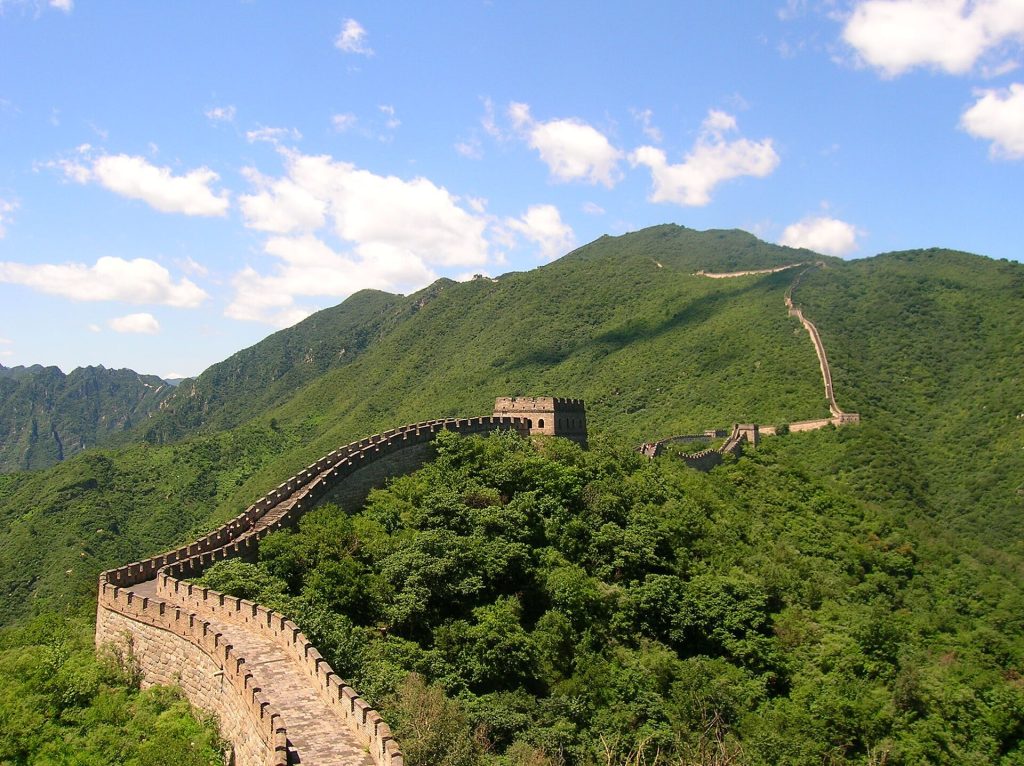
Standing on the Great Wall of China is a non-negotiable experience for any trip to Beijing. But the wall isn’t a single continuous structure you simply walk up to—it is divided into distinct, manageable “sections,” each offering a radically different experience. For late 2026 and 2027 planners, choosing between the “big three” accessible from the capital boils down to your tolerance for crowds, desire for adventure, and time constraints.
Quick decision: which Great Wall section fits your trip
If you want the immediate bottom line for your trip:
Choose Mutianyu if: You want the best all-around experience. It strikes the perfect balance of stunning restored architecture, moderate crowds, excellent tourist facilities, and fun activities (like the toboggan). It is the default recommendation for most international travelers.
Choose Badaling if: You are short on time, prioritizing absolute ease of transport (via the high-speed rail), or traveling with guests who require wheelchair-friendly, flat sections. Just be prepared for peak domestic crowds.
Choose Simatai if: You want a rugged, authentic hiking challenge, or you specifically want to experience the Wall illuminated at night. It pairs seamlessly with an overnight stay at the adjacent Gubei Water Town.
Mutianyu vs Badaling vs Simatai comparison
| Feature | Mutianyu | Badaling | Simatai |
|---|---|---|---|
| Vibe | Balanced, expat-favorite, scenic | Iconic, monumental, very crowded | Wild, steep, historic |
| Restoration | Fully restored | Fully restored | Mostly original / un-restored |
| Crowd Level | Moderate | Very High | Low |
| Distance from Beijing | ~73 km (1.5 – 2 hours) | ~70 km (1 – 1.5 hours) | ~120 km (2 – 2.5 hours) |
| Accessibility | Moderate (some steep stairs) | High (cable cars and flat areas) | Low (very steep, rugged terrain) |
| Cost Profile | Moderate | Budget-Friendly | Premium (often bundled with Gubei) |
| Special Feature | Toboggan slide down | High-speed train station right there | Night tours with illumination |
Crowds, first-timers, and photo expectations
For first-timers, the visual impact of the Wall is paramount.
Badaling offers those sweeping, iconic postcard views you’ve seen in history books, with dramatically rising and falling battlements. However, it is the most popular section for domestic tour groups. If you visit on a weekend or holiday, the crowds can make getting a clean photo nearly impossible. If you must go here, read our Badaling Great Wall guide for tips on timing your visit to avoid the massive holiday rushes.
Mutianyu is the photographer’s darling. Because it is slightly less convenient by public transit than Badaling, it filters out the heaviest domestic crowds. You can easily find stretches of the wall to yourself here, especially if you hike past watchtower 20. The lush green mountains and winding ridges make for spectacular wide-angle shots.
Simatai is for the adventurer’s lens. The crumbling, wild aesthetic of the unrestored bricks clinging to razor-sharp ridges provides a moody, historic feel that the heavily restored sections can’t match.
Cable cars, toboggans, and hiking difficulty
How you get up (and down) the mountain is half the fun.
Mutianyu: Offers a closed-cabin cable car to the highest points, and an open-air chairlift to the mid-points. The absolute highlight for many is the toboggan slide—a winding metal chute you ride down on a wheeled sled from Watchtower 6. It’s safe, entirely user-controlled (you have a brake), and incredibly fun.
Badaling: Features a high-capacity closed cable car and a pulley car. Because the infrastructure here is designed for massive volume, the ascent is incredibly efficient. It also offers the most accessible paths for strollers or wheelchair users once at the top.
Simatai: Features a modern cable car, but be warned: even after taking the cable car, you still face a strenuous 20-30 minute hike up steep, uneven terrain just to reach the Wall itself. Hiking Simatai is a genuine physical workout, requiring good footwear and stamina.
Transport time, cost bands, and logistics from Beijing
Getting to the Wall has gotten much easier, but your budget and patience will dictate your route.
Budget & Public Transit:
Badaling is the undisputed king of cheap, fast transit. You can take a direct high-speed train from Beijing Qinghe Railway Station directly to the Badaling station in about 20-30 minutes. Navigating the stations is easy if you follow our guide on the Beijing subway for foreigners.
Moderate & Convenience:
For Mutianyu, the easiest mid-budget option is booking a seat on one of the dedicated tourist buses (like the Mubus) that leave from central Beijing. It takes about 1.5 to 2 hours.
Premium & Private:
If you want ultimate flexibility for any section—especially the further-flung Simatai—hiring a private driver for the day is the best move. Alternatively, you can use ride-hailing apps, though getting back can sometimes require coordination. Review how to use Didi for foreigners to check qualitative fare estimates and ensure your app is linked to your international card before you leave the city limits.
Night wall, autumn colour, and when to go
Timing your visit dictates what you’ll see. Mid-to-late October is the absolute peak time to visit the Wall due to the spectacular autumn foliage. The mountains turn vibrant shades of red, orange, and gold. If you are planning a fall trip, our Mutianyu Great Wall autumn guide covers the exact weeks the leaves typically peak.
If you want a truly unique experience, consider an evening visit. Simatai is the only section currently open for regular night tours. The wall is illuminated by soft lights, tracing a glowing spine over the mountains. To plan this, check out our Simatai Great Wall hiking guide, as night access is heavily regulated and usually requires a bundled ticket with Gubei Water Town.
How to fit the Wall into a 3–5 day Beijing plan
Integrating a Great Wall trip requires dedicating at least a half-day (for Badaling) or a full day (for Mutianyu/Simatai).
If you are following a standard Beijing first visit guide 2026, slot your Great Wall day in the middle of your trip—giving you a break from the dense urban center of the Forbidden City and Temple of Heaven.
Day 1: Arrive, explore Wangfujing or Sanlitun.
Day 2: Imperial Beijing (Forbidden City, Jingshan Park).
Day 3: Great Wall Day Trip (Mutianyu recommended).
Day 4: Summer Palace & Hutong wandering.
If you have more time and love the outdoors, you might even consider skipping the immediate Beijing borders entirely and exploring the wilder stretches out west. See our guide to Zhangjiakou travel and Great Wall sections for a truly off-the-beaten-path alternative.
To easily map this out and shuffle your days around, you can use our interactive China itinerary builder tool.
FAQ
Can I visit two sections of the Great Wall in one day?
It is technically possible to visit Mutianyu and a nearby wild section (like Jiankou) in one day if you hire a private driver, but it is exhausting. It is not recommended to try and combine Badaling and Simatai, as they are on opposite sides of northern Beijing.
Do I need a guide for the Great Wall?
No. Badaling and Mutianyu are highly commercialized with English signage. However, a guide is helpful for handling the logistics of transport, tickets, and giving historical context.
Are there bathrooms on the Wall?
There are well-maintained, modern restrooms at the tourist centers at the base of all three sections. However, once you are actually up on the wall, facilities are extremely limited or non-existent. Go before you ascend.
What should I wear?
Dress in layers. It is often much windier and colder on the exposed ridges of the Wall than in downtown Beijing. Wear proper walking shoes with good grip—the stone steps are notoriously uneven and can be slippery.