Beijing has two main international gateways that confuse first-timers before they even see the Forbidden City: Capital International Airport (PEK) to the northeast of the centre, and Daxing International Airport (PKX) to the south. Your ticket may say “Beijing” while your brain still assumes one airport. The ride into town is manageable—if you know which system you landed in and how late you arrived.
This is an airport-to-city planner for foreigners headed toward central hotel clusters around Wangfujing, Sanlitun, and Guomao. It describes patterns—Airport Express / metro / taxi / Didi—without treating any 2026 fare screenshot as eternal gospel. Always read the price on the machine or app for your day. For what to do after you unpack, use the Beijing first-visit guide. Broader landing tips sit in airport arrival for foreigners.
Which airport did you actually book?
Check the IATA code on your booking: PEK vs PKX. Airlines and alliances split flights across both. Transfers between Capital and Daxing are long enough that you should not schedule tight same-day international connections without airline through-check guidance.
If a friend is picking you up, send them the correct airport name in Chinese from your booking—do not only say “Beijing airport.”
Capital Airport (PEK): typical ways into town
Capital has multiple terminals; follow signs for your arrival terminal’s ground transport. Common patterns:
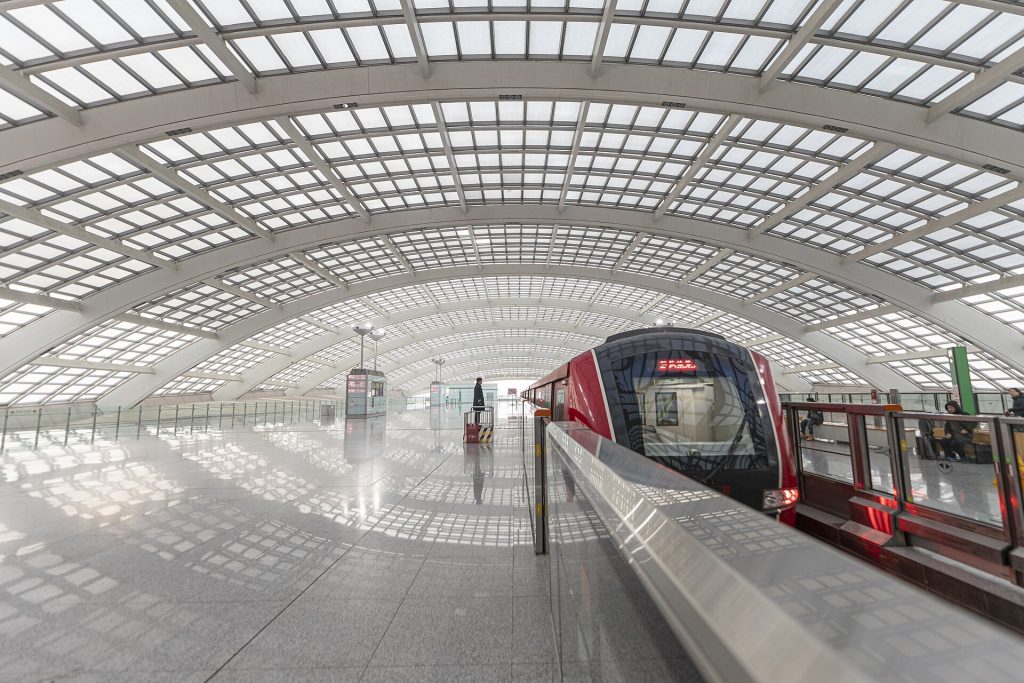
Airport Express rail. A dedicated express connects the airport area toward the city metro network. It is popular with travellers who have moderate luggage and daytime energy. You will usually transfer to the wider metro to reach Sanlitun or Wangfujing precisely—budget walking and one change. Buy tickets at machines or service counters; foreign cards and mobile pay acceptance vary by machine—have WeChat/Alipay and a little cash ready.
Metro combinations. Depending on terminal and works, metro links may complement or substitute parts of the journey. Check current maps on official metro apps or station boards on the day—lines evolve.
Taxi. Official taxi queues sit outside arrivals. Use the queue, not lobby touts. Show your hotel’s Chinese address. Traffic into the northeast and east districts can be heavy at peak hours; late-night rides may feel longer on darker expressways but sometimes move faster than evening rush.
Didi. If your app and payments work after data is online, Didi can be clearer on price than a meter you cannot read. Pickup points at large airports are easy to miss—follow in-app pin instructions exactly.
Daxing Airport (PKX): typical ways into town
Daxing is architecturally striking and geographically south. Plan extra time compared with a fantasy “airport next to downtown.”
Daxing Airport Express / rail links. Dedicated express services connect toward the city metro. Follow bilingual signs for rail after baggage claim. As with Capital, expect a metro transfer for many hotel doors.
Taxi / Didi. Distances to Sanlitun or Wangfujing are substantial; the fare and time reflect that. Do not compare mentally to a short Hong Kong or Singapore airport ride. Confirm the destination address in Chinese.
Buses. Airport buses serve various city stops; useful with luggage if your hotel is near a published terminus. Schedules thin out late—verify on official boards.
Choosing by hotel cluster
Wangfujing / East Chang’an area. Central sightseeing base for Forbidden City and nearby avenues. From either airport, rail-plus-metro or car both work; with heavy suitcases after a long-haul flight, many visitors simply ride-hail.
Sanlitun. Embassies, dining, nightlife-east vibe. Metro access is good once you reach the city lines; from the airport, car or express-plus-metro are both common.
Guomao / CBD. Business hotels and towers. Metro coverage is strong; peak-hour road traffic can stall.
If your hotel offers a paid pickup, compare it with Didi’s quote after you have data—not before you know the app works.
Luggage and late-night honesty
Huge suitcases + stair transfers + last metro timing = misery. If you land after metro frequencies drop, do not force a clever rail itinerary you read on a lunchtime blog. Take a licensed taxi or Didi from the official pickup zone.
Keep a power bank in your personal item. QR tickets and maps die with your phone. A modest cash amount covers an unexpected taxi if wallets fail on night one.
Payments and tickets for foreigners
- Mobile pay covers many machines and kiosks when set up
- Some ticket machines are finicky with foreign cards—shift to staff windows
- Transport cards exist for multi-day metro use; decide after you sleep
- Keep passport handy; random checks are uncommon in daily metro use but possible in wider travel
Timing expectations (without fake clocks)
Rush hours around weekday mornings and evenings stretch car journeys. Rail can be more predictable when it is running to your line. Winter weather in late October and November can slow road traffic; build buffer before dinners or shows on arrival day. Aim for a low-ambition first evening: hotel, meal, SIM/payment test, sleep.
PEK vs PKX decision tips for future bookings
If you already hold tickets, skip regret and follow the matching section above. When you still have a choice:
- Prefer the airport your airline operates with better timings for your hotel side of town
- Avoid same-day PEK↔PKX self-transfers unless you enjoy long cross-city travel
- Read terminal numbers—Capital transfers between terminals can add time
Connecting to the rest of your Beijing plan
Once rested, use the Beijing first-visit guide for Forbidden City timing, hutong walking, and Great Wall section choices. If onward high-speed rail awaits, leave airport-to-station connections loose on day one; Beijing stations are their own puzzle.
FAQ
Is Daxing “too far” for tourists?
It is farther from classic central hotel belts than many travellers expect, but express rail and cars make it routine. Budget time, not panic.
Can I use the metro with luggage?
Yes if you can lift bags through gates and escalators. If not, take a car.
Do Airport Express trains run all night?
Frequencies and span change—check official boards or apps on arrival rather than memorising an old timetable.
Should I pre-book a private transfer?
Useful for families, late flights, or heavy luggage. Compare with Didi once payments work; use licensed providers only.
Where do I verify live transport info?
Official airport and metro information boards/apps on the day, plus hotel Chinese addresses from your booking.
Bottom line
Capital and Daxing are both workable international gateways; they are not interchangeable on a tight clock. Match PEK or PKX to express/metro or taxi/Didi based on luggage and hour, keep payments and data alive, and aim your first ride toward a clear Chinese hotel address in Wangfujing, Sanlitun, or Guomao. Unpack, then let the Beijing hub take over.