Stepping into a bustling Shanghai steamed-dumpling house for the first time can feel delightfully intimidating. Clouds of white steam rise from towering bamboo baskets, the clatter of porcelain spoons fills the air, and locals order with lightning-fast fluency. For an English-speaking traveller or expat landing in Shanghai as the crisp late-autumn breeze sets in for November and December 2026, ordering xiaolongbao (soup dumplings) doesn’t have to be a guessing game. Mastering the ordering flow—from navigating the menu to pairing your condiments and executing the legendary “nibble, sip, eat” technique—transforms a potentially stressful meal into an unforgettable culinary ritual.
The Ordering Flow: From Entrance to Table
Navigating a local Shanghainese dumpling shop or a modern regional chain requires a structured, calm approach. While high-end hotel restaurants offer English menus and table service, neighborhood institutions and popular casual chains follow a distinct rhythm.
Scan for the Ordering Station: Upon entering, look for a dedicated cash register or ordering counter. Many neighborhood spots require you to pay upfront and receive a paper slip or a plastic token before sitting down.
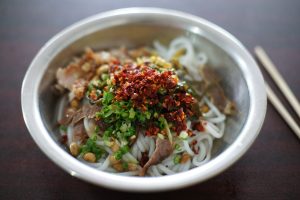
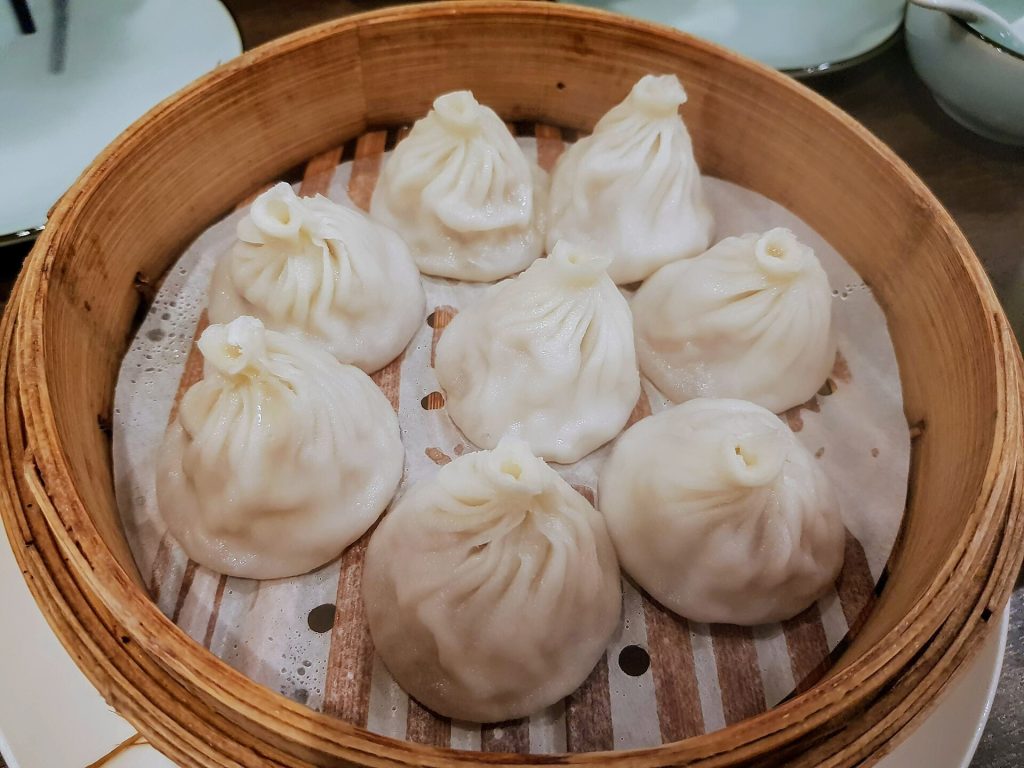
Master the Portion Mindset: A standard order of xiaolongbao typically comes in a steamer basket (long) containing six or eight dumplings. If you are dining solo, one basket paired with a side dish—such as Shanghai scallion oil noodles—is usually sufficient. If you are exploring with a companion, order two different varieties (such as classic pork and crab-roe) to share.
Seating Etiquette: During peak lunch and dinner hours, seating is communal and fast-paced. It is entirely normal to share a table with strangers. Politely nod, take your seat, and place your paper order slip on the edge of the table for the roaming floor staff to collect.
For a broader orientation to the city’s neighborhoods and transport systems as you map out your culinary itinerary, review the Shanghai first-visit master guide.
Crafting Your Condiment Plate
Once your table is secured, your attention should turn to the condiment station. Getting your vinegar-to-ginger ratio right is an essential rite of passage.
Pro Tip: Never drown your dumplings in vinegar. The goal is to complement the rich pork broth inside, not overpower it with acidity.
The Ginger Foundation: Scoop a generous portion of finely julienned fresh ginger onto your small dipping saucer. Ginger provides a sharp, warming contrast to the rich, savory pork fat.
The Vinegar Balance: Pour Shanghainese Chinkiang black vinegar over the ginger until it pools slightly around the base, maintaining a ratio where ginger remains the dominant physical bulk.
Chili Options: If you prefer heat, add a spoonful of local chili oil or paste from the communal jar, though traditionalists often skip chili to let the delicate umami shine through.
To dive deeper into the nuances of regional soup dumplings, bookmark the Shanghai xiaolongbao first-timers hub for your offline reading.
The Three-Step Technique: Nibble, Sip, Eat
Eating a soup dumpling without burning your tongue or bursting the wrapper requires patience and precision. Never pop a whole dumpling straight into your mouth; the broth inside can easily reach scalding temperatures.
The Lift: Gently pick up a dumpling by its folded topknot using your chopsticks. The skin is delicate, so avoid squeezing the sides too tightly, or the soup will escape into your spoon before you are ready.
The Transfer and Nibble: Transfer the dumpling safely onto your soup spoon. Take a tiny nibble off the top fold to create a small steam vent.
The Sip and Eat: Allow a few seconds for the steam to dissipate, then gently tilt the spoon and sip the rich, savory broth. Once the liquid is safely consumed, dip the remaining dumpling into your ginger-vinegar mixture and enjoy it in one or two bites.
Digital Payment and Modern Convenience
Paying for your meal in Shanghai is overwhelmingly digital. Cash is technically accepted at older establishments, but WeChat Pay and Alipay are the standard expectations across the city.
Setup Checklist: Ensure your international credit card is successfully linked to your digital wallet application before leaving your accommodation.
Scanning at the Table: Modern casual chains often feature a QR code sticker affixed to the table. Scan it with your phone, browse the digital menu (many include photo translations), select your items, and complete the digital checkout seamlessly.
Verification: If you are relying on mobile data or local transport apps during your food-seeking expeditions, verify your connection and app permissions ahead of time, especially when navigating transit hubs or historic alleyway eateries.
FAQ
How do I know if a restaurant specializes in freshly made xiaolongbao?
Look near the front entrance for a glass-enclosed prep station where staff members are actively rolling dough, portioning minced pork fillings, and pleating dumplings by hand at lightning speed. Freshly folded dumplings cooked to order have a translucent, supple skin that holds its shape without tearing easily.
Can I order half-portions if I want to try multiple flavors?
Most traditional shops and casual chains sell xiaolongbao strictly by the full steamer basket. If you want to sample different varieties—such as pure pork versus pork-and-crab—without overeating, consider visiting with a friend so you can order one basket of each to share across the table.
What should I do if the restaurant does not have an English menu?
Do not panic. Many local neighborhood gems rely entirely on Chinese characters on wall menus or QR ordering systems. Use the camera translation feature on your smartphone to hover over the text, or simply look at neighboring tables, point to what looks appetizing, and hold up fingers to indicate your desired number of baskets.
Related Lovely China reading
For payments, start with Alipay and WeChat Pay hub and WeChat Pay vs Alipay for tourists. For trains, keep high-speed rail first-timers guide and 12306 passport signup for foreigners handy. City hubs: Beijing first-visit guide, Shanghai first-visit guide. Connectivity: roaming vs local SIM honest guide, pocket Wi-Fi vs eSIM for China, offline maps for foreigners. Bookmark China travel tools page.
Practical checklist
- Confirm official rules on the relevant government, park, airline, or bank page near your travel week
- Screenshot bookings, tickets, and QR codes while you still have stable Wi-Fi
- Save hotel and attraction names in Chinese characters in your phone notes
- Carry passport, a backup payment method, and a small cash float (why cash is still needed)
- Test one small mobile payment before you rely on wallets at a gate or taxi
- Keep the China travel tools page page bookmarked for related Lovely China hubs
FAQ
Is this food advice official?
No. Lovely China orients travellers. Verify live rules on official pages, apps, and counters near your travel week.
Will every city behave the same?
No. Airports, stations, parks, and markets differ. Use local signage and staff instructions when they conflict with a general guide.
What should I screenshot before I lose Wi-Fi?
Bookings, tickets, hotel Chinese address, pickup pins, and payment success screens.
Notes for late 2026 travellers
November and early December bring cooler mornings, earlier sunsets, and comfortable walking weather across much of eastern and central China. Pack layers and leave extra time on clear weekends at popular sights.
This article does not invent ticket prices, opening hours, processing times, consular fees, or official statistics. When a number matters, verify it on the official site, app screen, or ticket board near your travel week.
If an official rule page disagrees with this guide, follow the official page. Lovely China orients English-speaking travellers; we are not an immigration, banking, or medical authority.