Steaming, savory, and wonderfully swift, Guilin rice noodles (Guilin mifen) rank among China’s most iconic street-level breakfasts and lunches. For travellers and expats stepping into a local noodle shop in Guangxi for the first time, however, the process can feel slightly daunting. Between choosing your noodle style, navigating self-serve topping stations, and dealing with bustling crowds, ordering can easily trigger minor anxiety. This practical guide walks you through everything you need to know to order, customize, and eat Guilin rice noodles like a seasoned local without any awkward missteps.
Understanding the Two Core Styles: Broth vs. Dry
Before you step up to the counter, you need to make the foundational choice of your meal: do you want your noodles wet or dry? Unlike many Western noodle soups that arrive pre-assembled, Guilin rice noodles are traditionally categorized into two main presentations.
Dry Mix (Mifen or Ganban)
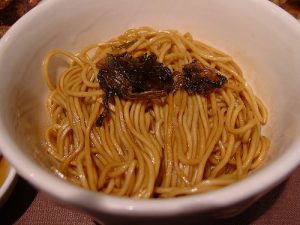
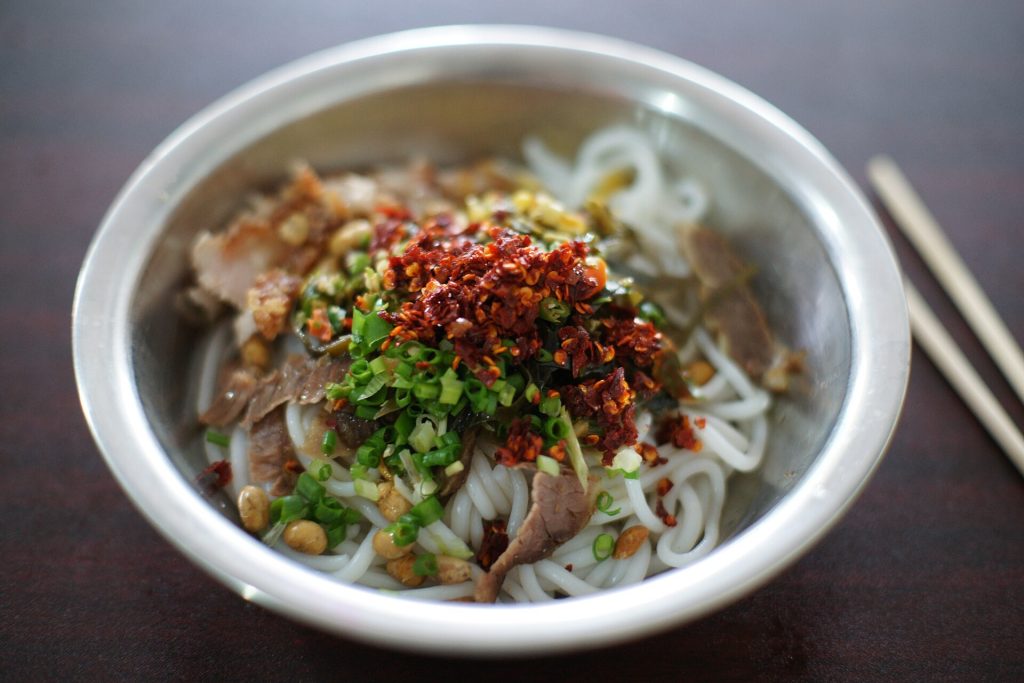
The dry version is arguably the most popular local way to eat them, especially for breakfast. You receive a bowl of thick, smooth, round rice noodles topped with slices of crispy pork or beef, roasted peanuts, and a concentrated, deeply savory gravy or marinade. The technique here is all about the sauce clinging to every strand.
Broth Style (Tangfen)
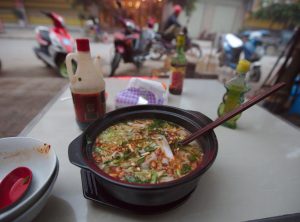
If you prefer a warming, soup-heavy dish—particularly appealing during crisp November and December mornings in southern China—you can request the broth variant. Here, the noodles swim in a rich, slow-simmered bone broth (usually pork and beef bones infused with dozens of medicinal herbs and spices). It is lighter, deeply comforting, and less intensely salty than the dry version’s concentrated gravy.
How Counter Shops Work: Step-by-Step
Guilin noodle shops operate on high-efficiency, fast-casual systems designed to feed a relentless stream of hungry diners. Follow this operational checklist to keep the line moving smoothly:
Queue and Pay: Join the line at the front counter. If you need a refresher on standard waiting behavior, brush up on queue etiquette for foreigners. State your preference (dry or soup) and your choice of meat toppings (such as luoshifen beef, sliced pork, or mixed meats).
Payment Methods: Most local spots rely entirely on mobile transactions. Ensure your setup is ready by checking the Alipay and WeChat Pay hub. While digital payments dominate, carrying a small backup note is wise—review why cash is still needed for tips on handling legacy currency at tiny mom-and-pop stalls.
Collect Your Ticket or Bowl: The cashier will hand you a plastic token or a paper receipt. For dry noodles, they will often hand you an empty bowl with the noodles and meat already inside. For soup noodles, they may direct you straight to the kitchen window.
The Self-Serve Condiment Station: This is where the magic happens. Before sitting down, you will encounter a large central counter laden with communal jars.
Navigating the Topping and Spice Station
The bare noodles and meat from the counter are only the canvas; the flavor profile is entirely up to you at the condiment bar.
Pickles and Crunches
Traditional Guilin noodle bars offer a dazzling array of free-add elements. Look for sour cowpeas (suijiao), pickled bamboo shoots, sliced pickled radishes, and roasted peanuts. Locals pile these high onto their bowls. They provide a vital textural crunch and a sharp, lactic acid tang that cuts through the rich meat fats.
Managing the Spice
Guilin cuisine loves heat, but unlike the fiery, tongue-numbing Sichuan style (similar to what you might encounter reading up on Chongqing xiaomian first-timers), Guilin chili oil (layou) is aromatic and warming. If you are sensitive to spice, start with a tiny spoonful or skip the chili oil entirely, relying instead on fresh chopped scallions, cilantro, and garlic water (suanshui) to build flavor.
Etiquette and Dining Mechanics
Once your bowl is fully customized, find an open table (sharing tables with strangers during peak hours is completely normal and expected).
The Eating Technique: Use your chopsticks to thoroughly mix the dry noodles, gravy, and toppings together before your first bite so the flavors distribute evenly. If you are still mastering your grip, remember the basics outlined in chopsticks etiquette for foreigners—never stick your chopsticks vertically upright into the bowl.
The Broth Follow-Up: If you ordered the dry style, most shops provide a complimentary, self-serve kettle or bucket of clear, piping-hot bone broth near the condiment station. Once you finish your noodles and meat, locals traditionally pour a ladle of this plain broth directly into the remaining remnants of gravy in the bowl to create a flavorful finishing soup.
FAQ
Can I ask for my noodles to be made less spicy or non-spicy?
Yes. While Guilin rice noodles are not inherently burning hot by default, the chili oil is usually added at the condiment bar by you, meaning you can easily keep the dish completely non-spicy. If the kitchen adds a base chili paste automatically, you can point to the bowl and say “bu yao la” (no spice) when ordering.
What meat toppings are standard if I cannot read the menu?
The most common and classic option is guanshaorou (sliced roasted pork) or niurou (beef). If you eat a plant-based diet, finding a truly vegetarian broth can be challenging in specialized meat-broth shops, so checking ingredient bases ahead of time is recommended.
How do I ask for a refill of noodles?
Unlike some Western dining concepts, standard noodle bowls in Guilin do not come with free infinite refills. If you are still hungry after finishing your first portion, you can walk back to the counter, hold up one finger or say “jia fen” (add noodles), and pay a small additional fee for a second portion (liangfen).
Do noodle shops provide English menus?
Related Lovely China reading
For payments, start with Alipay and WeChat Pay hub and WeChat Pay vs Alipay for tourists. For trains, keep high-speed rail first-timers guide and 12306 passport signup for foreigners handy. City hubs: Beijing first-visit guide, Shanghai first-visit guide. Connectivity: roaming vs local SIM honest guide, pocket Wi-Fi vs eSIM for China, offline maps for foreigners. Bookmark China travel tools page.
Practical checklist
- Confirm official rules on the relevant government, park, airline, or bank page near your travel week
- Screenshot bookings, tickets, and QR codes while you still have stable Wi-Fi
- Save hotel and attraction names in Chinese characters in your phone notes
- Carry passport, a backup payment method, and a small cash float (why cash is still needed)
- Test one small mobile payment before you rely on wallets at a gate or taxi
- Keep the China travel tools page page bookmarked for related Lovely China hubs
FAQ
Is this food advice official?
No. Lovely China orients travellers. Verify live rules on official pages, apps, and counters near your travel week.
Will every city behave the same?
No. Airports, stations, parks, and markets differ. Use local signage and staff instructions when they conflict with a general guide.
What should I screenshot before I lose Wi-Fi?
Bookings, tickets, hotel Chinese address, pickup pins, and payment success screens.
Notes for late 2026 travellers
November and early December bring cooler mornings, earlier sunsets, and comfortable walking weather across much of eastern and central China. Pack layers and leave extra time on clear weekends at popular sights.
This article does not invent ticket prices, opening hours, processing times, consular fees, or official statistics. When a number matters, verify it on the official site, app screen, or ticket board near your travel week.
If an official rule page disagrees with this guide, follow the official page. Lovely China orients English-speaking travellers; we are not an immigration, banking, or medical authority.