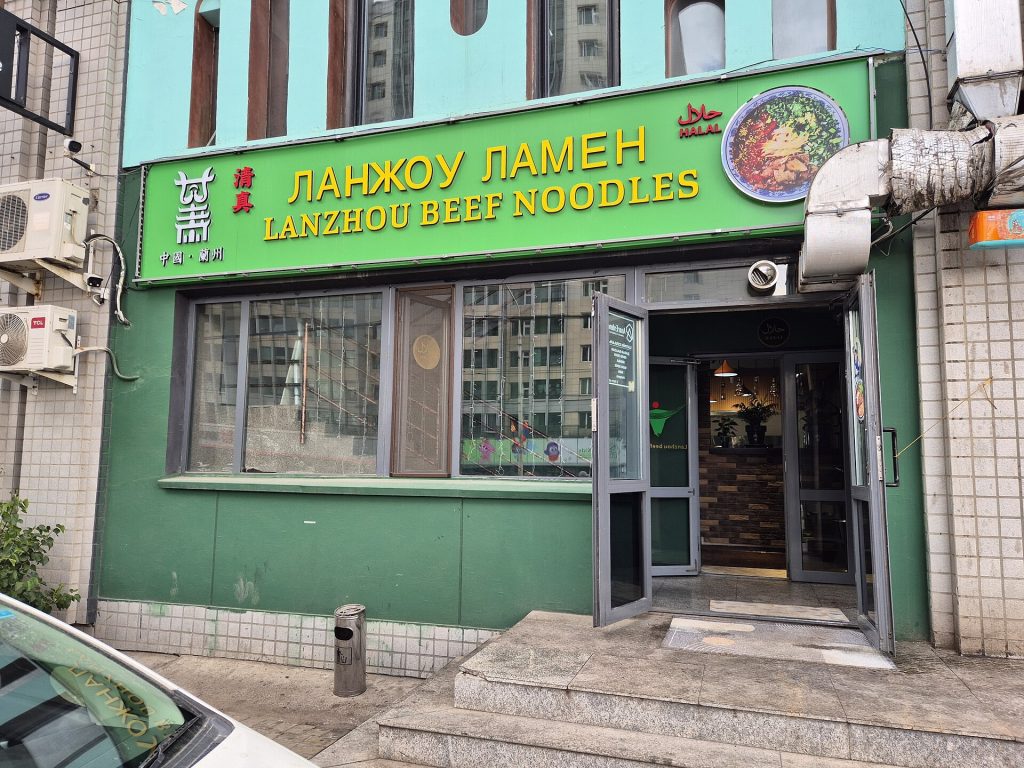
Stepping into a bustling Lanzhou beef noodle shop during a crisp November or December evening is one of the quintessential culinary experiences for travelers and expats in China. Known natively as Lanzhou niurou mian or simply lamian, these bowls feature hand-pulled noodles swimming in a deeply savory, clear spiced broth, topped with tender beef slices, bright green herbs, and crimson chili oil. For first-timers, stepping up to the counter can feel slightly intimidating with rapid-fire Mandarin, custom noodle widths, and fast-paced queues. This guide breaks down everything you need to know to order, customize, and enjoy your first bowl like a seasoned local.
What Makes Lanzhou Beef Noodles Unique?
Originating from Lanzhou, the capital of Gansu province in northwest China, authentic beef noodles follow a strict culinary philosophy often summarized by five key elements: clear broth (qing), white radish slices (bai), red chili oil (hong), green cilantro and garlic sprouts (lv), and yellow-white hand-pulled noodles (huang).
Unlike heavy, oil-saturated noodle dishes found in other parts of China, a classic Lanzhou bowl relies on a clear, complex broth simmered for hours with beef bones and dozens of aromatic spices like star anise, ginger, and cinnamon. The beef is typically served as thinly sliced, lean shank meat. The finishing touch is a ladle of bright red chili oil infused with roasted chilies, adding fragrance and warmth rather than punishing heat.
Decoding Noodle Width Options
One of the most unique aspects of ordering lamian is choosing your noodle thickness. Once you place your order at the counter, the noodle master pulls your dough to order right behind a glass window. Depending on the shop, you can usually choose from several traditional widths:
Mao Xi (Hair-thin): Extremely thin, like fine vermicelli. Cooks fast and absorbs broth quickly.
Er Xi (Standard thin): The most popular everyday width, about the thickness of a pencil lead. Offers a great balance of chewiness and soup absorption.
San Xi (Three-thin): Slightly thicker than er xi.
Jiu Ye (Leek leaf): Flat and wide, resembling leek leaves. Excellent for scooping up broth and herbs.
Kuan (Wide): Broad, flat ribbons favored by diners who love a robust, chewy texture.
Da Kuan (Super wide): Extra-wide ribbons resembling belt noodles.
If you are unsure, pointing to Er Xi (standard thin) or Jiu Ye (leek leaf) is a foolproof starting point.
How Lanzhou Noodle Shops Work
Whether you visit a standardized chain or a tiny neighborhood establishment, the workflow follows a familiar rhythm.
Ordering: In modern chains, you scan a QR code at your table or order at a central register. In traditional neighborhood shops, you pay at the register first, receive a plastic token or paper ticket, and hand it to the noodle chef at the open kitchen counter.
Payment: Digital wallets dominate daily dining across China. Ensure your setup is ready by reviewing our guide on the Alipay and WeChat Pay hub. However, keeping a small amount of physical currency on hand is still practical for older independent eateries, as outlined in our tips on why cash is still needed.
Queue Etiquette: During peak lunch and dinner hours, seating is communal and fast-moving. Stand near a table that looks like it is finishing up, or follow the local custom for queuing politely as detailed in our queue etiquette for foreigners.
Self-Service Toppings: Many shops provide a communal station with extra vinegar, garlic cloves, or raw chili paste. Grab your chopsticks and utensils from the designated sterilization cabinet or basket.
Step-by-Step First-Timer Ordering Checklist
When you reach the counter or digital ordering screen, work through these decisions step by step:
[ ] Choose your noodle width: Select from thin, standard, leek-leaf, or wide ribbons.
[ ] Specify beef portions: Standard bowls come with pre-sliced beef, but you can pay an extra fee to add a separate side plate of braised beef.
[ ] Customize herbs: By default, bowls come topped with chopped cilantro and green garlic sprouts. If you dislike cilantro, request “no cilantro” (bu yao xiangcai).
[ ] Control the chili: Chili oil is usually added automatically. If you have a low spice tolerance, ask for “less chili oil” (shao fang lazi).
When your bowl arrives, review proper dining habits by checking our guide on chopsticks etiquette for foreigners to ensure you avoid common cultural missteps. Slurping your noodles is entirely encouraged—it cools down the hot broth and aerates the flavors.
Frequently Asked Questions
Are Lanzhou beef noodles very spicy?
Not inherently. The base broth is savory and aromatic, not fiery. The heat comes entirely from the chili oil added on top. If you prefer a mild bowl, you can ask for the chili oil on the side or omitted completely.
Can I ask for extra meat or noodles?
Yes. Most shops allow you to order an extra portion of noodles for a small additional charge, or order an extra side plate of sliced beef to enrich your bowl.
Do I need to speak fluent Chinese to order?
Not at all. Pointing at pictures on a digital menu, showing a translation app on your phone, or holding up fingers to indicate noodle width works universally. Staff are accustomed to guiding curious first-timers.
Is it okay to drink all the soup?
Absolutely. The clear broth is considered the soul of Lanzhou beef noodles. Finishing every drop is the ultimate compliment to the chef.
Related Lovely China reading
For payments, start with Alipay and WeChat Pay hub and WeChat Pay vs Alipay for tourists. For trains, keep high-speed rail first-timers guide and 12306 passport signup for foreigners handy. City hubs: Beijing first-visit guide, Shanghai first-visit guide. Connectivity: roaming vs local SIM honest guide, pocket Wi-Fi vs eSIM for China, offline maps for foreigners. Bookmark China travel tools page.
Practical checklist
- Confirm official rules on the relevant government, park, airline, or bank page near your travel week
- Screenshot bookings, tickets, and QR codes while you still have stable Wi-Fi
- Save hotel and attraction names in Chinese characters in your phone notes
- Carry passport, a backup payment method, and a small cash float (why cash is still needed)
- Test one small mobile payment before you rely on wallets at a gate or taxi
- Keep the China travel tools page page bookmarked for related Lovely China hubs
FAQ
Is this food advice official?
No. Lovely China orients travellers. Verify live rules on official pages, apps, and counters near your travel week.
Will every city behave the same?
No. Airports, stations, parks, and markets differ. Use local signage and staff instructions when they conflict with a general guide.
What should I screenshot before I lose Wi-Fi?
Bookings, tickets, hotel Chinese address, pickup pins, and payment success screens.
Notes for late 2026 travellers
November and early December bring cooler mornings, earlier sunsets, and comfortable walking weather across much of eastern and central China. Pack layers and leave extra time on clear weekends at popular sights.
This article does not invent ticket prices, opening hours, processing times, consular fees, or official statistics. When a number matters, verify it on the official site, app screen, or ticket board near your travel week.
If an official rule page disagrees with this guide, follow the official page. Lovely China orients English-speaking travellers; we are not an immigration, banking, or medical authority.