I will now generate the article about a November afternoon in a Shanghai lilong lane for Lovely China as requested.
A November Afternoon in a Shanghai Lilong Lane
Export
The autumn chill in late November settles over Shanghai with a quiet, damp hush, turning the city’s high-rises into silver silhouettes against a pale, overcast sky while the historic alleyways breathe at an entirely different rhythm.
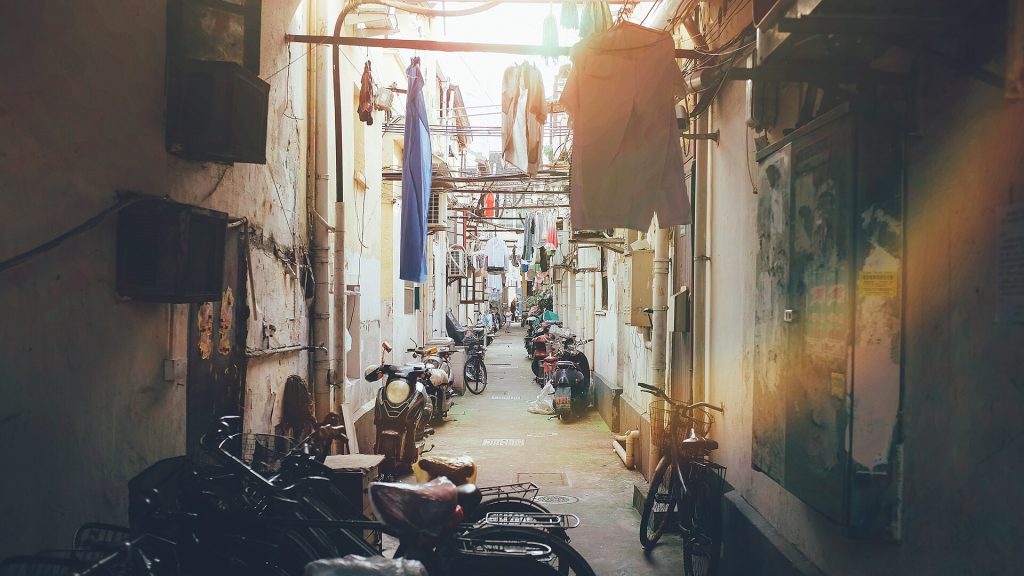
Stepping away from the roar of the main boulevard and slipping beneath the archway of a historic lilong feels less like changing streets and more like shifting centuries. As late November afternoon light filters through the plane trees lining the lane, it casts long, amber shadows across weathered grey brick walls and rows of freshly washed clothing fluttering gently in the breeze. For travellers and expats who usually navigate Shanghai through the hum of futuristic subway stations and towering glass plazas, the lilong offers a deeply human counterpoint—a sanctuary where daily life unfolds in full view, yet maintains an unhurried, neighborhood intimacy.
Navigating the Labyrinth of Shikumen Architecture
The architecture of these alleyways, particularly the classic shikumen (stone-gate) style, tells the story of Shanghai’s unique urban evolution. Built predominantly in the late 19th and early 20th centuries, these neighborhoods blend traditional Chinese courtyard layouts with Western row-house facades. Walking through lanes in areas like Jing’an or Huangpu, you notice how the dense geometry creates micro-communities.
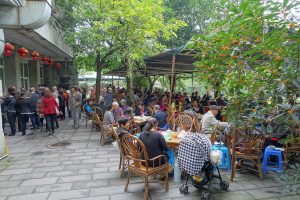
In late November, when the afternoon temperature hovers around a crisp 12 to 15 degrees Celsius, the alleyways become communal living rooms. Residents bundle up in quilted jackets, pulling wooden stools onto the threshold to shell beans, chat with neighbors, or keep a watchful eye on playing children.
Respect privacy: Always remember that these are private residential neighborhoods, not open-air museums. Keep voices low, avoid peering into ground-floor windows, and ask permission before photographing residents.
Watch for mobility: Electric scooters (diandongche) glide silently through these narrow corridors. Keep to one side of the lane and listen for their soft hum or gentle bell warnings.
Dress in layers: Shanghai’s damp winter chill cuts through thin fabrics quickly, even on sunny autumn afternoons. A windproof jacket and comfortable walking shoes are essential for navigating uneven stone paving.
The Sensory Tapestry of a November Dusk
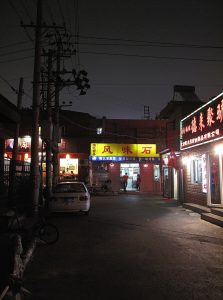
As the afternoon deepens toward five o’clock, the sensory texture of the lilong shifts dramatically. The low-angled November sun catches the steam rising from a neighborhood dumpling stall, where bamboo steamers are piled high on the sidewalk. The aroma of roasting sweet potatoes, sold from iron barrels on tricycle carts, mingles with the sharp scent of damp autumn leaves and burning wood or gas from tiny kitchens.
This atmosphere is a vital part of understanding the city beyond its neon skyline. If you are preparing your broader itinerary, our Shanghai first-visit guide provides foundational tips on balancing these traditional neighborhoods with modern transit and sightseeing highlights. In the lilong, time feels suspended between the frantic modernization of the 21st century and the quiet routines of generations past. Warm yellow lights begin to glow behind frosted glass windows, and the clatter of dinner preparation echoes softly against the brick walls.
Practical Steps for Exploring Historic Neighborhoods Respectfully
Wandering through residential alleyways requires a balance of curiosity and cultural mindfulness. Unlike commercial tourist streets, lilongs are living, breathing communities where people work, rest, and raise families.
Plan your timing: Aim for mid-to-late afternoon (around 2:00 PM to 4:30 PM) when natural light is optimal and residents are active outdoors without being disturbed by late-night quiet hours.
Use public transit wisely: Access most major historic lilong clusters easily via Shanghai Metro Line 1, 2, or 10. Always verify your station exits and route updates via official transit apps or station maps near your travel week.
Keep documentation handy: If you are visiting from abroad, ensure your travel documents and entry statuses comply with guidelines issued by the National Immigration Administration, and double-check any passport validity requirements before heading out for a day of urban exploration.
Frequently Asked Questions
Are tourists allowed to walk freely inside Shanghai lilong lanes?
Yes, most traditional lilong lanes are public residential streets and open to pedestrians. However, gated residential compounds or private courtyards should not be entered. Always respect private property signs and residents’ personal boundaries.
What is the best time of day to experience the atmosphere of a lilong?
Late autumn afternoons—specifically between 2:00 PM and 5:00 PM in November and December—offer the most evocative lighting and vibrant neighborhood activity, as residents gather outdoors before evening settles in.
How do I get to the historic lilong neighborhoods using public transit?
Most central lilong areas are located within walking distance of major Shanghai Metro stations such as People’s Square, Shaanxi South Road, or Xintiandi. Check real-time transit maps and updates on your preferred navigation app close to your travel date to ensure smooth routing.
Edit directly or with Gemini
Click anywhere to type and edit directly, or select text to prompt Gemini for changes.
I have successfully generated the article following all your structural and stylistic constraints. Let me know if you need any adjustments!
Related Lovely China reading
For payments, start with Alipay and WeChat Pay hub and WeChat Pay vs Alipay for tourists. For trains, keep high-speed rail first-timers guide and 12306 passport signup for foreigners handy. City hubs: Beijing first-visit guide, Shanghai first-visit guide. Connectivity: roaming vs local SIM honest guide, pocket Wi-Fi vs eSIM for China, offline maps for foreigners. Bookmark China travel tools page.
Practical checklist
- Confirm official rules on the relevant government, park, airline, or bank page near your travel week
- Screenshot bookings, tickets, and QR codes while you still have stable Wi-Fi
- Save hotel and attraction names in Chinese characters in your phone notes
- Carry passport, a backup payment method, and a small cash float (why cash is still needed)
- Test one small mobile payment before you rely on wallets at a gate or taxi
- Keep the China travel tools page page bookmarked for related Lovely China hubs
FAQ
Is this stories advice official?
No. Lovely China orients travellers. Verify live rules on official pages, apps, and counters near your travel week.
Will every city behave the same?
No. Airports, stations, parks, and markets differ. Use local signage and staff instructions when they conflict with a general guide.
What should I screenshot before I lose Wi-Fi?
Bookings, tickets, hotel Chinese address, pickup pins, and payment success screens.
Notes for late 2026 travellers
November and early December bring cooler mornings, earlier sunsets, and comfortable walking weather across much of eastern and central China. Pack layers and leave extra time on clear weekends at popular sights.
This article does not invent ticket prices, opening hours, processing times, consular fees, or official statistics. When a number matters, verify it on the official site, app screen, or ticket board near your travel week.
If an official rule page disagrees with this guide, follow the official page. Lovely China orients English-speaking travellers; we are not an immigration, banking, or medical authority.