For a short China trip in late 2026, the payment question is less which app is best forever and more which wallet gets you through metro gates, noodle shops, and hotel deposits without drama. Both WeChat Pay and Alipay welcome many foreign cards, yet they still feel different day to day.
Pair this comparison with the WeChat Pay foreign card guide and Alipay setup for foreigners setup walkthroughs, and keep a little cash for edge cases in why cash is still needed.
The short answer
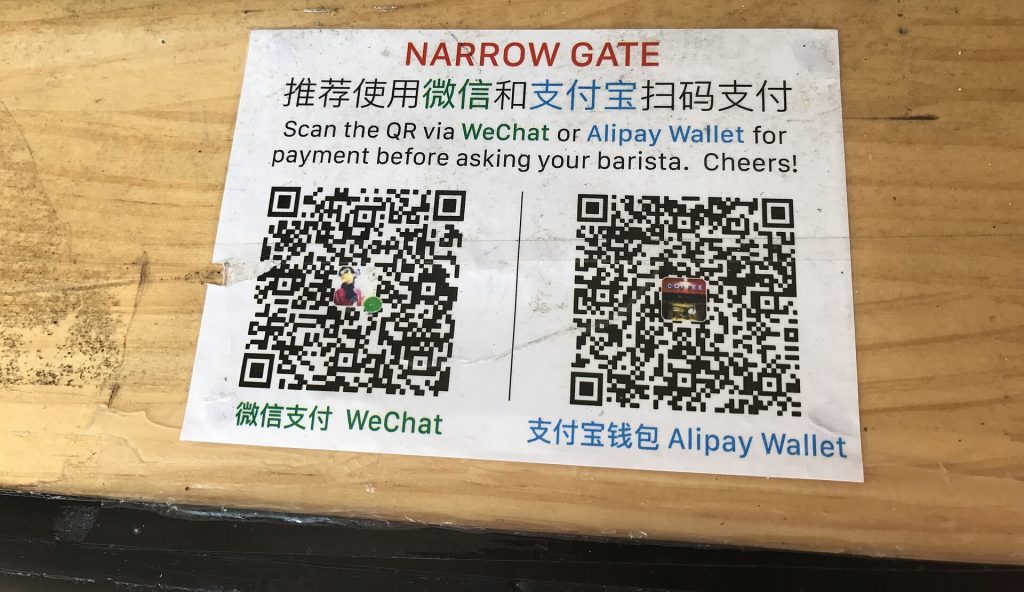
If you only set up one app before take-off, either can work for many city purchases. If you want fewer refusals at small shops and scenic kiosks, set up both. Merchants sometimes display only one QR standard, and staff will not troubleshoot your foreign-card decline while a queue builds.
Signup and verification friction
WeChat Pay lives inside WeChat, which you already need for many mini-programmes. Complete identity verification and card binding on home Wi-Fi; face scans fail in poor lighting.
Alipay is a standalone wallet with a large offline footprint. Tourist flows can feel clearer once identity is verified, but home-bank 3-D Secure prompts still interrupt first payments. Read in-app fee notices for your card—do not invent numbers from memory.
Where each app tends to shine
Everyday QR spend is strong on both. Transport QR varies by city—see tourist metro cards vs mobile pay. WeChat’s ecosystem helps with tickets and queues; Alipay is excellent for QR pay. Hotels may prefer a specific method for deposits—ask ahead.
Offline show-code payments need data. Sort connectivity via eSIM airport pickup vs ship-to-hotel ideas and essential apps for foreigners so cashier QR codes refresh instantly.
Foreign card realities
Tell your bank you will use Alipay and WeChat Pay in China. Keep a second card brand if possible. When one wallet declines, try the other before assuming foreign cards never work.
November tip and setup order
Set up wallets before you land. Install both apps, verify identity, bind cards, attempt a tiny test payment if available, and pack a small cash float.
Notes for late 2026 travellers
Late October and November bring cooler mornings, earlier sunsets, and comfortable train weather across much of eastern China. Pack layers, keep phone batteries warm outdoors, and leave extra time whenever a clear weekend coincides with popular sightseeing.
This article does not invent ticket prices, opening hours, processing times, or official statistics. When a number matters, verify it on the official site, app screen, or ticket board near your travel week.
Write key Chinese addresses into your phone notes before you leave Wi-Fi. Screenshot tickets and booking codes. Carry a small cash float even if you prefer wallets—see why cash is still needed. Reconfirm last-mile transport the evening before early starts.
If an official rule page disagrees with this guide, follow the official page. Lovely China orients English-speaking travellers; we are not an immigration, banking, or medical authority. Keep the China travel tools page page bookmarked for other logistics hubs.
Traveller mindset
Move slowly through paperwork moments. A calm queue is cheaper than a missed train. When language fails, show passport pages, booking screens, and maps with Chinese labels. Hotel front desks and station information booths are used to helping foreigners through routine steps.
Keep expectations honest: China is highly digital, but edge cases remain. Your job is not to memorise every exception—it is to carry backups (second card, cash, offline maps, written addresses) so one failure does not end the day. For everyday apps, start with essential apps for foreigners.
FAQ
Is one wallet enough for a week in Beijing or Shanghai?
Often yes in big cities, but two wallets reduce refusal risk at small QR-only stalls.
Do I need a Chinese phone number?
Many foreign-card flows work with home numbers; follow the in-app steps for your case.
Should I still carry cash?
Yes, a small float helps—see our cash guide for edge cases.
When should I set apps up?
Before you fly, on home Wi-Fi, after telling your bank about China wallet charges.
Notes for late 2026 travellers
Late October and November bring cooler mornings, earlier sunsets, and comfortable train weather across much of eastern China. Pack layers, keep phone batteries warm outdoors, and leave extra time whenever a clear weekend coincides with popular sightseeing.
This article does not invent ticket prices, opening hours, processing times, or official statistics. When a number matters, verify it on the official site, app screen, or ticket board near your travel week.
Write key Chinese addresses into your phone notes before you leave Wi-Fi. Screenshot tickets and booking codes. Carry a small cash float even if you prefer wallets—see why cash is still needed. Reconfirm last-mile transport the evening before early starts.
If an official rule page disagrees with this guide, follow the official page. Lovely China orients English-speaking travellers; we are not an immigration, banking, or medical authority. Keep the China travel tools page page bookmarked for other logistics hubs.
Traveller mindset
Move slowly through paperwork moments. A calm queue is cheaper than a missed train. When language fails, show passport pages, booking screens, and maps with Chinese labels. Hotel front desks and station information booths are used to helping foreigners through routine steps.
Keep expectations honest: China is highly digital, but edge cases remain. Your job is not to memorise every exception—it is to carry backups (second card, cash, offline maps, written addresses) so one failure does not end the day. For everyday apps, start with essential apps for foreigners.
Extra reminder
Re-check official sources the week you travel. Keep backups for payments and connectivity. Travel kindly.
Bottom line
Most short-stay visitors are happiest with both wallets set up before landing—and a little cash as backup.