Touching down in China without an active internet connection can feel like stepping onto another planet. By late 2026, virtually every layer of daily transit and commerce in Chinese metropolises—from scanning dynamic QR codes to board the Metro, hailing a ride, ordering food at a restaurant table, to paying for a bottle of water at a convenience stall—runs entirely through a smartphone.
If you have decided that a third-party roaming travel eSIM is insufficient and you specifically require a local Chinese (+86) phone number for reservations, parcel delivery lockers, domestic airline apps, or bank accounts, you face an immediate logistical decision: do you pick up your local physical SIM card at the airport upon arrival, or do you have it shipped directly to your hotel ahead of time?
Because China enforces strict telecom “Real-Name Registration” (Shimingzhi, 实名制) regulations, acquiring mobile connectivity is not as casual as grabbing an unverified prepaid starter pack off a convenience store shelf. Here is a granular breakdown comparing pickup modes, activation workflows, airport Wi-Fi traps, step-by-step concierge coordination, and the crucial backup precautions you must implement to bridge the transit gap.
Understanding the 2026 Landscape: Digital eSIM vs. Local SIM
Before booking a delivery method, it is vital to distinguish between third-party travel eSIMs and genuine local Chinese SIM cards.
Most international travel eSIMs (such as Airalo, Nomad, or Holafly) provide data only routed via roaming agreements through gateways in Hong Kong, Singapore, or Japan. Because they route through external roaming agreements, they bypass mainland firewall filters automatically and require no physical delivery—they install in seconds via an emailed QR code.
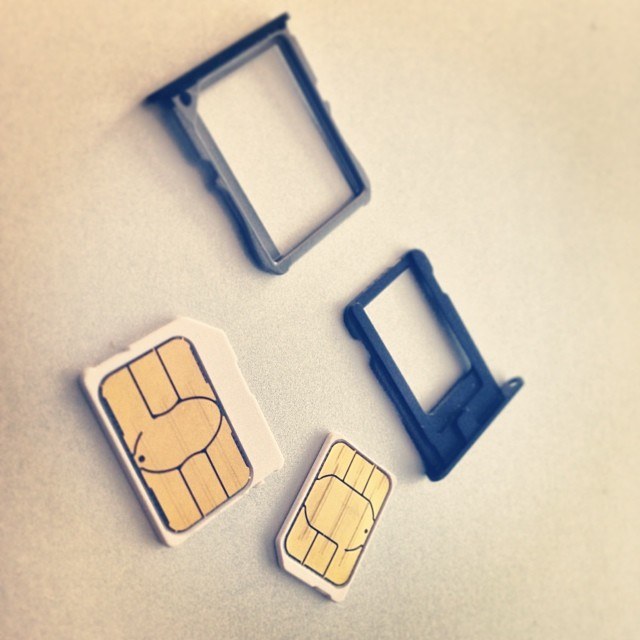
However, China’s primary state telecommunications carriers (China Mobile, China Unicom, and China Telecom) do not support self-service standalone eSIM profiles on standard consumer smartphones imported from abroad. If you need an authentic mainland phone number (+86)—vital for receiving SMS verification codes (yanzhengma, 验证码) from domestic services like Meituan, Railway 12306, or localized ride-hailing tools—you almost universally must acquire a physical nano-SIM card.
For an overview of roaming versus local network mechanics, read our guide on [Roaming vs Local SIM vs eSIM in China 2026: An Honest Comparison]. To evaluate individual cellular networks, frequencies, and coverage strengths across tier-one cities versus rural provinces, consult [China eSIM and Local SIM for Foreigners 2026: Airport, Apps, and Coverage].
If you have settled on securing a physical card from specialized inbound expat providers (such as Nihao Mobile or Lvycom) or direct carrier pre-orders, the real challenge boils down to arrival logistics.
Option 1: Airport Pickup
Picking up your SIM at primary international gateways—such as Shanghai Pudong (PVG), Shanghai Hongqiao (SHA), Beijing Capital (PEK), Beijing Daxing (PKX), Guangzhou Baiyun (CAN), or Shenzhen Bao’an (SZX)—remains the traditional arrival playbook.
AIRPORT PICKUP WORKFLOW
┌──────────────┐ ┌──────────────┐ ┌──────────────┐
│ Clear Border │ ──> │ Locate Kiosk │ ──> │ Passport KYC │ ──> Connected
│ & Baggage │ │ in Arrivals │ │ Terminal │ Before Exit
└──────────────┘ └──────────────┘ └──────────────┘
The Advantages
Immediate Cellular Data: You step out into the arrivals hall connected to high-speed 5G. You can immediately hail a DiDi, message your family, or navigate terminal signage without hunting for public Wi-Fi.
On-the-Spot Assisted KYC: Terminal desk staff run your physical passport through a dedicated optical scanner, position you in front of their carrier-linked biometric camera, and verify your line on the spot. If APN settings fail or your phone requires network profile resets, a technician resolves it before you leave the desk.
No Accommodation Friction: You carry the card away yourself, eliminating the risk of front-desk clerks misplacing, rejecting, or returning your mail parcel before you check in.
The Drawbacks
Unforgiving Operating Hours: Flight arrival times represent the largest failure point. While major hubs maintain daytime service desks, airport telecom booths often shutter between 9:30 PM and 10:30 PM and do not reopen until 7:00 AM or 8:00 AM. If an intercontinental flight is delayed or scheduled to land late at night, your pickup voucher becomes useless until morning.
Arrival Fatigue & Queues: When several long-haul flights deplane at once, customs clearance can be immediately followed by a 30- to 50-minute queue at the few staffed telecom counters.
Airport Surcharges & Upselling: Physical airport kiosks frequently push inflated “tourist bundles” loaded with redundant voice minutes or overpriced 30-day packages, often charging double the base rate of identical data allowances purchased online.
Option 2: Ship-to-Hotel
The ship-to-hotel model allows you to purchase your local SIM online days or weeks prior to departure. The vendor ships the inactive SIM package directly to your confirmed hotel using domestic express couriers (such as SF Express or JD Logistics), where the concierge holds it until your arrival.
SHIP-TO-HOTEL WORKFLOW
┌──────────────┐ ┌──────────────┐ ┌──────────────┐
│ Online Order │ ──> │ SF Express │ ──> │ Concierge │ ──> Self-KYC
│ Before Trip │ │ to Front Desk│ │ Holds Parcel │ in Room
└──────────────┘ └──────────────┘ └──────────────┘
The Advantages
Bypass Terminal Chokepoints: Once through customs and baggage claim, you walk straight to the Maglev, airport express train, or official taxi rank without stopping.
Transparent Pricing: Ordering online provides access to standard consumer plans, custom data buckets, and month-to-month contracts without airport retailer markups.
High Courier Reliability: Domestic express logistics within China are exceptionally fast and trackable. In-country shipments typically arrive at urban hotels within 24 to 48 hours of dispatch.
The Drawbacks
The Transit “Dead Zone”: You have zero cellular data, no active GPS navigation, and no functional phone number during your commute from the arrivals hall to the hotel front desk.
Self-Service Biometric KYC: You must complete Real-Name Registration on your own via the provider’s web portal or WeChat Mini Program using your hotel room’s Wi-Fi. This requires manually photographing your passport information page, entering visa details, and recording a short facial recognition video clip.
Name Mismatches at Reception: Chinese hotel front desks handle hundreds of guest parcels daily. If the Latin characters on your shipping label fail to match the spelling on your hotel booking reservation, staff may turn the courier away.
How to Successfully Coordinate Ship-to-Hotel Logistics
If you elect to ship your SIM card ahead to your hotel, follow this operational checklist to avoid shipping rejections or lost mail:
Verify Hotel Foreigner Reception Capacity: Ensure your hotel is authorized and experienced with hosting foreign passport holders. Review our guide on [China Hotel Check-In with a Passport 2026: What Foreigners Need to Know] to confirm room registration protocols.
Contact the Concierge Before Ordering: Send an email or message through your booking platform (e.g., Trip.com, Agoda, or Booking.com) alerting the property:
“Dear Concierge, I am an incoming international guest with reservation #[Number] checking in on [Date]. I am ordering an essential local SIM card to be delivered by SF Express 2–3 days prior to my arrival. Could you please accept and hold the parcel under my name at the front desk?”
Format the Shipping Address Accurately: Provide the delivery address in both Pinyin/English and Simplified Chinese characters (Hanzi). Request the exact front-desk parcel shipping address directly from the property.
Align the Recipient Name Exactly: Format the recipient field as follows:
[Passport Full Name] (Incoming Guest Check-in: [YYYY-MM-DD], Booking Ref: [Number]).
Monitor In-Country Tracking: Ensure your provider issues an SF Express (Shunfeng, 顺丰) or JD Logistics (Jingdong, 京东) tracking number. Check that delivery displays “Signed by Front Desk/Concierge” (Qianshou, 签收) at least 24 hours prior to your scheduled landing.
Activation Timing & The Real-Name Passport KYC Hurdle
Whether you complete registration at an airport counter or on your smartphone in a hotel room, Chinese telecommunications laws mandate individual identity verification before a SIM card connects to cellular towers.
Feature Airport Terminal Counter Ship-to-Hotel (Self-Service)
Identity Verification In-person passport scan by clerk Photo upload & selfie video via web/app
Verification Speed Immediate (5–10 minutes) 15 minutes to 3 hours (depends on manual review)
Operating Hours Bound to desk shifts (often 08:00–22:00) 24/7 submission (processing pauses off-hours)
Troubleshooting On-site technician inspects device Web chat or asynchronous ticket support
Initial Connectivity Inside the terminal building Inside the hotel room via local Wi-Fi
Self-KYC Pitfalls to Avoid
If completing self-service KYC in your hotel room:
Avoid Glare on the Lamination: Position your passport on a flat surface away from direct halogen spotlights. Glare over your MRZ (machine-readable zone) or date of birth will cause automated computer-vision rejections.
Match Passport Fields Exactly: Ensure every middle name, space, and hyphen aligns with your passport bio-page.
Network Latency: Running passport verification over a heavily filtered hotel Wi-Fi connection can occasionally freeze the video upload. If the vendor’s page times out, toggle your device off the hotel Wi-Fi and use a localized network link if available, or ask front desk staff for assistance.
The Airport Wi-Fi Trap and Public Kiosk Realities
Travelers often assume: “If my SIM card is waiting at the hotel, I will simply connect to free airport Wi-Fi to hail my ride.” In practice, relying on Chinese airport Wi-Fi without a functioning cellular line presents major hurdles.
Most public Wi-Fi access points across mainland transit hubs require SMS authentication (yanzhengma) to log in. Without an active mobile number capable of receiving local text messages, you cannot pass the web gateway splash page.
THE AIRPORT WI-FI CATCH-22
┌────────────────┐ ┌────────────────┐ ┌────────────────┐
│ Connect to │ ──> │ Gateway Prompts│ ──> │ NO ACTIVE SIM │ ──> Authentication
│ Airport Wi-Fi │ │ for SMS Code │ │ Cannot get SMS │ Fails
└────────────────┘ └────────────────┘ └────────────────┘
While some tier-one airports (such as PVG and PEK) maintain automated passport-scanning kiosks that print temporary physical Wi-Fi access codes, these machines frequently suffer from operational quirks:
Hardware Maintenance Issues: Optical barcode scanners can struggle with newer foreign passports, non-standard lamination, or smudged pages.
Strict Great Firewall Filtering: Once authenticated, public airport Wi-Fi sits directly behind the domestic firewall. Foreign messaging apps, corporate email servers, map applications, and banking portals will fail to connect unless you have secured dependable roaming protocols beforehand.
Terminal Placement: Wi-Fi code dispensation kiosks are often located far from baggage carousels or buried near domestic transit security gates rather than international exit paths.
Bridging the Arrival Gap: Essential Offline Preparation
If you select the ship-to-hotel route—or land at an hour when airport counters are shut—you will spend the first 2 to 3 hours in China completely offline. Complete these four prerequisites before boarding your flight:
Pre-Authorize Payment Wallets
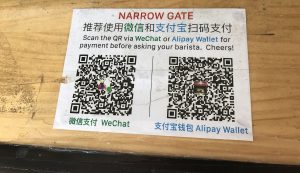
Do not wait until landing to bind your Visa, Mastercard, or foreign bank card to Alipay and WeChat Pay. Complete card binding, identity verification, and passkey setups in your home country. For detailed instructions on single-transaction caps, merchant QR scanning, and balance rules, consult [Alipay and WeChat Pay for Foreigners in China 2026: Setup, Limits, and Workarounds].
Both apps cache offline barcode tokens locally on your phone. Even with your cellular data toggled off, you can present your dynamic offline payment QR code to automated ticket machines in Metro stations or official taxi drivers equipped with optical hand scanners.
Download Mainland-Compatible Offline Maps
Google Maps cannot provide reliable navigation within mainland China due to firewall restrictions, outdated road databases, and the GPS coordinates offset (GCJ-02 datum shift).
Download an alternative domestic navigation app such as Amap (Gaode) or Apple Maps while still connected to your home network. Amap provides detailed offline vector maps for specific destination cities (e.g., Shanghai, Beijing, Shenzhen). Review our walkthrough on [How to Use Amap (Gaode Maps) in China as a Foreigner: 2026 English Guide] to learn how to search subway routes and street landmarks using English or Pinyin.
Print and Screenshot Hotel Information
Save offline screenshots of your hotel booking confirmation containing:
The hotel’s full name written in Simplified Chinese characters (Hanzi).
The precise street address written in Chinese characters.
The local front-desk telephone landline number.
Print a physical paper copy of this information and keep it in your carry-on luggage. If your phone battery dies or the screen freezes, you can hand the printed paper directly to an official airport taxi coordinator or line driver.
Withdraw Emergency Cash
Keep 200–500 RMB in physical cash stored in your wallet. While China operates as an overwhelmingly cashless society, airport taxi queues and public transport help desks are legally required to accept RMB banknotes when electronic payments or network terminals encounter connectivity errors.
Frequently Asked Questions (FAQ)
Can I buy a local Chinese SIM card at the airport if I arrive past midnight?
Generally, no. Most official carrier service desks and third-party tourist telecom kiosks inside PVG, PEK, and CAN close between 9:30 PM and 10:30 PM. If your flight lands late, choose the ship-to-hotel method, rely on a data-only roaming travel eSIM for transit, or visit a carrier flagship hall (China Unicom or China Mobile) downtown the following morning.
Will my foreign-purchased smartphone support a local Chinese physical SIM?
Most unlocked modern smartphones (iPhone, Samsung Galaxy, Google Pixel) function on Chinese 4G and 5G networks. Verify that your device supports the core mainland network bands: LTE Bands 1, 3, 5, 8, 34, 38, 39, 40, and 41, alongside 5G NR bands n1, n3, n28, n41, and n78. Note that US-purchased iPhone 14, 15, and 16 models are eSIM-only and lack a physical nano-SIM tray, meaning they cannot use physical Chinese SIM cards.
Does a local Chinese SIM card include automatic access to blocked Western apps?
No. Local SIM cards connect directly through mainland telecommunications infrastructure and are subject to local internet filtering. Foreign websites, messaging services, and apps that are inaccessible on domestic connections will remain blocked. If you require continuous access to your home apps, pair your local physical card with a roaming travel eSIM or a trusted international roaming plan.
Can the hotel front desk reject my parcel if it arrives before I check in?
Yes, this can happen if the package lacks clear guest information. Hotels will reject unidentifiable deliveries to prevent clutter and security issues. Prevent this by messaging the concierge in advance, obtaining the exact local shipping address, and formatting the label to include your full passport name, booking reference number, and arrival date.
Final Recommendation
Choose Airport Pickup if you are a first-time visitor, land between 9:00 AM and 6:00 PM, and prioritize walking out of the terminal fully connected with zero setup troubleshooting in your hotel room.
Choose Ship-to-Hotel if you land late at night, possess basic digital confidence to complete web-based KYC registration, want to avoid terminal queues, or prefer securing standard domestic data rates without airport sales markups.
Related Lovely China guides
- How to Use Amap (Gaode Maps) in China as a Foreigner: 2026 English Guide
- How to Use Didi in China as a Foreign Visitor 2026
FAQ
Is this guide current for late 2026?
It reflects commonly reported practice as of October 2026. Always re-check official sources before you travel, because rules, ticket platforms and seasons change.
Where can I verify details?
Use the official website, WeChat account or ticket platform named for this topic. For payments and maps, see Lovely China’s practical visitor guides linked above.
What if my situation is unusual?
Ask your hotel, airline, park ticket office or embassy/consulate for case-specific advice rather than relying only on a blog post.