Let’s be completely honest: stepping off a plane in China without knowing Mandarin can feel intimidating. The street signs, the rapid-fire conversations, the digital menus—it’s a sensory overload. But as we head into the winter travel season of late 2026, the language barrier is lower than it has ever been.
You don’t need to be fluent to order a fantastic bowl of noodles or navigate the subway. You just need the right apps, prepared the right way. This is your practical, no-nonsense guide to the translation tools that actually work on the ground in China today.
The Big Three: Which App Actually Works?
You likely already have a translation app on your phone, but how it performs in China might surprise you.
1. Apple Translate (The System Champion)
If you use an iPhone, Apple’s built-in Translate app has quietly become a powerhouse for China travel in 2026. Because it’s baked right into iOS, you can highlight text almost anywhere—even in photos you’ve just taken—and translate it instantly.
Best feature: You can download the Mandarin Chinese language pack directly to your phone. It processes voice and text entirely offline, which is incredibly fast and reliable.
The catch: The camera translation interface can be slightly clunky for long, complex restaurant menus compared to others.
2. Google Translate (The Old Reliable—With Prep)
Google Translate remains the global gold standard for a reason. Its camera translation feature is still the best in the business for hovering over a physical menu and watching the Chinese characters magically morph into English.
Best feature: The real-time camera overlay.
The catch: You must download the Chinese (Simplified) offline translation pack before you board your flight to China. If you forget, the app will not function without specific network configurations. Do this at home while you are packing.
3. Baidu Translate (The Local Expert)
Baidu is China’s search giant, and their translation app understands the nuance, slang, and cultural context of modern Chinese better than Western apps.
Best feature: It rarely hallucinates weird English phrases when translating highly specific regional dishes.
The catch: The app’s interface can be cluttered, and it requires a solid internet connection. Before relying on cloud-based apps like Baidu, ensure you have your mobile data sorted. We highly recommend reading up on China eSIM and Local SIM for Foreigners 2026: Airport, Apps, and Coverage.
The Secret Weapon: WeChat Translate
While dedicated translation apps are great, the app you will actually use the most for translation is WeChat. Because WeChat is integrated into every aspect of daily life, its built-in translation tools are indispensable.
If a local adds you on WeChat to chat, you can simply long-press any Chinese message they send and tap “Translate” to read it in English. You can reply in English, and they can do the exact same thing on their end to read it in Chinese.
Furthermore, many restaurants in 2026 don’t have physical menus; you scan a QR code on the table to order via a WeChat Mini Program. WeChat now has a built-in feature that can auto-translate these Mini Program interfaces. Since you will already be using WeChat for your digital wallet, learning this trick is a lifesaver. (If you haven’t set up your wallet yet, check out How to Add a Foreign Card to WeChat Pay in China 2026).
Practical Scenarios: How to Survive
Scenario A: The Local Restaurant Menu
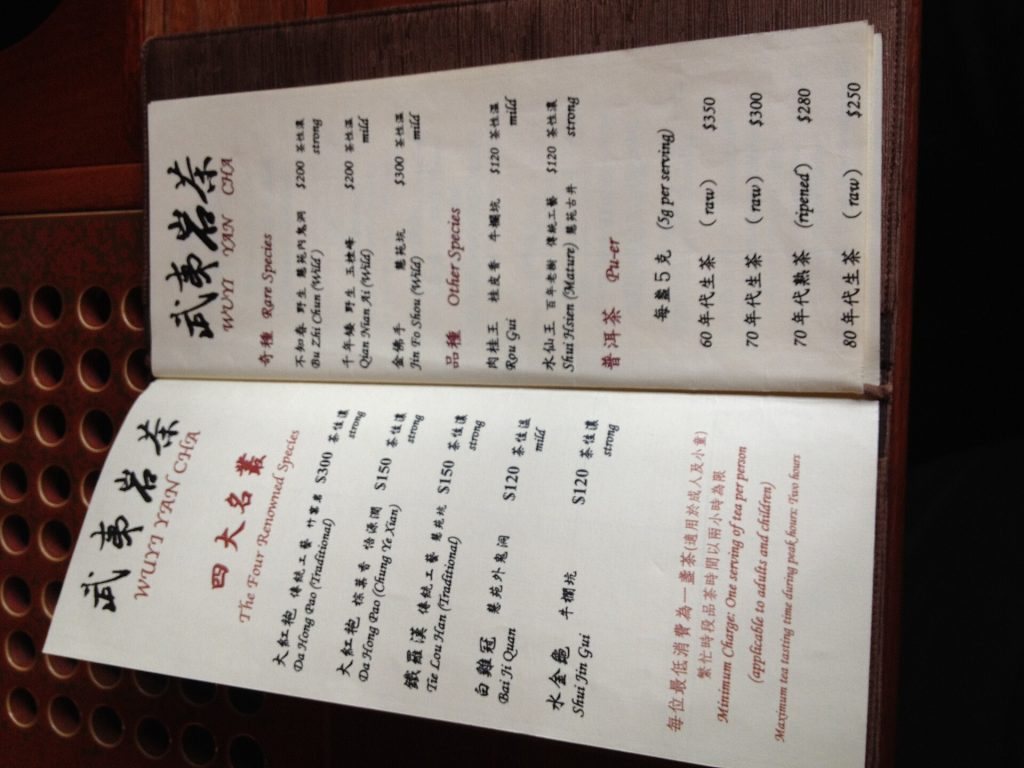
You walk into a busy, authentic noodle shop in Chengdu this November. There is no English menu, just a text-heavy board on the wall.
The Move: Open Google Translate or Apple Translate. Use the Camera feature. Hold it steady over the board. Look for keywords like “Beef” (牛肉), “Pork” (猪肉), or “Spicy” (辣). Don’t worry if the translation sounds slightly poetic or bizarre (e.g., “Husband and Wife Lung Slices” is just a delicious cold beef dish). Point at the translated item on your screen, show the waiter, and hold up your fingers for the quantity.
Scenario B: The Metro or Didi Taxi
Your Didi (ride-hailing) driver calls you because they can’t find where you are standing.
The Move: Do not panic. Decline the call, open the Didi app’s text chat, and type in English: “I am standing next to the blue sign, wearing a red jacket.” The app automatically translates text between drivers and passengers. If you are lost in a metro station, open the Voice feature in your translation app, tap the microphone, speak simply (“Where is Line 4?”), and play the Mandarin audio to a station attendant.
(Note: Getting around is part of a larger digital ecosystem. Make sure you also have the other Essential Apps for Foreigners in China 2026 downloaded before your trip).
The Golden Rule: Offline Packs
We cannot stress this enough: Download your offline language packs before you travel.
Whether you choose Google, Apple, or Baidu, go into the app settings right now and download “Chinese (Simplified)”. When you are in the basement of a mall trying to translate a sign and your signal drops to zero, that 150MB download will be the difference between eating a great meal and walking out hungry.
When Technology Fails: The Human Element
Translation apps in 2026 are incredible, but they are not perfect. Sometimes a handwritten sign is too messy for the camera to read. Sometimes the background noise on a bustling street makes voice translation impossible.
When the apps fail, remember that human connection still wins.
Look for younger people: English is a mandatory subject in Chinese schools. Many university students and young professionals speak decent conversational English and are usually thrilled to help a visitor.
The power of pointing: In a bakery or a fast-food line, simply pointing at what the person in front of you ordered and giving a thumbs-up works flawlessly.
Politeness transcends language: A simple smile, a slight nod, and a genuine “Xiexie” (Thank you) will get you incredibly far, even if your phone battery is dead. And don’t worry about trying to tip the person who helps you translate—it’s simply not done here. (Curious about that? See our guide on Tipping Culture in China for Foreigners 2026: When Tips Are Expected and When Not).
Armed with offline packs, a camera translator, and a bit of patience, the language barrier in China shifts from being a wall to being just a minor speed bump. Download your apps, charge your phone, and go enjoy the food.
Offline packs and battery reality
Download offline language packs on Wi‑Fi before you leave the hotel. Camera translation and continuous speech burn battery quickly, so carry a charged power bank and lower screen brightness outdoors. In bright midday light, phone cameras struggle with glossy laminated menus—tilt the page or shade it with your hand.
If an app freezes mid-order, switch to pointing at dishes other tables ordered, or ask staff for a photo menu. Many chain restaurants already print English or picture menus; use translation for neighbourhood spots and handwritten specials boards.
WeChat translate and chat fallbacks
Inside WeChat chats, built-in translate helps when a hotel host or driver messages you. It is not perfect for addresses—confirm the Chinese characters against your hotel booking confirmation. For voice calls, brief typed Chinese with a translated draft is often clearer than long speech-to-speech attempts in noisy streets.
Save key phrases as screenshots: hotel name and address in Chinese, “I am allergic to peanuts,” “please take me to this address,” and your train seat number. Screenshots still work when data drops in the metro.
What translation apps still get wrong
Classical poetry on temple plaques, dialect-heavy street signs, and medical labels need caution. Do not rely on auto-translate for medication instructions or legal notices—ask a pharmacist or hotel desk. Dish names that are metaphors (“ants climbing a tree”) may translate literally; look for photos or ask “spicy?” with a thumbs-up/down gesture.
When in doubt, order one shared dish first, taste, then expand the order. That pattern beats translating an entire menu under time pressure.
Related Lovely China guides
- How to Use Amap (Gaode Maps) in China as a Foreigner: 2026 English Guide
- How to Use Didi in China as a Foreign Visitor 2026
FAQ
Is this guide current for late 2026?
It reflects commonly reported practice as of October 2026. Always re-check official sources before you travel, because rules, ticket platforms and seasons change.
Where can I verify details?
Use the official website, WeChat account or ticket platform named for this topic. For payments and maps, see Lovely China’s practical visitor guides linked above.
What if my situation is unusual?
Ask your hotel, airline, park ticket office or embassy/consulate for case-specific advice rather than relying only on a blog post.