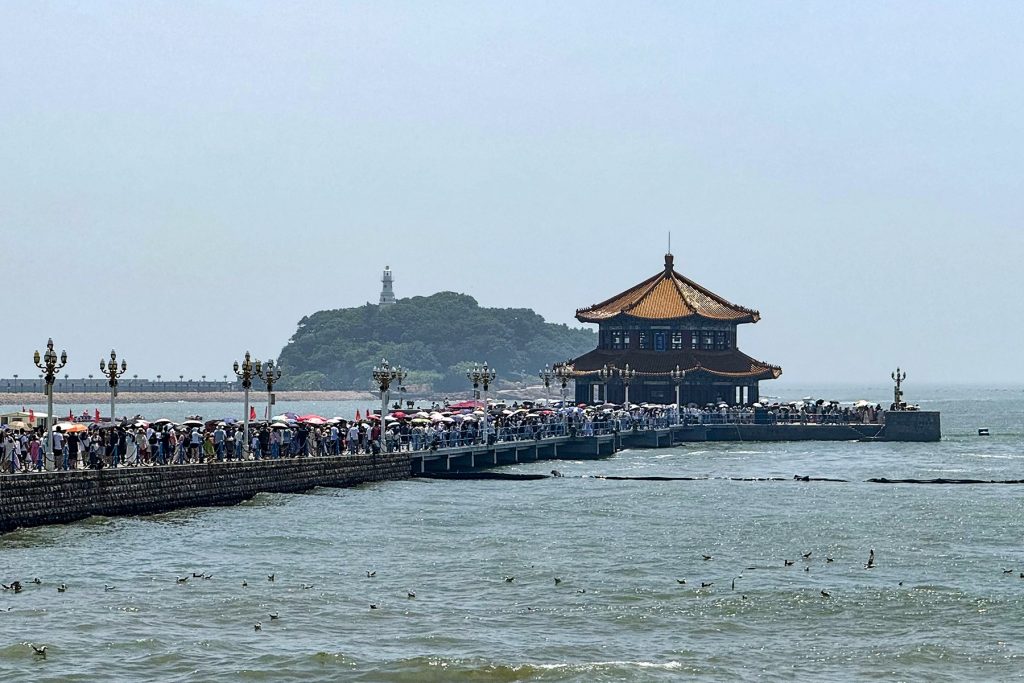
The Yellow Sea does not gently bid farewell to autumn; in November, it sharpens its breath. As the afternoon tide pulls away from the rocky outcrops of Zhanqiao Pier, the light shifts from a pale, salt-bleached grey to the deep, bruised indigo of an early northern dusk. For expats nursing a long week or travelers seeking a breather between high-speed rail transits, this is the hour Qingdao belongs entirely to itself. The summer tour buses have long vanished, the roaring beachfront crowds have retreated inland, and the historic German-era red roofs blur beneath a canopy of gathering winter quiet.
The Geometry of Red Roofs and Cold Sea Air
Stepping off the bus near Signal Hill, the immediate sensation is the tang of kelp mixed with dry, pine-scented mountain air. Qingdao’s unique geography—where rolling hills collide abruptly with sweeping crescent bays—creates natural viewing pockets that few cities in northern China can rival. From up high, the fading light catches the iconic orange-red clay tiles that cascade down towards the water, a distinct architectural legacy framed by winding, stone-walled lanes.
Walking down towards the coast, the temperature drops noticeably with every block. November evenings here demand respect: a sturdy windproof shell and wool cap are not optional fashion choices if you plan to linger near the breakwaters. Yet this bracing chill has its rewards. The streets grow wonderfully still. You hear the crunch of dry plane tree leaves underfoot and the muffled clink of glasses from small neighborhood seafood stalls where locals are settling in for braised clams and local brews before the winter freeze settles deep into the bones.
Walking the Crescent: From Zhanqiao to Xiaoyushan
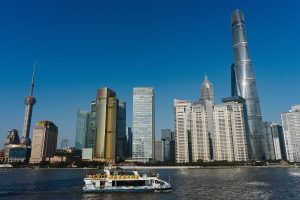
Following the curve of the shoreline along Taiping Road, the modern high-rises of the Shinan district begin to illuminate across the bay, their glass facades blinking in sync with the navigation lights of container ships anchored on the horizon.
Zhanqiao Pier: The historic pier stretches nearly 440 meters into the waves, its octagonal Huilan Pavilion standing firm against the surging tide. In November, the walkway is blissfully uncrowded. Walking out to the end offers an unobstructed view of Xiao Qingdao (Little Qingdao Isle) with its solitary white lighthouse cutting rhythmic slices through the dusk.
The Sea Wall Path: The granite barriers lining the promenade act as windbreaks where locals still pause to watch the foam crash against the sea walls. It is a contemplative stretch, punctuated only by the distant rumble of the coastal tram line or an evening commuter hurrying toward the nearest metro entrance.
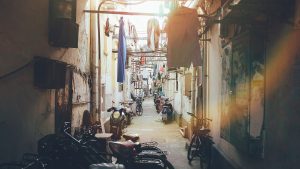
Old Town Alleys: Ducking inland away from the harbor winds reveals quiet residential staircases draped in tangled winter vines. Here, historic European-style villas stand shoulder-to-shoulder with traditional courtyard homes, creating a layered, lived-in atmosphere that feels miles away from China’s hyper-modern megalopolises.
Before setting out on an extended coastal walk, it is always wise to check local weather shifts and transit schedules using reliable utilities like the China travel tools page, ensuring your evening transit back to your accommodation is seamless.
Practical Warmth and Evening Navigation
Navigating Qingdao’s coastal trails in late autumn requires a practical approach to comfort and timing. Because winter arrives quickly along the Shandong peninsula, nightfall plunges the temperature well below freezing once the sun dips below the ridge.
Essential Checklist for a November Coastal Walk
Layered Outerwear: A wind-blocking jacket paired with a thermal mid-layer is essential; the sea breeze off the Yellow Sea cuts straight through standard cotton hoodies.
Grip and Footwear: Sturdy walking shoes or boots with good traction are recommended for navigating damp stone steps and seaweed-slicked breakwaters near the piers.
Digital Transit Access: Keep your transportation apps updated or your transit card ready before stepping outside, as fumbling with your phone with cold fingers in the dark can quickly cut a walk short.
Hydration and Warmth: Carry a thermos of hot tea or water; while convenience stores are frequent, stepping into a warm shop provides a welcome sanctuary when the coastal wind picks up.
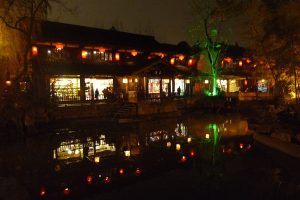
If your China itinerary also takes you inland toward Sichuan later in the season, you might appreciate contrasting this brisk maritime chill with the humid, osmanthus-scented warmth found in notes like the November evening Chengdu Jinli story, capturing how differently autumn concludes across China’s vast geography.
FAQ
What are the typical evening temperatures in Qingdao during November?
November marks a rapid transition into winter for Qingdao. Daytime highs hover around 10°C to 12°C, but once the sun sets, temperatures regularly drop toward 3°C or lower, exacerbated by strong, damp winds coming off the sea. Proper cold-weather gear is essential for evening walks.
Is public transportation easy to navigate late at night in the old town?
Yes, Qingdao’s metro system and bus networks are efficient and well-signposted in English. However, frequency on certain coastal bus routes scales back after peak commuting hours. Always check official transport operating hours via local navigation mini-programs or inquire at your hotel before heading out for a late stroll.
Are the coastal parks and piers open to visitors at night?
Most public promenades, sea walls, and open squares like May Fourth Square remain accessible around the clock. Historic structures like the Huilan Pavilion at Zhanqiao Pier generally close their inner gates by late afternoon or early evening, but the surrounding boardwalks and viewing platforms remain open for night photography and walks.
Related Lovely China reading
For payments, start with Alipay and WeChat Pay hub and WeChat Pay vs Alipay for tourists. For trains, keep high-speed rail first-timers guide and 12306 passport signup for foreigners handy. City hubs: Beijing first-visit guide, Shanghai first-visit guide. Connectivity: roaming vs local SIM honest guide, pocket Wi-Fi vs eSIM for China, offline maps for foreigners. Bookmark China travel tools page.
Practical checklist
- Confirm official rules on the relevant government, park, airline, or bank page near your travel week
- Screenshot bookings, tickets, and QR codes while you still have stable Wi-Fi
- Save hotel and attraction names in Chinese characters in your phone notes
- Carry passport, a backup payment method, and a small cash float (why cash is still needed)
- Test one small mobile payment before you rely on wallets at a gate or taxi
- Keep the China travel tools page page bookmarked for related Lovely China hubs
FAQ
Is this stories advice official?
No. Lovely China orients travellers. Verify live rules on official pages, apps, and counters near your travel week.
Will every city behave the same?
No. Airports, stations, parks, and markets differ. Use local signage and staff instructions when they conflict with a general guide.
What should I screenshot before I lose Wi-Fi?
Bookings, tickets, hotel Chinese address, pickup pins, and payment success screens.
Notes for late 2026 travellers
November and early December bring cooler mornings, earlier sunsets, and comfortable walking weather across much of eastern and central China. Pack layers and leave extra time on clear weekends at popular sights.
This article does not invent ticket prices, opening hours, processing times, consular fees, or official statistics. When a number matters, verify it on the official site, app screen, or ticket board near your travel week.
If an official rule page disagrees with this guide, follow the official page. Lovely China orients English-speaking travellers; we are not an immigration, banking, or medical authority.