Navigating public spaces in China can be an exhilarating experience, yet for many foreign visitors and expats, one of the most culturally disorienting aspects is the rhythm of local queues and waiting lines. Personal space norms, crowd density, and queue discipline differ markedly from Western standards. Understanding these nuances helps you avoid friction, protect your peace of mind, and navigate everything from subway turnstiles to bustling restaurant waiting areas with confidence and grace.
The Cultural Realities of Waiting Lines
In high-density urban environments across China, large volumes of people mean that queues are often tighter, shorter in physical distance, and subject to different unspoken rules regarding personal space. What might look like a disorganized cluster of people to a Western eye is often an organic holding pattern where locals maintain close proximity to prevent line-cutters.
When joining any queue, the golden rule is proximity: leaving a standard Western-sized gap of two or three feet between you and the person ahead is frequently interpreted as an open invitation for someone to step into that space. Keeping a compact footprint ensures your spot is secure. Furthermore, high-traffic locations experience shifting line dynamics. Always consult official guidance from relevant bodies like the National Immigration Administration for border control updates, or check official park and scenic area booking platforms ahead of your visit to verify rules and operating hours near your travel week.
Transit Hubs: Metro Stations and High-Speed Rail
Public transportation is the backbone of daily life in Chinese cities, but the sheer volume of commuters creates intense pressure points at security checkpoints and boarding gates.
Before stepping onto the platforms, passengers must pass through security screenings where bags are scanned. To keep things moving, place your belongings on the belt promptly and have your digital or physical ticket ready. When riding urban rail systems, preparing your fare media beforehand is crucial. For guidance on contactless options, review our insights on tourist metro cards vs mobile pay to choose the best method for your route.
Once inside the station environment, boarding etiquette requires alertness:
Stand clear of doors: Allow passengers to exit fully before attempting to board.
Follow platform markings: Look for painted arrows or floor queues indicating where train doors will align.
Mind the rush: During peak hours, subtle physical nudging is common and rarely personal; maintain your balance without reacting defensively.
For deeper preparation on navigating municipal rail networks, our Beijing subway first-timers guide provides specific terminal breakdowns. Similarly, long-distance journeys require advanced planning; consult the official 12306 platform and our high-speed rail first-timers guide to understand gate-opening procedures and boarding timelines before your travel week.
Restaurants, Clinics, and Number-Ticket Systems
Waiting for a table at a popular restaurant or waiting for a consultation at a clinic rarely involves standing in a linear physical line. Instead, automated systems and digital ticketing dominate modern service spots.
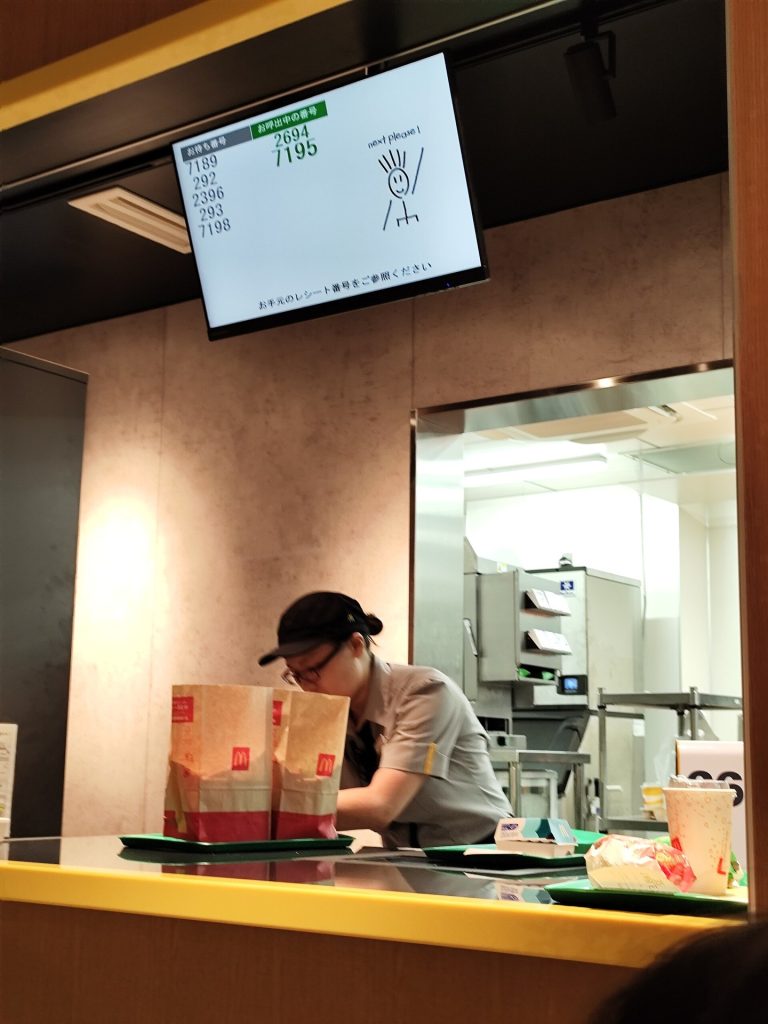
Upon arrival at a busy venue, look for a ticketing kiosk, a staff member handing out paper numbers, or a QR code to scan via WeChat or Alipay. Once you obtain your number, monitor the electronic display boards or listen for audio announcements. Because numbers are often called in Mandarin, keeping an eye on the visual screen or asking a nearby staff member to point out your status prevents missed turns.
For everyday dining and casual eateries, staying patient near the entrance or designated waiting zone ensures you are present when your number flashes.
How to Maintain Calm and Practice Soft Assertiveness
Incidents where someone steps ahead of you in a line can trigger frustration, but public confrontations are culturally counterproductive and rarely resolve the issue favorably. Instead, master the art of soft assertiveness.
If someone maneuvers ahead of you, avoid aggressive shouting or dramatic gestures. A calm, direct verbal cue or a polite physical block works best:
Use a polite verbal reminder: A gentle reminder or a polite wave pointing to the back of the line usually signals that you are aware of your position.
Maintain a closed stance: Step forward gently to close the gap before another person can slip in.
Keep emotions neutral: Losing your temper causes unnecessary stress and breaks social harmony.
By adjusting your spatial awareness and keeping your responses measured, you will find that moving through crowded environments becomes a smooth, manageable part of your Chinese travel adventure.
Frequently Asked Questions
Is it normal for people to stand very close to me in lines?
Yes. In high-density environments, personal space bubbles are much smaller than in Western countries. People standing close to you are usually just managing space efficiency rather than intentionally invading your privacy. Keeping a compact stance helps maintain your boundary comfortably.
What should I do if someone cuts in front of me in a queue?
Do not escalate into a loud argument. A calm, polite reminder or stepping firmly into the space to block further movement is standard practice. Most of the time, the individual will realize their mistake without conflict.
Are ticket numbers required at all restaurants?
Not everywhere, but busy restaurants, food courts, and popular chains almost universally use electronic or paper number systems. Always look for a reception stand or a QR code upon entering before you attempt to wait near tables.
How do I check official rules for transit and tourist sites near my travel week?
Always cross-reference your itinerary with official channels. Check the official 12306 app for rail updates, official park booking websites for scenic spots, and announcements from the National Immigration Administration for border or visa policies, ensuring you review these sources right before your travel week.
Related Lovely China reading
For payments, start with Alipay and WeChat Pay hub and WeChat Pay vs Alipay for tourists. For trains, keep high-speed rail first-timers guide and 12306 passport signup for foreigners handy. City hubs: Beijing first-visit guide, Shanghai first-visit guide. Connectivity: roaming vs local SIM honest guide, pocket Wi-Fi vs eSIM for China, offline maps for foreigners. Bookmark China travel tools page.
Practical checklist
- Confirm official rules on the relevant government, park, airline, or bank page near your travel week
- Screenshot bookings, tickets, and QR codes while you still have stable Wi-Fi
- Save hotel and attraction names in Chinese characters in your phone notes
- Carry passport, a backup payment method, and a small cash float (why cash is still needed)
- Test one small mobile payment before you rely on wallets at a gate or taxi
- Keep the China travel tools page page bookmarked for related Lovely China hubs
FAQ
Is this culture advice official?
No. Lovely China orients travellers. Verify live rules on official pages, apps, and counters near your travel week.
Will every city behave the same?
No. Airports, stations, and parks differ. Use local signage and staff instructions when they conflict with a general guide.
What should I screenshot before I lose Wi-Fi?
Bookings, tickets, hotel Chinese address, pickup pins, and payment success screens.
Notes for late 2026 travellers
Late October and November bring cooler mornings, earlier sunsets, and comfortable walking weather across much of eastern and central China. Pack layers and leave extra time on clear weekends at popular sights.
This article does not invent ticket prices, opening hours, processing times, consular fees, or official statistics. When a number matters, verify it on the official site, app screen, or ticket board near your travel week.
If an official rule page disagrees with this guide, follow the official page. Lovely China orients English-speaking travellers; we are not an immigration, banking, or medical authority.