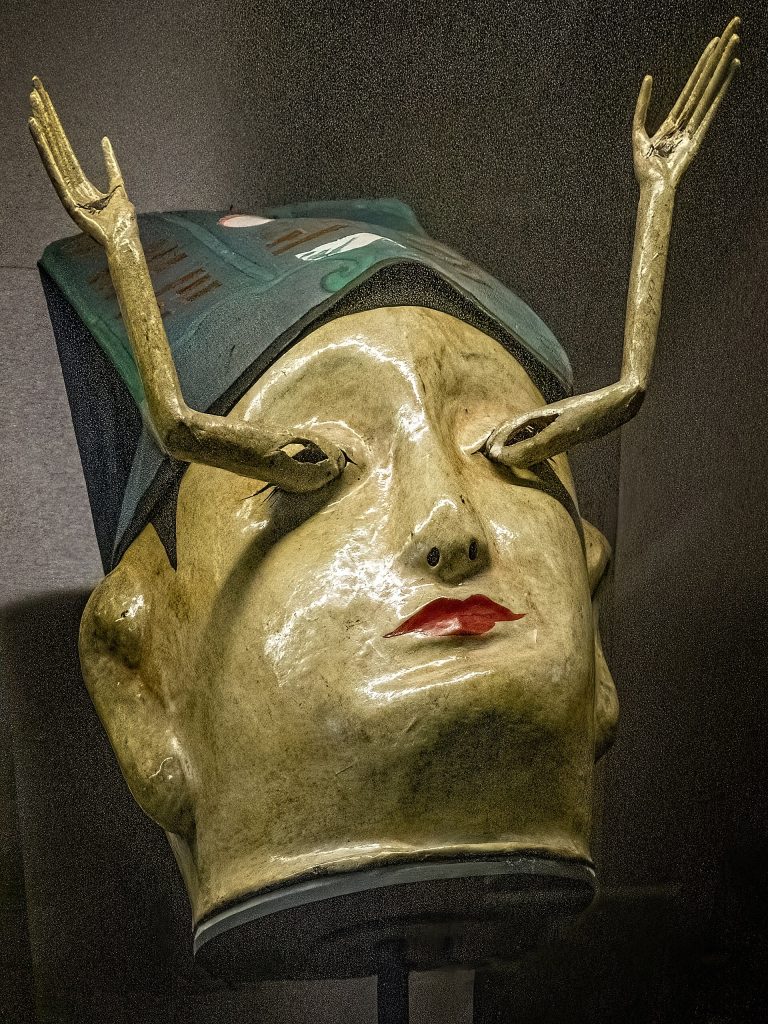
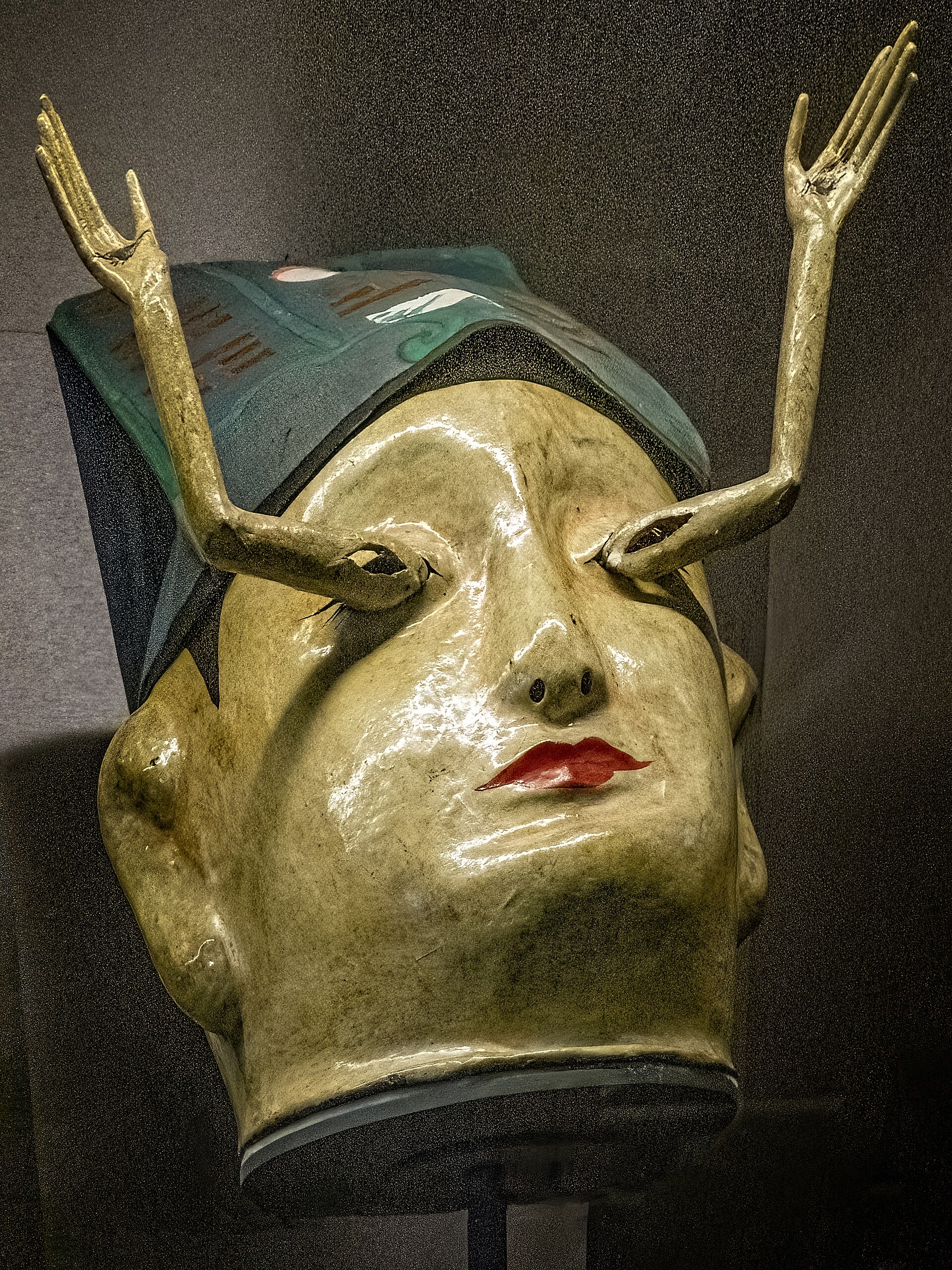
The incense smoke in the side hall of a temple in Quanzhou curled around a statue with three eyes and a black face. A woman in her sixties pressed a stick into the sand, muttered a request about her grandson’s exams, and walked backward three steps before turning. I had come looking for Nezha, the boy-god with fire wheels and a cosmic ribbon, but the altar held a general I did not recognize. The caretaker, sweeping ash from the threshold, laughed when I asked. “That is Li Jing,” he said. “The father. He gets the incense because parents understand the weight of a rebellious son.”
The Novel That Became a Pantheon
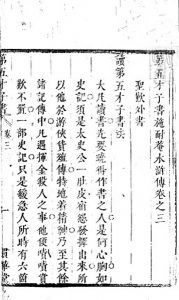
Fengshen Yanyi, the Investiture of the Gods, is not a scripture. It is a Ming-dynasty novel, a hundred chapters of battles, betrayals, and bureaucratic heaven, printed in the late sixteenth century. But in the folk temples of Fujian, Taiwan, and the diaspora, its characters stepped off the page and into the incense smoke. The Jade Emperor issues edicts; Jiang Ziya, the tired strategist, hands out divine appointments like civil-service posts. The book gave the chaotic spirit world an org chart. If you wander into a temple fair during the third lunar month, the palanquins parading through the streets—Nezha’s lotus throne, Erlang Shen’s hound, the Four Generals of the Mo family—are moving illustrations of that list.
Where the Statues Stand
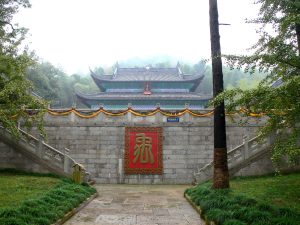
You will not find a single “Fengshen Temple.” Instead, look for the names on the lintels. In the old quarter of Zhangzhou, a shrine to the Prince of the East (Dongfang Shuo) shares a courtyard with a stage for glove puppetry. In Taipei’s Xingtian Temple, the crowd presses toward the general with the golden whip—Jiang Ziya himself—while volunteers hand out numbered divination sticks. The clearest map is the lunar calendar. The ninth day of the first month is the Jade Emperor’s birthday; the fifteenth of the third month is Nezha’s. On those mornings, the courtyards fill before dawn with steamed buns shaped like peaches, whole roasted pigs, and pyramids of oranges. Arrive early, bow three times at the main gate, and follow the flow of locals toward the inner hall. Do not step on the threshold saddle stone; step over it.
Reading the Altars
A Fengshen altar reads like a resume. The central figure holds the seal of authority—Jiang Ziya or the Jade Emperor. Flanking them are the martial generals: Wen Zhong with his three eyes, the four Mo brothers each clutching a different weapon. Nezha appears as a child with a spear and a golden brick, or as a young prince on wind-fire wheels. His father, Li Jing, the Pagoda-Bearing Heavenly King, stands apart, holding a miniature tower that traps demons. The mother, Lady Yin, is rarer; when she appears, she holds a lotus flower, a reminder of the body she rebuilt for her son. If you see a statue with a dog under its arm, that is Erlang Shen, the nephew who hunted his own uncle. The iconography is consistent enough that once you learn the attributes—wheel, brick, pagoda, hound—you can walk into any temple in Minnan or Chaozhou and name the whole court.
Stories That Walk the Streets
The novel’s battles become street theater. During the Lantern Festival in Jinjiang, a troupe performs “Nezha Conquers the Dragon King” on a temporary stage backed by a truck loaded with speakers. The actor playing Nezha is twelve, his face painted with the “three tiles” pattern—red, black, and white triangles that mark a divine child. He spins a prop spear, leaps through a hoop of paper flames, and the crowd roars. The Dragon King, in a heavy embroidered robe, staggers back, spitting water from a hidden hose. Children cheer; grandparents nod at the moral: even the heavens answer to law. After the show, the actors change in the open air, wiping greasepaint with tissues, mortal again. You can approach them, ask for a photo, and they will grin, still breathing hard.
Puppets, Opera, and the Living Text
In a courtyard house in Quanzhou, a puppeteer named Master Chen keeps a wooden box of heads. Each head is carved for a specific Fengshen role: the cunning Daji with her fox ears hidden under a phoenix crown, the loyal Huang Feihu with his tiger-tally. He performs “The Investiture Platform” for a birthday banquet. The rods are thin steel; the silk costumes weigh almost nothing. When Jiang Ziya raises the whip, the puppets of three hundred sixty-five gods rise in sequence, each bowing. The audience—uncles, aunties, toddlers on knees—knows every line. They mouth the archaic couplets along with the recording. The novel is not a relic here; it is a script that renews itself every season.
What a Newcomer Gets Wrong
Visitors often treat the temples as museums. They point cameras at the faces of gods during possession rituals, when a medium’s voice drops an octave and his body shakes with the entrance of a general. The medium is not performing; he is working. Step back. Do not ask for a blessing selfie. Another mistake is assuming the stories are fixed. A taxi driver in Kaohsiung will tell you Nezha slashed his own throat to return his parents’ flesh and bones; a grandmother in Penang will say he merely threatened it, and the Buddha intercepted the blade. Both are true in their temples. The novel is the skeleton; local devotion is the flesh. Listen more than you photograph. Accept the tea offered by the temple keeper—it is usually cheap oolong in a plastic cup, but the gesture seals you into the network, however briefly.
Carrying the Names Home
On the last morning, I bought a small woodblock print from a stall near the Mazu temple in Meizhou. It shows the Investiture Platform: Jiang Ziya reading the scroll, the gods kneeling in rows, clouds boiling underneath. The paper is thin, the ink slightly blurred. The vendor wrapped it in newspaper dated to the winter solstice. “Hang it high,” she said. “Face the door.” I carried it through security in a cardboard tube. Now it hangs in my hallway, facing the front door. When the winter wind rattles the frame, the generals seem to shift in their ranks. The novel never ended; it just moved house.