The minibus rattles over the bridge onto Nan’ao Island just as the morning fog lifts, revealing a string of wind turbines spinning lazily against a pale sky. Below, the water shifts from opaque jade to a clearer turquoise near the shore. An old man on a scooter pulls over, gestures at the empty stretch of sand ahead, and shouts something in Teochew that sounds like a challenge. This is Shantou: a city that still feels like a secret the rest of China hasn’t fully cashed in on yet.
Finding Your Feet in the Old Town
Start where the city began, on the narrow lanes of the Old Town (小公园) near the clock tower. The architecture is a collision of eras—arcaded shophouses with peeling stucco facades sit beside Art Deco balconies and the occasional Soviet-style block. The best time to walk is early, before the tour groups arrive from the high-speed rail station. You want the streets to yourself so you can peer into workshops where men still hand-carve wooden deity statues and women fold dumpling wrappers at impossible speed.
Don’t treat it like a museum. Locals live here. When you duck into a courtyard to escape the sun, you’re likely walking through someone’s drying laundry. Step quietly. If a shopkeeper waves you in for tea, sit. The tiny cups will be refilled until you tap two fingers on the table—the universal sign for “enough, thank you.” The dialect here is Teochew, not Cantonese or Mandarin. A smile and a nod go further than a phrasebook.
Crossing the Water to Nan’ao
The island sits thirty minutes east by car or bus across the Nan’ao Bridge. Most visitors cluster at Qing’ao Bay (青澳湾), where the sand is powder-fine and the water calm enough for kids. But the real prize lies further south. Rent an electric scooter near the bridge toll plaza—negotiate hard, the first price is always inflated—and follow the coastal road past the wind farms. You’ll find coves with no names, just rocks, crabs scuttling in tide pools, and the occasional fisherman mending nets in the shade of his boat.
Lunch is simple: find a shack with a tank of live seafood out front. Point at a mantis shrimp the length of your hand, a few razor clams, a crab heavy with roe. They’ll steam it all with garlic, scallion, and a splash of rice wine. Eat with your hands on a plastic stool, looking at the horizon. The bill comes scribbled on a napkin. Pay it. Don’t ask for a receipt.
Chaozhou Detour: The Culture Next Door
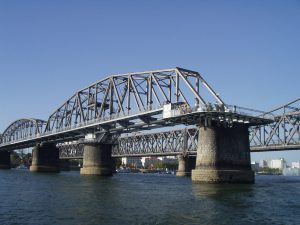
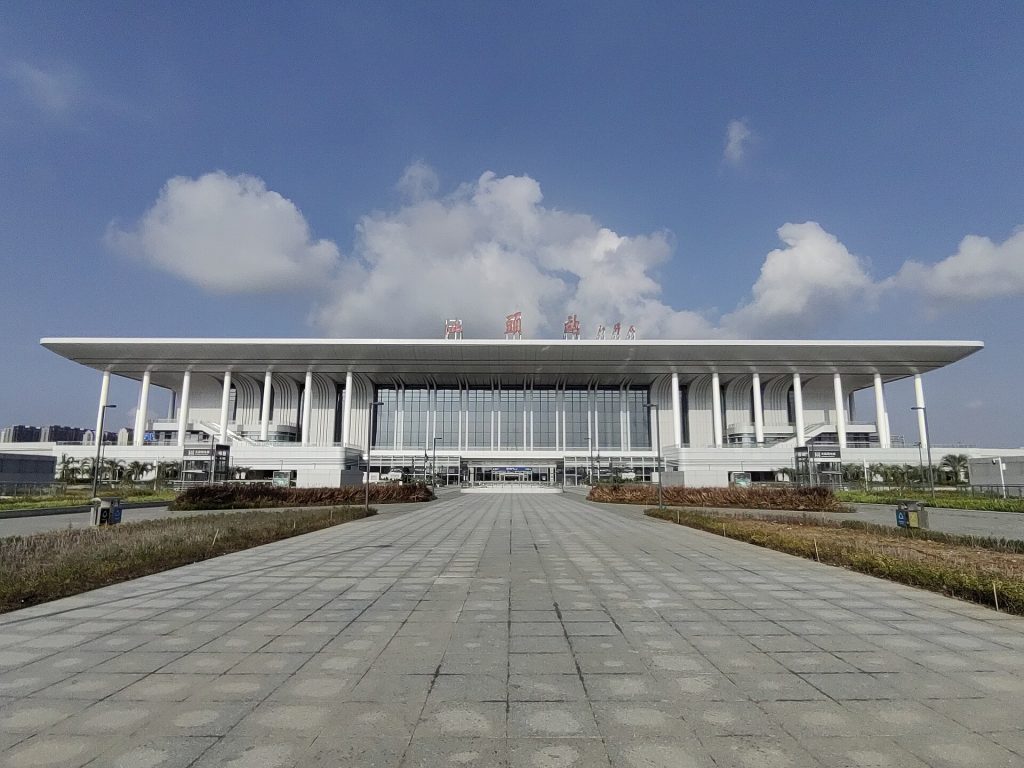
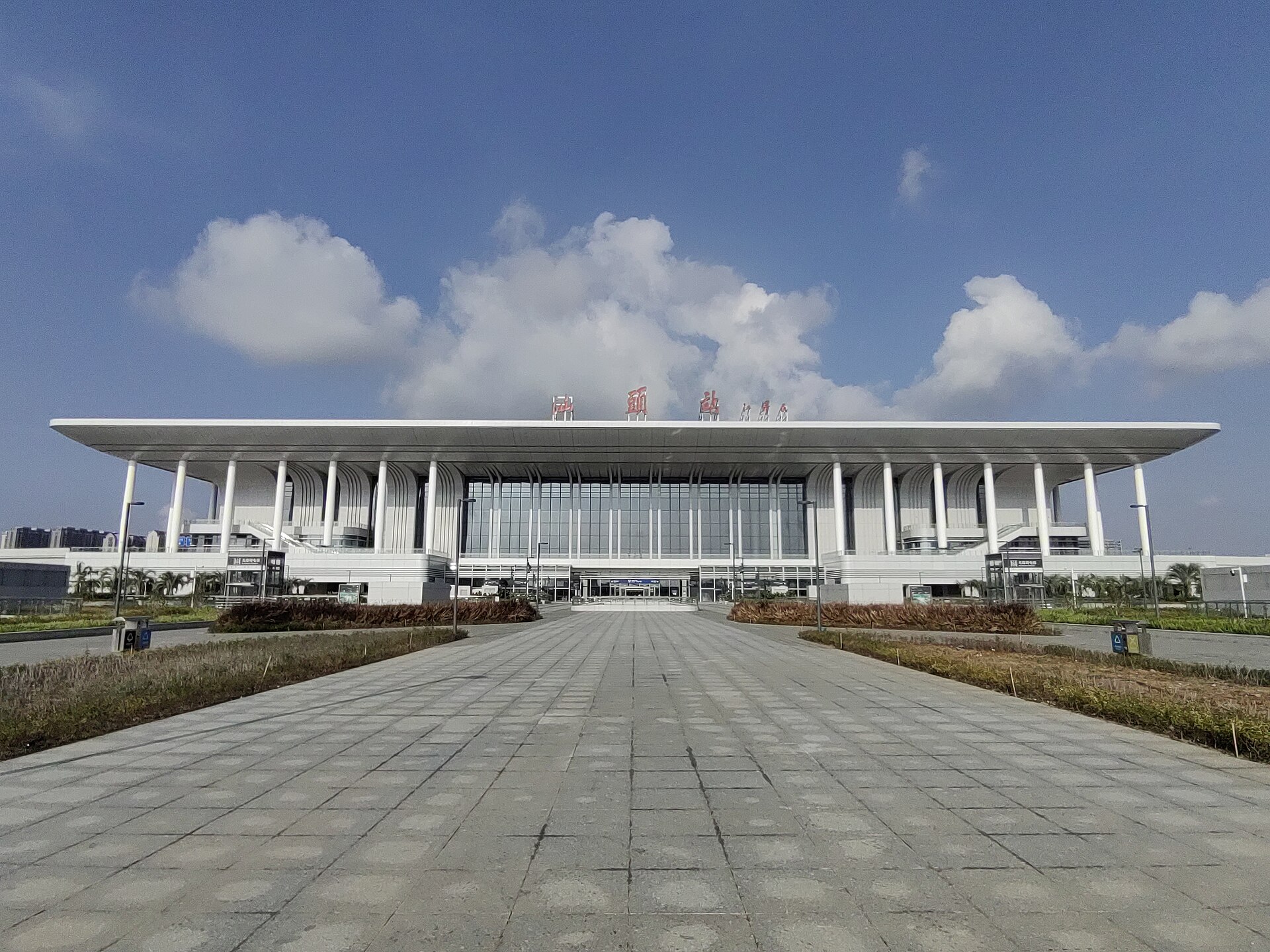
Shantou’s high-speed rail station puts Chaozhou twenty minutes away. Go. The ancient city wall and the Guangji Bridge (广济桥)—a mix of stone piers and a floating section of boats—are worth the trip alone. But the real reason is the afternoon tea culture. In Chaozhou, “tea” means a marathon. You sit at a low table in a courtyard house. A server brings a tiny clay stove, a sand-filled tray, and a Yixing pot. The ritual—warming cups, rinsing leaves, the high pour, the low pour—takes twenty minutes before the first sip.
Order the “Three Treasures” if you’re hungry: steamed rice rolls with dried shrimp and chives, peach-shaped kueh stuffed with glutinous rice and peanut, and a bowl of beef ball soup so clear you can see the bottom of the porcelain. Stay for three rounds. The fourth is on the house if the boss likes your face. Locals conduct business, settle disputes, and arrange marriages over these tables. Watch. Listen. You’ll learn more about the region in two hours than a guidebook delivers in two hundred pages.
Eating Your Way Through the Night
Back in Shantou, the day doesn’t end at sunset. It shifts to the night markets. The one near Jinsha Park (金沙公园) sprawls under banyan trees strung with bare bulbs. Smoke curls from charcoal grills. You navigate by smell: oyster omelets crisp at the edges, beef hot pot bubbling with satay sauce, rice noodle rolls steamed to order on bamboo trays. A bowl of beef kway teow here costs less than a coffee in Shanghai and tastes like someone’s grandmother stirred it.
Look for the stall with the longest line of locals. That’s the rule. Point. Pay. Find a plastic stool. The chili sauce is homemade—fermented bean, garlic, citrus peel, dried shrimp. Spoon it generously. Sweat through your shirt. That’s the correct way to eat.
- Must-try dishes: Beef hot pot (牛肉火锅), oyster omelet (蚝烙), rice noodle rolls (粿条), Teochew braised goose (卤水鹅), sugar cane juice pressed fresh from the stalk.
- Ordering tactic: No English menus. Photos on the wall help. Otherwise, watch what the table next to you gets and point.
- Payment: WeChat or Alipay QR codes everywhere. Carry small cash (10 and 20 yuan notes) for the tiniest stalls.
- Pacing: Eat one dish per stall. Move on. Three stalls make a meal.
Getting Around Without Losing Your Mind
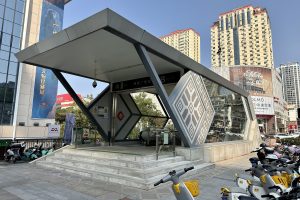
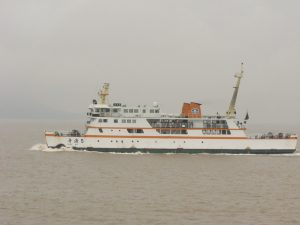
The metro line runs east-west but misses the Old Town and the ferry terminal. Buses are cheap and frequent but the routes are a puzzle even for locals. Taxis are plentiful; insist on the meter. Drivers may claim it’s broken—wave your phone with a ride-hailing app open and they’ll suddenly remember how it works. For Nan’ao, the public bus from the city center takes ninety minutes and drops you at the main town. The scooter rental there is the only sane way to explore the coastline.
If you’re brave, rent a shared e-bike via the Meituan or Alipay app inside the city. Scan, ride, park legally (the designated zones are painted on sidewalks). Helmets are theoretically required; nobody wears them. Traffic flows on intuition. Keep your elbows in and your head on a swivel.
What Trips Up Newcomers
Assuming everyone speaks Mandarin. Many older residents only speak Teochew. Younger people speak Mandarin but may be shy about it. Learn three phrases: “m goi” (thank you/excuse me), “ho bho” (is it good/okay?), and “jia lat” (delicious). Pronunciation doesn’t matter. The effort does.
Booking a “sea view” hotel in the city center. The sea is kilometers away, blocked by industrial parks and highways. Stay near the Old Town for atmosphere, or on Nan’ao for actual ocean.
Skipping the morning market. The wet market on Dongxia Road (东厦路) at 6 a.m. is chaos in the best way—live eels, mountains of preserved radish, women deboning chickens with cleavers that never miss. Go hungry. Eat a bowl of plain congee with pickled vegetables at the stall in the back corner. It costs pocket change and resets your palate for the day.
Treating the Special Economic Zone label like Shenzhen. Shantou’s SEZ status dates to the 1980s but the glitz never arrived. That’s the charm. The factories hum in the suburbs. The center keeps its rhythm. Don’t expect skyscrapers and luxury malls. Expect texture.
The minibus drops you back at the railway station as the winter sun drops behind the hills. Your bag smells of garlic, salt, and woodsmoke. The train to Guangzhou pulls in—three hours, comfortable, forgettable. You’ll be back before the lychees ripen.