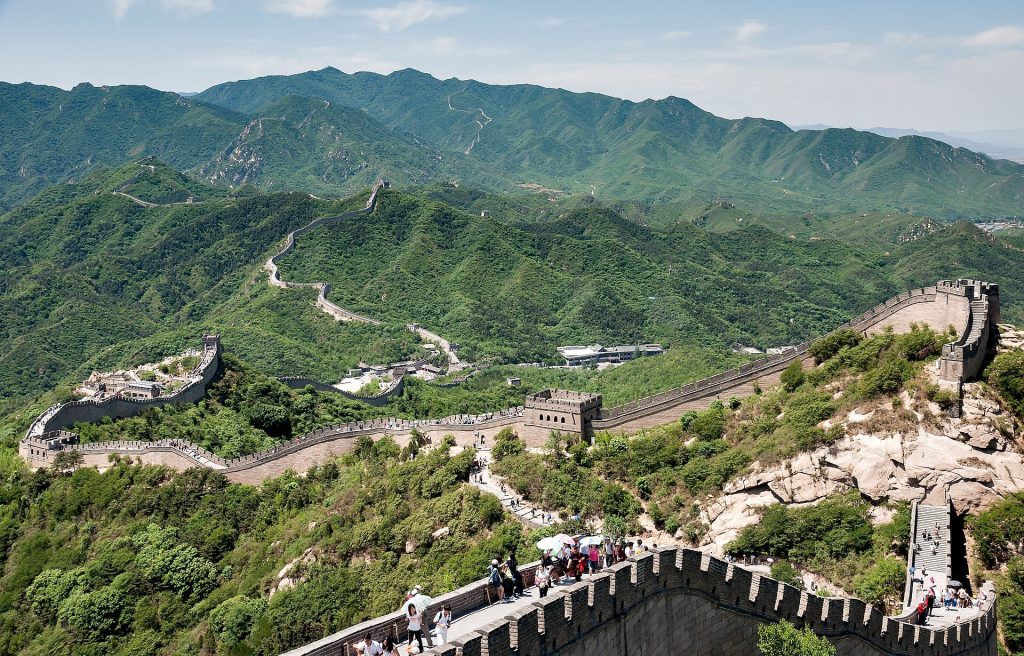
Badaling in early December is a colder, sharper, sometimes quieter Great Wall than the one many visitors met in October. The battlements are the same famous profile northwest of Beijing; the day is not. Light arrives late, wind finds every gap in a light jacket, and official hours or cable services may already be on a winter timetable. This is a seasonal overlay, not a repeat of the November Badaling guide, and not a substitute for the Mutianyu-versus-Badaling choice piece.
Read Badaling November guide if you want the late-autumn version, Mutianyu Great Wall early December if Mutianyu in the same season is still in play, and Mutianyu vs Badaling Great Wall if you have not yet chosen a section. A city-level frame is Beijing early December first-visit planner.
Recheck official hours and tickets near your date
We do not invent ticket prices, cable-car or pulley-car fees, or opening hours. Badaling is a managed site with official ticket channels and posted times that can shift toward winter. Cable or shuttle elements may run shorter days, pause in weather, or ask you to walk a stretch you had planned to ride. Buy or reserve only through official or clearly authorised channels for the date you will stand on the wall, and re-read the hours the week you go—not the week you first book the hotel.
If a live notice disagrees with a blog, including this one, follow the official page or the gate sign. Early December 2026 is close enough to mid-winter that a “usually open until late afternoon” memory from a summer visit is the wrong planning tool.
Cold, wind, ice, and clothing
The wall is exposed. Early December air in the hills is often dry and cold, and the wind along a ridge does not care that downtown Beijing felt only brisk. Wear a real coat, a hat, gloves you can still use with a phone, and shoes with a sole that will negotiate worn stone. After a freeze or a light snowfall, treads and shaded steps can be slick. We will not predict ice on your morning; we will tell you to look at the forecast and at the stone in front of you, and to turn back from a section that is clearly unsafe rather than completing a photograph.
Weekdays are often calmer than weekends and Chinese public-holiday clusters. Early December is not itself a national holiday season in the Christmas sense, but a clear Saturday can still fill coaches and the first watchtowers. Starting earlier than your comfort instinct is the simplest crowd tool you have, and it also buys daylight. Sunset comes earlier than in November; leaving downtown late is how people see the wall mainly as a scramble toward the exit.
Bring water and a small snack anyway. Outdoor stalls and indoor warm-up spots are not something we will inventory or price.
Getting there from downtown, and leaving enough day
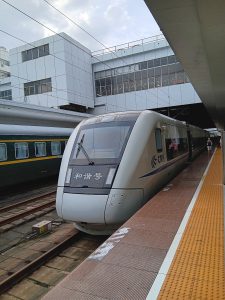
Badaling is a half-day to a long half-day from central Beijing when you count the ride, security, the walk on the wall, and the ride back. Transit options typically include railway services toward the Badaling area, coaches, and organised transfers; we do not invent timetables. Check the official railway or bus information for your date, and keep a return that does not depend on the last unspecified departure. A taxi or Didi can close a gap, at a cost you should see in the app rather than in a blog fare table (Didi ride-hailing for foreigners).
Pairing Badaling with a packed Forbidden City morning is how an early-December short day becomes a tired evening. If you have only one wall day, give the wall the day.
When Mutianyu may still be a better fit
Badaling is famous, photogenic, and relatively straightforward to reach, which is also why it can feel busy and commercial. Mutianyu is a different ridge, with its own ticket rules, access, and early-December character, which Mutianyu Great Wall early December covers. Some travellers still prefer Mutianyu for the walk and the crowd texture; some prefer Badaling for logistics. Mutianyu vs Badaling Great Wall and which Great Wall section near Beijing exist so this page does not repeat that comparison. If anyone in your group dislikes steep, cold steps, choose the section and the transport mode with that person in mind, not with a default famous name.
After the wall, downtown Beijing will already be heading toward an early dusk. Plan a simple indoor dinner and a short evening, not a second major outdoor site. Official Badaling notices remain the source of truth for hours and access. Recheck them, dress for wind, and treat early December as a real winter visit rather than a cooler tourist brochure.
A sample early-December shape, not a timetable
A workable shape, if official hours that week support it, is: leave central Beijing in the morning, arrive without treating the wall as an afterthought to another ticketed site, walk a section you can also walk back, pause in any indoor or sheltered space the site offers, and descend with daylight still on the parking or railway approach. We will not clock this in hours. If anyone in the group is sensitive to wind or heights, agree in advance which watchtower is “far enough.”
Photograph the official map at the entrance. Signal and sense of direction both get worse when fingers are cold and several staircases look the same. The way down is part of the visit; save water, attention, and a little battery for it.
If weather turns—heavy wind, ice, a forecast you would not walk a ridge in at home—it is allowed to change the day. Beijing has indoor museums and a long lunch. A wall in unsafe conditions is not a box you must tick because the hotel is already paid for. Official access notices and the staff in front of you decide what is open; your judgement decides whether your group should be on it.
Related Lovely China reading
For payments, start with Alipay and WeChat Pay hub and WeChat Pay vs Alipay for tourists. For trains, keep high-speed rail first-timers guide and 12306 passport signup for foreigners handy. City hubs: Beijing first-visit guide, Shanghai first-visit guide. Connectivity: roaming vs local SIM honest guide, pocket Wi-Fi vs eSIM for China, offline maps for foreigners. Bookmark China travel tools page.
Practical checklist
- Confirm official rules on the relevant government, park, airline, or bank page near your travel week
- Screenshot bookings, tickets, and QR codes while you still have stable Wi-Fi
- Save hotel and attraction names in Chinese characters in your phone notes
- Carry passport, a backup payment method, and a small cash float (why cash is still needed)
- Test one small mobile payment before you rely on wallets at a gate or taxi
- Keep the China travel tools page page bookmarked for related Lovely China hubs
FAQ
What are the official early-December hours and ticket prices?
We do not invent them. Use official Badaling ticket channels and re-check hours the week you go; a winter timetable is possible, and cable or shuttle services may run shorter days or pause in weather.
Is this the same as the November Badaling guide or the Mutianyu December piece?
No. This is the early-December Badaling overlay: wind, ice risk, earlier dusk, and a reminder that Mutianyu may still fit some travellers better. Use those sibling articles for the other angles.
What should I screenshot before I lose Wi-Fi?
Official dated tickets or reservations, opening guidance for that day, the entrance name in Chinese, and your return plan to downtown Beijing.
Notes for late 2026 travellers
November and early December bring cooler mornings, earlier sunsets, and comfortable walking weather across much of eastern and central China. Pack layers and leave extra time on clear weekends at popular sights.
This article does not invent ticket prices, opening hours, processing times, consular fees, or official statistics. When a number matters, verify it on the official site, app screen, or ticket board near your travel week.
If an official rule page disagrees with this guide, follow the official page. Lovely China orients English-speaking travellers; we are not an immigration, banking, or medical authority.