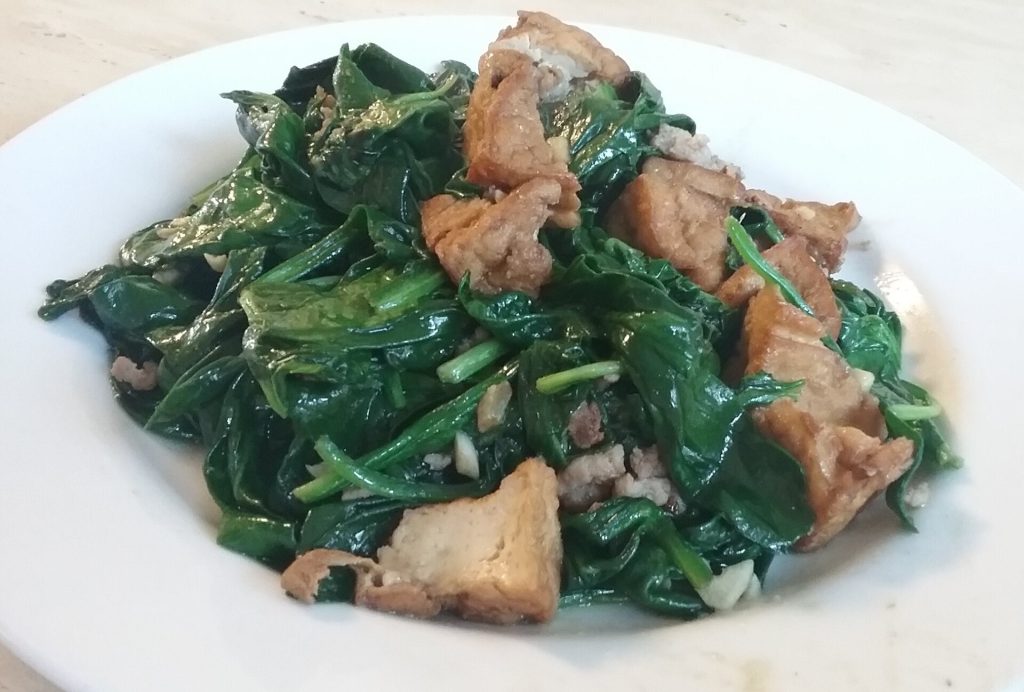
Eating vegetarian or vegan in Chinese restaurants is possible, common in some rooms, and full of quiet exceptions in others. A dish that looks like only vegetables may be finished in lard, a drop of ham, oyster sauce, or a stock that started with chicken or pork. This guide is about flagging those hidden ingredients, finding Buddhist-style restaurants, using a few useful phrases, and setting a realistic expectation in everyday canteens. It is not a nationwide certification map, and it is not a reprint of the general menu-ordering piece.
For how to point at a menu at all, use how to order from a Chinese menu. Camera translation is camera and offline translation apps. If you visit a temple and its surroundings, Chinese temple visit etiquette covers courtesy; chopsticks etiquette for foreigners is the table-tool sibling.
素, 净素, and what a kitchen may still include
素 (sù) often means vegetarian in a loose, everyday sense. In many kitchens it can still allow eggs and dairy, or a broth you would not have assumed. 净素 or a Buddhist 斋 (zhāi) frame is usually stricter, sometimes aiming at no meat, no fish, and often no strong alliums, depending on the house. None of these labels is a government vegan stamp. We do not invent a national certification system. Ask, and read the room.
Hidden animal products that surprise foreigners include:
- Lard or other animal fat in a wok that also fries vegetables
- A small amount of minced ham, bacon, or dried shrimp as “flavour”
- Oyster sauce on greens
- Chicken, pork, or bone stock under a tofu or vegetable stew
- A meat garnish on an otherwise plant-based plate
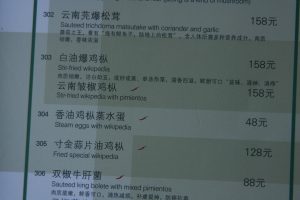
A camera translation may say “vegetable tofu” and skip the stock. That is a limit of the tool, not a guarantee.
How to ask, in words and on paper
Useful, ordinary phrases include asking whether a dish has meat (有没有肉), whether it is vegetarian (是不是素的), and, if you need a stricter line, that you do not eat meat, fish, lard, or stock. For vegans, say that you also do not eat egg or dairy, and that oyster sauce is a problem. Written characters on a small card travel better than a rushed sentence at a busy pass.
Be specific. “No meat” may be heard as “no chunks of pork,” not as “no chicken broth.” If the server looks unsure, choose a simpler dish—plain greens, plain rice, a tofu you have confirmed—or change restaurants rather than hoping a complicated request will survive a busy wok line.
In a shared meal, tell the table early so the person who orders can include a safe dish, and so a lazy Susan of mixed food does not become your only option. Serving habits belong in the shared-dish etiquette piece; the point here is only that communal tables make hidden stock a group problem.
Buddhist restaurants, temple canteens, and big-city reality
Cities such as Shanghai, Beijing, Chengdu, and others often have 斋 restaurants or Buddhist vegetarian houses that cook in a dedicated vegetarian kitchen. Those rooms are usually the lowest-stress option for vegans and for travellers who are tired of decoding every garnish. They are not automatically vegan in every item—egg or dairy can still appear—and they are not “temple food” in a mystical sense. Read the menu, still ask, and do not assume a restaurant next to a temple is a religious kitchen. Some are ordinary meat restaurants in a tourist street (Chinese temple visit etiquette).
We do not publish a count of vegetarian restaurants, and we do not claim that every temple canteen is open to casual visitors or is vegan. Where a temple does serve food, follow posted rules and ordinary courtesy.
In smaller towns and ordinary staff canteens, the everyday kitchen is often meat-forward. You can still eat: rice, noodles you have confirmed, simple greens, egg dishes if you eat egg, and fruit. You may have fewer choices, and you may eat less exciting meals for a day. That is a realistic limit, not a failure of planning.
Hotel breakfasts vary. Look at what is actually on the buffet rather than at the word “salad,” and ask about the soup.
A practical approach for a trip
- Eat your most careful meals in dedicated vegetarian or 斋 restaurants when a city has them
- Carry a short allergy-or-diet card in Chinese, and show it before the order is taken
- Prefer simple preparations over “mystery house specials” when you cannot confirm the sauce
- Use how to order from a Chinese menu methods—photos, pointing, set meals—then add the vegetarian questions on top
- Do not rely on a single translated word if a medical or ethical line is strict
Early December does not change the cooking fat, but it does change how long you want to wander looking for a perfect restaurant in the cold. Decide the day’s food neighbourhood before you are already hungry. Official labels are whatever the house prints; this guide will not invent a certificate. Ask clearly, accept a simpler plate when the kitchen is unsure, and save the experimental banquet for a room that already cooks the way you eat.
Related Lovely China reading
For payments, start with Alipay and WeChat Pay hub and WeChat Pay vs Alipay for tourists. For trains, keep high-speed rail first-timers guide and 12306 passport signup for foreigners handy. City hubs: Beijing first-visit guide, Shanghai first-visit guide. Connectivity: roaming vs local SIM honest guide, pocket Wi-Fi vs eSIM for China, offline maps for foreigners. Bookmark China travel tools page.
Practical checklist
- Confirm official rules on the relevant government, park, airline, or bank page near your travel week
- Screenshot bookings, tickets, and QR codes while you still have stable Wi-Fi
- Save hotel and attraction names in Chinese characters in your phone notes
- Carry passport, a backup payment method, and a small cash float (why cash is still needed)
- Test one small mobile payment before you rely on wallets at a gate or taxi
- Keep the China travel tools page page bookmarked for related Lovely China hubs
FAQ
Does 素 on a menu mean the dish is vegan?
Not necessarily. 素 is often a loose vegetarian label and may still allow eggs, dairy, lard, oyster sauce, or animal stock. 净素 or a Buddhist 斋 restaurant is usually stricter, but it is not a national vegan certificate—ask, and be specific.
Are restaurants next to temples always vegetarian?
No. Some are ordinary meat restaurants on a tourist street. Dedicated 斋 kitchens are the lower-stress option when you can find them, and even then you should still confirm egg, dairy, and sauces.
What should I carry with me?
A short diet card in Chinese that lists what you do not eat, including stock, lard, and oyster sauce if those matter, plus a camera translation app with an offline pack.
Notes for late 2026 travellers
November and early December bring cooler mornings, earlier sunsets, and comfortable walking weather across much of eastern and central China. Pack layers and leave extra time on clear weekends at popular sights.
This article does not invent ticket prices, opening hours, processing times, consular fees, or official statistics. When a number matters, verify it on the official site, app screen, or ticket board near your travel week.
If an official rule page disagrees with this guide, follow the official page. Lovely China orients English-speaking travellers; we are not an immigration, banking, or medical authority.