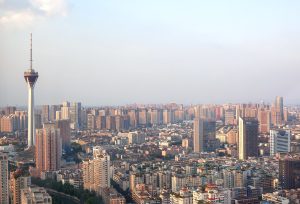
Xiamen is arguably at its absolute best in late autumn. While the rest of China cools down rapidly, this southeastern port city enjoys a blissful climate in November—offering mild days, low humidity, and refreshing sea breezes. Devoid of the scorching summer heat and swarming domestic peak crowds, November invites you to take your time wandering colonial-era alleys, cycling along oceanfront highways, and feasting on fresh seafood.
Whether you are plotting your first trip or mapping out a southern coastal detour, this guide breaks down everything you need to know for a seamless Xiamen experience.
—
1. Weather and What to Wear
November in Xiamen is characterized by clear skies, minimal rainfall, and pleasant daytime temperatures hovering between 16°C and 23°C (61°F–73°F).
* The Vibe: Early November can still feel warm under direct sunlight, while late November brings crisper evenings with cooler air rolling off the Taiwan Strait. Humidity levels drop significantly compared to the sticky summer months, making outdoor exploring exceptionally comfortable.
* What to Pack: Pack lightweight layers—t-shirts or long-sleeve shirts for the afternoon, paired with a light jacket, cardigan, or windbreaker for evenings or coastal walks. Bring comfortable walking shoes for cobblestones and sun protection (sunglasses and sunscreen).
—
2. Navigating Gulangyu Island: Ferries, Queues, and Tickets
No trip to Xiamen is complete without visiting Gulangyu Island, a pedestrian-only car-free sanctuary famed for its Victorian-era architecture and winding lanes. However, logistics can trip up first-time visitors.
* Booking Ahead: Do not turn up expecting to easily buy prime-time tickets on the spot. Foreign visitors should book ferry tickets 3 to 5 days in advance via platforms like Trip.com or the official local tourism mini-programs. You will need your passport details handy.
Departure Terminals: Tourists generally depart from the International Cruise Center Ferry Terminal (to Sanqiu Tian or Piansuo* pier on Gulangyu). Avoid the local commuter ferry terminals unless specified.
* Avoiding Scams: Ignore freelance taxi drivers or touts near the piers claiming tickets are sold out or offering inflated “VIP” tour packages. Stick to your pre-booked e-tickets and scan your physical passport directly at the terminal turnstiles.
* Island Exploration Strategy: Once on Gulangyu, skip the maps and let yourself get delightfully lost in its maze of historic villas, quiet gardens, and piano-themed alleyways. Wear your most comfortable walking shoes, as the entire island must be navigated strictly on foot.
—
3. Scenic Strolls: University Road and Huandao Road
Xiamen’s layout practically begs to be explored on foot or by bicycle.
* University Road (Daxue Lu): Stretching near the historic Xiamen University campus, this creative corridor blends old shophouses with indie cafes, art galleries, and small design boutiques. It offers a trendy yet laid-back neighborhood feel where local art students and travelers mingle over pour-over coffee.
* Huandao Road (Island Ring Road): For the ultimate coastal view, rent a shared bicycle or take a seaside stroll along Huandao Road. The route hugs golden beaches, jagged rock formations, and green boardwalks, with uninterrupted views of the open ocean. Late afternoon is the premier time to ride, catching the golden hour light shimmering across the Taiwan Strait.
—
4. Smart Seafood Ordering Without Overpaying
Xiamen is a haven for seafood lovers, but popular tourist spots can sometimes feature inflated pricing traps. Follow these rules to eat like a local without burning a hole in your pocket:
* Inspect the Weights and Scales: Ensure seafood is weighed in front of you and that the container tare (weight of the basket) is properly zeroed out.
Ask for Prices Upfront: Always clarify whether the listed price is per jin* (500 grams) or per single item, especially for high-ticket items like mantis shrimp, mud crabs, and abalone.
Where to Go: Skip the immediate storefronts right outside major scenic areas. Instead, head to local wet markets like Bashi Seafood Market (Siming Eighth Market), where you can pick your fresh catch and pay a nearby small restaurant a modest cooking fee (jiagong) to steam or stir-fry it to order. Don’t leave without trying local specialties like peanut soup (huasheng tang) and savory worm jelly (tuzhu dong*).
—
5. Day Trip to the Fujian Tulou Clusters
If you want to step back in time, a day trip to the legendary Fujian Tulou (ingenious circular or rectangular rammed-earth earthen dwellings built by the Hakka people) is a must.
* Realistic Timing: Most iconic clusters, such as Nanjing County’s Tianluokeng Tulou Cluster (the “four dishes and a soup” formation), are about a 2.5 to 3-hour drive each way from Xiamen Island.
* How to Get There: While high-speed trains run to nearby stations like Nanjing or Zhangzhou, connecting local buses can be infrequent. For a single-day turnaround, booking an organized day tour or hiring a private car via your hotel or a digital travel app is vastly more efficient for foreign travelers. Depart by 7:30 AM to maximize your daylight hours.
* Architectural Wonder: Designated as UNESCO World Heritage sites, these multi-story fortress-like compounds were engineered to house entire clans securely while maintaining exceptional natural ventilation and defensive capabilities.
—
6. Hidden Cultural Gems: Zengcuo’an and South Putuo Temple
Beyond the main coastal arteries and island ferries, Xiamen holds rich cultural and creative enclaves that reward a deeper look.
* South Putuo Temple (Nanputuo Si): Nestled at the foot of Wulao Peak right next to Xiamen University, this magnificent Tang-dynasty Buddhist temple complex is renowned for its tranquil lotus ponds, grand halls, and vegetarian mooncakes. Climbing the rocky steps behind the temple rewards you with sweeping panoramic views over the campus and the harbor.
* Zengcuo’an Village: Once a sleepy fishing hamlet tucked along the southeastern coastline, Zengcuo’an has transformed into a vibrant artistic village packed with quirky craft shops, seafood snack stalls, and indie music bars. While it can get lively on weekends, visiting on a crisp weekday morning in November lets you appreciate its bohemian charm at a relaxed pace.
—
7. Getting Around: Metro, BRT, and Digital Essentials
Xiamen features a clean, highly efficient public transit system that makes navigating the city straightforward.
* Metro and BRT: Xiamen’s Metro lines cover most major urban hubs, while the elevated Bus Rapid Transit (BRT) system runs on dedicated lanes above traffic, offering fast cross-city travel.
* Digital Convenience: To ride public transit, scan QR codes seamlessly, or pay for meals and transport, make sure your tech stack is sorted before you land. Review the China SIM and eSIM for Foreign Visitors in 2026 to stay connected. To handle payments effortlessly across local markets and restaurants, consult the Alipay and WeChat Pay for Foreign Visitors in China 2026. Finally, if you need to look up walking routes, metro exits, or find hidden cafes on the fly, reference the How to Use Amap (Gaode Maps) in China as a Foreigner: 2026 English Guide.
—
Frequently Asked Questions (FAQ)
* Q: Do I need a visa to visit Xiamen in 2026?
A: Visa requirements depend on your nationality. Many travelers can take advantage of China’s expanding transit-without-visa policies or short-term visa waivers if eligible. Check with your local Chinese embassy or official channels well in advance of departure.
* Q: Is November too cold for swimming in Xiamen?
A: Yes, water temperatures in late autumn drop below comfortable swimming levels, and sea breezes can feel brisk. November is ideal for scenic coastal cycling, walking, and sightseeing rather than beach lounging.
* Q: How many days should I allocate for Xiamen?
A: Allocate at least 3 full days: 1 day for Gulangyu Island, 1 day for urban highlights (University Road, South Putuo Temple, and Huandao Road), and 1 dedicated day trip to the Fujian Tulou clusters.
—
What area of Xiamen’s food or coastal scene are you most excited to explore first?