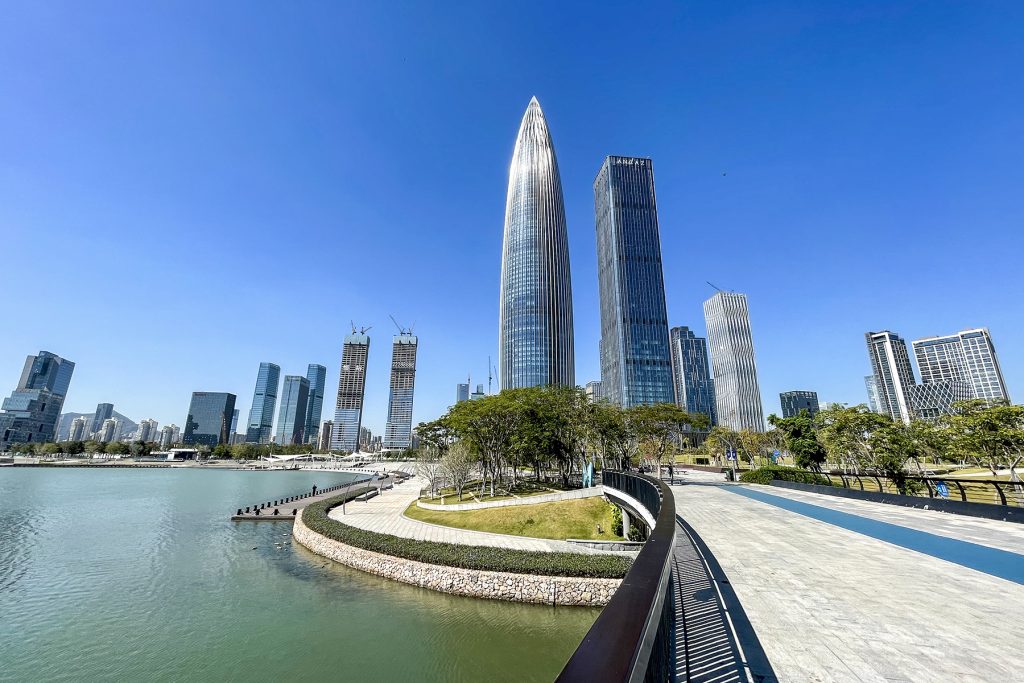
Why Shenzhen works for a first autumn visit
Shenzhen rewards first-timers who treat the city as a metro-and-coast place rather than a skyline checklist. Futian and Luohu give you clear hotel bases, the metro covers most visitor zones without constant taxis, and Shenzhen Bay and coastal parks offer evening walks that feel calmer than packed old-town lanes. Early autumn 2026 is a practical window: days stay warm, evenings ease toward lighter layers, and you can still choose dates that sit outside the densest national holiday blocks.
Calendar anchors matter before you lock flights or trains. Mid-Autumn Festival falls on Friday 25 September 2026, with a short holiday roughly 25–27 September and a makeup workday on Sunday 20 September. National Day Golden Week runs roughly 1–7 October 2026, with a makeup workday on Saturday 10 October (official makeup days per 国办发明电〔2025〕7号). If your Shenzhen dates sit near either holiday, skim Golden Week 2026 vs Mid-Autumn so coastal walks, shopping malls, and station halls feel less surprising.
You do not need to “see everything.” A calm first visit usually means one coastal or bay walk done well, one neighbourhood food evening, one metro day that builds confidence, and honest rest between humid outdoor hours.
Getting in and choosing a hotel zone
Arrive by rail, metro, or fly — then simplify
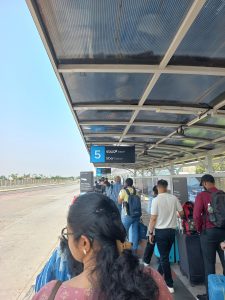
Most foreign visitors reach Shenzhen by high-speed train into Shenzhen North (Shenzhenbei) or Shenzhen Railway Station / Luohu area, by flying into Shenzhen Bao’an International Airport, or by crossing from Hong Kong. Decide your hotel zone before you land: near Futian for CBD and park access, near Luohu for older commercial streets and the Hong Kong border edge, or near a bay/coastal metro stop if evening walks matter more than nightlife.
Book trains early if you are chaining cities around Mid-Autumn or Golden Week; the 12306 booking guide for visitors walks through the practical flow. Keep passport access easy for hotel check-in; see China hotel check-in with a foreign passport.
Metro first, Didi when tired
Shenzhen’s metro is bilingual enough on major lines for a first-timer. Learn your hotel’s nearest station name in Chinese characters and pinyin, screenshot the exit letter your map suggests, and keep one working mobile payment method ready. Set up Alipay and WeChat Pay for foreign visitors before you rely on gates after a long ride. Confirm data works on landing — see China SIM and eSIM for foreign visitors.
Use metro for predictable day moves. Switch to Didi for foreign visitors when you have luggage, rain, late evenings, or a late return from a bay dinner. Do not treat every short hop as a taxi problem — shaded streets and mall air-conditioning are part of why humid cities still feel walkable when you pace them.
Practical habits:
- Save hotel address cards in Chinese for drivers and hotel staff.
- Confirm exit letters before you climb long stair flights with a suitcase.
- Carry a light layer for air-conditioned cars and evening bay breeze.
- Keep water and a simple snack for long transfer walks at Shenzhen North.
Coastal walks and Shenzhen Bay without rushing
Choose a stretch, not a skyline race
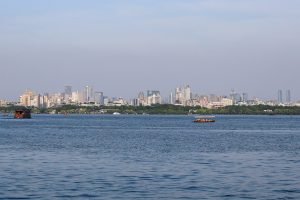
Shenzhen Bay and nearby coastal parks give you a clear orientation line: water on one side, towers on the other. Pick one coherent stretch for your first evening:
1. Afternoon settle-in near your hotel metro stop.
2. Early evening walk along a lit bay or park path with clear wayfinding back to the station.
3. Optional pause for a simple meal or dessert shop without crossing the city again.
4. Early return if humidity or crowds rise — another night is better than forcing a second park.
You do not need to tick every named viewpoint on night one. Walk until the light looks good, sit when the path thickens, and treat the bay edge as a linear park rather than a photo race.
Parks, boardwalks, and pacing
Boardwalks and park paths can feel dramatic at sunset; they also add distance and wind. Pace them like exercise, not like a checklist. If a famous photo spot is shoulder-to-shoulder, walk further along the path — the water edge is long.
Crowd-aware pacing without fake numbers:
- Start bay walks earlier than the late-evening tour wave when your energy allows.
- Eat slightly off peak (earlier dinner) so you are not hunting for seats while tired.
- If a viewpoint platform feels packed, keep walking; Shenzhen’s coastal edge has more space than one iconic railing.
Neighbourhood day shapes that fit a first visit
Futian’s parks and CBD blocks reward short outdoor sessions mixed with mall or café breaks. Luohu’s older commercial streets reward atmosphere and one focused stop rather than all-day marches. OCT and creative-park style zones work when you want galleries and outdoor seating without stacking three districts in one afternoon.
Day shapes that stay calm:
- Morning metro practice to one park or museum block, midday air-conditioning, late afternoon bay walk.
- One food neighbourhood evening instead of a second monument.
- A rain-day plan that swaps outdoor photos for a mall, bookstore, or indoor cultural stop.
If you are comparing Shenzhen with other early-autumn city bases, Guangzhou first visit in early autumn and Hangzhou first visit in early autumn are useful contrasts: Guangzhou centres on river and Cantonese meals; Hangzhou on lake and tea hills; Shenzhen is newer, more vertical, and easier to read as metro lines plus bay walks.
Day-trip edges — only if energy remains
Shenzhen sits next to useful day-trip edges (border connections, nearby coastal towns, or short rail hops), but first-timers often do better staying inside the city on days one and two. If you add a day trip:
- Confirm last metro and return rail times before you leave.
- Carry passport if any border or ID check is involved.
- Keep the day trip to one destination; stacking two “quick” edges creates the same fatigue as stacking districts.
Holiday note: Mid-Autumn (~25–27 September 2026) and Golden Week (~1–7 October) make day-trip stations and border halls busier. The Sunday 20 September makeup workday can also thicken weekday-style morning queues even though the calendar says Sunday. Prefer staying local on those peaks unless tickets and timing are already locked.
Food starts that stay calm
Shenzhen’s food culture mixes Cantonese roots with migrant-city variety. For a first visit, keep meals simple:
- One classic Cantonese lunch or morning tea where picture menus or staff help reduce stress.
- One evening neighbourhood meal near your hotel metro stop.
- Optional night-market or stall walk only after you know your return route — see first Chinese night market walk for pacing habits.
If QR ordering appears, QR menus for foreigners habits help: photograph the Chinese dish name, show staff, and confirm spice level out loud. You do not need a ten-restaurant checklist to enjoy the city.
Timing around Mid-Autumn and Golden Week 2026
Holiday evenings thicken near bay parks, major malls, and station plazas. On Mid-Autumn morning (Friday 25 September 2026) and across the ~25–27 September window, family gatherings and short trips raise foot traffic. Golden Week (~1–7 October) does the same at a larger scale.
Practical habits:
- Aim for earlier dinners and earlier park walks when your schedule allows.
- Keep one buffer half-day with no tickets so rain or fatigue does not break the trip.
- If shops or parks feel packed, switch to a quieter residential metro stop for coffee and a short walk — Shenzhen has many of them.
A simple three-day skeleton
Day 1: Arrive, hotel check-in, short metro practice, early dinner near your stop, early sleep.
Day 2: One park or CBD morning, midday rest, Shenzhen Bay or coastal evening walk, simple meal.
Day 3: One neighbourhood food focus or optional day-trip edge, then a calm last evening without new logistics.
That is enough. Shenzhen does not require inventing a denser itinerary to feel complete. Once metro exits and bay walks feel automatic, the city becomes an easy base for longer South China plans — and a friendlier practice ground before Mid-Autumn dinners or Golden Week departures elsewhere.