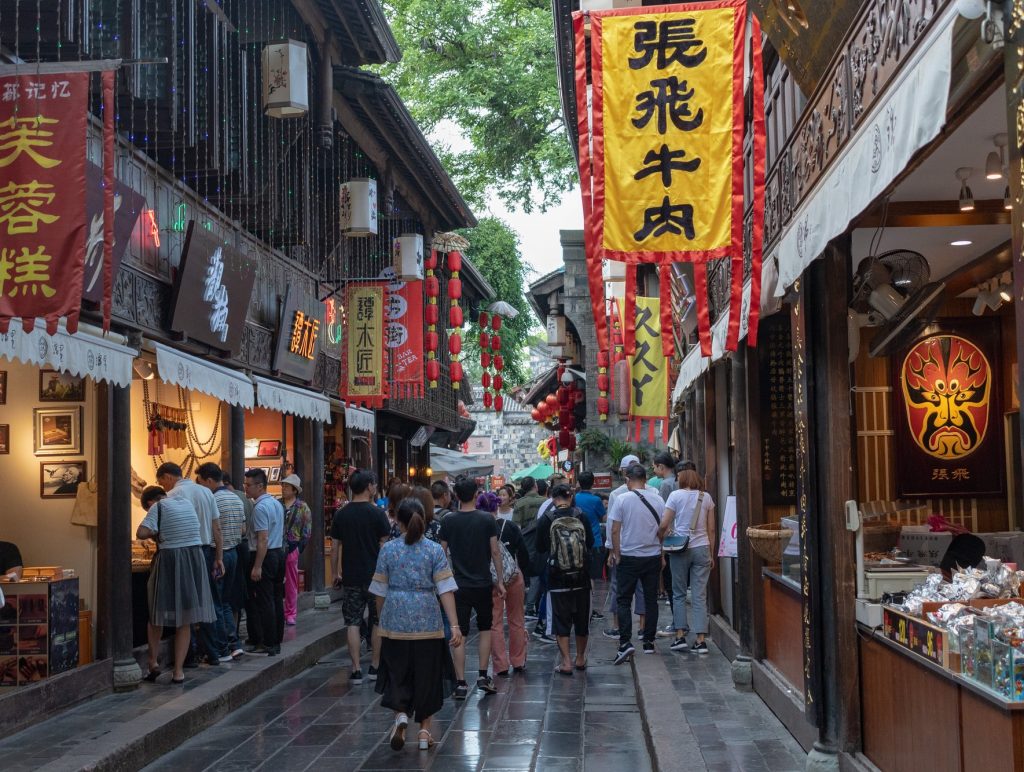
Why early autumn works for a first Chengdu visit
Chengdu is not a city you “finish.” It is a city you pace. For a first visit in early autumn 2026, two focused days beat a frantic checklist — especially if Mid-Autumn (Friday 25 September, short holiday roughly 25–27 September) or National Day Golden Week (roughly 1–7 October) sits near your dates.
White Dew (Bailu) begins Monday 7 September 2026. From then into late September, mornings are cooler for outdoor walking, evenings suit teahouse time, and the humidity of peak summer usually softens. Lock the panda base and outdoor neighbourhood walks into the quieter weekdays you can find; keep one indoor or café buffer if rain or holiday crowds reshape the day.
If your trip straddles both Mid-Autumn and Golden Week, skim Golden Week 2026 vs Mid-Autumn before you freeze hotel nights. Chengdu does not empty for either holiday — it reshuffles.
Before you arrive: payments, tickets, mindset
Foreign visitors still lean hard on mobile payments. Get Alipay and WeChat Pay working with your overseas cards before you need a late-night ride. Keep a little cash as backup, but expect many stalls and cafés to prefer a QR scan.
Mindset for two days: one panda-and-park morning plus a slow neighbourhood afternoon; one lanes-and-food day with room for hotpot or a lighter tea-house meal. Optional third day for Leshan or a longer Sichuan countryside hop — not crammed into the same evenings.
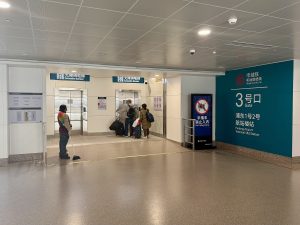
Chengdu Metro English signage on major lines is generally usable. Screenshot your hotel’s Chinese address and nearest exits. For airport or long cross-town hops, a working ride-hail setup saves stress; for short hops, metro plus walking often feels calmer.
Day 1 — Giant pandas first, then a soft landing
Morning: Chengdu Research Base of Giant Panda Breeding
The Chengdu Research Base of Giant Panda Breeding (often called the Panda Base) is the signature first-timer stop. Treat booking as non-optional homework, not a “maybe at the gate” plan.
According to the official ticket page at panda.org.cn, the base uses online real-name reservations, tickets can be reserved up to 14 days in advance, and sales stop when the daily quota sells out. Opening windows differ by season: for March–October, morning entry is typically 7:30–12:00 and afternoon entry 12:00–17:00, with park clearance later in the evening — always confirm the current hours on the official page before you go.
Practical booking notes for foreign visitors:
- Use an authorised channel listed by the base (official WeChat / mini program, or platforms such as Trip.com among those named on the official page). Avoid random social-media “fast entry” sellers.
- Enter your name and passport number exactly as printed on the passport you will carry.
- Bring that original passport. Follow signs for the passport / other-documents lane rather than mainland-ID gates.
- Morning sessions are usually better for panda activity; afternoon tickets can work if mornings are sold out, but do not arrive early for an afternoon slot hoping to sneak in sooner — staff manage entry by session.
Allow several unhurried hours. Walk, watch, and resist stacking a distant second attraction into the same morning. Pandas are the point of Day 1’s first half; rushing them to “save time” usually wastes the day.
Midday: Eat simply near your next neighbourhood
After the base, eat when you are hungry — noodles, a light rice set, or a clean caf — rather than forcing a famous hotpot lunch when you are already foot-sore. Save the big Sichuan meal for evening energy.
Afternoon: One neighbourhood deep — Kuanzhai or Jinli, not both at full throttle
Pick either the Wide and Narrow Alleys (Kuanzhai Xiangzi) or Jinli / Wuhou Temple area for a proper walk. Stacking both as photo checklists turns Chengdu’s leisure culture into a blur.
Kuanzhai rewards slow turns, courtyard glimpses, and a teahouse stop if you find a seat that feels calm. Jinli is more lantern-and-souvenir energy; it still works if you arrive with a short list and leave when the main strip feels compressed. Early autumn late afternoons here are made for shade, snacks, and people-watching — not for racing every side alley.
Evening: Hotpot or mapo — one serious Sichuan meal
Chengdu’s spice reputation is real, but heat level is negotiable. Tell staff you want mild or medium if chilli oil is not your comfort zone. Share a few dishes rather than ordering a wall of protein. If you want a fuller hotpot walkthrough later, our guide on Sichuan hotpot for first-timers in Chengdu covers broth choices and table rhythm without turning dinner into a test.
Drink water, pace yourself, and end early enough to sleep. Day 2 still needs legs.
Day 2 — Parks, temples, and slower Chengdu
Morning: People’s Park or a temple precinct
People’s Park (Renmin Gongyuan) is a classic soft morning: tea, locals practicing instruments or dancing, and a sense of Chengdu’s everyday pace. You do not need a perfect itinerary — you need curiosity and polite distance from private gatherings.
Alternatively, choose one temple or museum precinct and walk it properly. Confirm opening hours and any reservation rules on the official channel for that site; holiday weeks can alter access.
Midday: Sit-down meal, not a ranked-list pilgrimage
Order fewer dishes than you think you need. Autumn menus may feature seasonal vegetables and lighter broths alongside chilli classics. Ask about spice. Share. Leave room for an afternoon tea or café stop.
Afternoon: One more layer — river walk, café district, or short metro hop
Options that fit a first visit without requiring another city:
- A riverside or greenbelt walk if the weather is clear.
- A caf or bookstore neighbourhood for a slower hour.
- One small museum or gallery if that is your language.
What to skip on a two-day first visit: trying to “do” Leshan Giant Buddha, Mount Qingcheng, and every famous hotpot alley in the same afternoon. Each of those deserves its own half-day or overnight.
Evening: Soft landing near your hotel
Choose a neighbourhood dinner within easy reach of bed. Pack for the next morning if you are leaving by high-speed rail. Sleep.
Getting around and booking trains onward
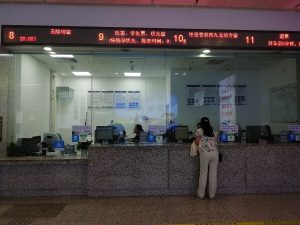
Chengdu’s metro covers many tourist nodes; ride-hail fills gaps. For leaving the city, book high-speed trains through official channels. Our walkthrough on how visitors book mainland trains on 12306 covers passport and app friction points.
If you are still arranging connectivity, China SIM and eSIM options for foreign visitors remain useful before you depend on maps and tickets all day.
Timing around Teachers’ Day, Mid-Autumn, and Golden Week
Teachers’ Day falls on Thursday 10 September 2026 — mainly a school and gift day, not a national travel shutdown, but campus areas and flower shops can feel busier. Mid-Autumn (25 September, holiday window roughly 25–27) brings family dinners, mooncake gifting, and domestic travel reshuffles. Golden Week (~1–7 October) is the heavier national travel peak.
Practical rule: if you can visit the Panda Base and outdoor lanes on ordinary weekdays before Mid-Autumn, do it. If your only window is a holiday week, book tickets earlier, start earlier, and accept that teahouses and night streets will feel fuller. Confirm every attraction’s current reservation rules on its official site rather than trusting a screenshot from last year.
A two-day sample rhythm (adjust freely)
Day 1: Early panda base simple lunch → Kuanzhai *or* Jinli walk → hotpot or quieter Sichuan dinner.
Day 2: People’s Park or one temple/museum → sit-down lunch one neighbourhood layer → early evening near hotel.
Optional Day 3: Leshan, Qingcheng, or a slower food day — not bolted onto Day 1’s evening.
What “success” looks like in Chengdu
You saw pandas without treating the base like a sprint. You walked one historic street at human speed. You ate at least one meal that tasted like Sichuan without punishing your mouth. You left one famous spot undone on purpose.
That unfinished list is not failure. In Chengdu, it is the invitation to come back — ideally still in the mild stretch of early autumn, before Golden Week turns every timetable into a negotiation.