<!–
title: Autumn Ginkgo Walks in Chinese Cities 2026
slug: autumn-ginkgo-walks-chinese-cities-2026
category: Culture
focus: autumn ginkgo walks Chinese cities 2026
meta: How to enjoy autumn ginkgo walks in Chinese cities in 2026 — peak colour timing after Mid-Autumn, park etiquette, photo tips, and calm routes before Golden Week.
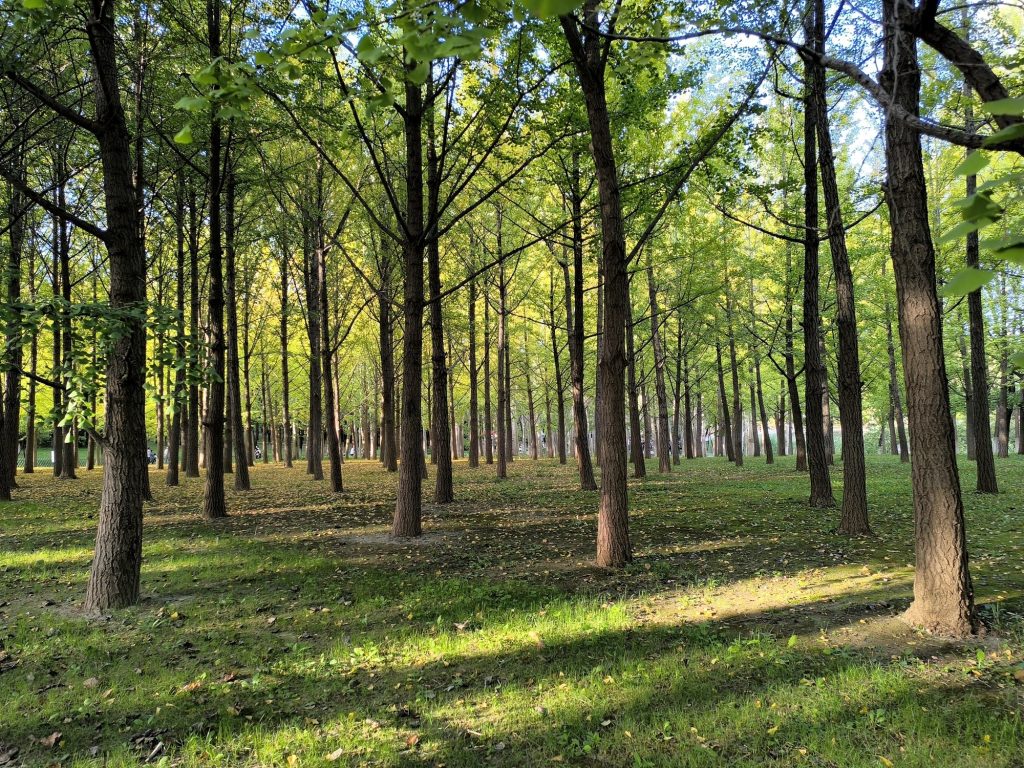
cover_alt: Golden autumn ginkgo forest path in Beijing Olympic Forest Park
cover_credit: Photo: 星外之神 / Wikimedia Commons (CC BY-SA 4.0)
word_count: 1287
–>
Why ginkgo season feels like a second festival
In many Chinese cities, ginkgo (银杏) season arrives as a soft second festival after Mid-Autumn. Leaves turn from green to butter-yellow, then carpet pavements in gold. Office workers take lunch detours under campus avenues. Families photograph children under temple trees that locals swear are older than the surrounding towers. For visitors and new expats, a ginkgo walk is one of the easiest autumn culture activities: free or cheap, photogenic, and readable without fluent Mandarin.
Mid-Autumn Festival 2026 falls on Friday 25 September (~25–27 September). Peak ginkgo colour in northern cities usually lands later — often mid to late October, sometimes into early November — so treat Mid-Autumn as the start of the autumn window, not the colour climax. Makeup workday 20 September and Golden Week 1–7 October (makeup 10 October, 国办发明电〔2025〕7号) squeeze travel calendars; a weekday morning ginkgo loop can feel calmer than a Golden Week day trip. Pair this guide with our autumn packing list for October–November if you are layering for cooler mornings.
What you are actually looking at
Ginkgo biloba trees line university campuses, river promenades, temple courtyards, and newer municipal parks. Famous individuals attract queues; ordinary street plantings can be just as beautiful with fewer elbows. The leaf shape is fan-like; fallen nuts (often called white nuts / 白果 when processed) can smell sharp on warm afternoons — that is normal, not a sanitation failure.
You do not need a “secret grove.” Ask a colleague or neighbour where people walk for 银杏 in late October. Campus avenues, botanical gardens, and Olympic-style forest parks in large cities are common answers. Temple courtyards may host ancient specimens; respect incense areas and photography rules.
Timing: Mid-Autumn warmth vs October gold
Late September (around Mid-Autumn): Leaves may still be mostly green in the south and mixed in the north. Evenings cool; picnic weather can be lovely if coastal typhoon warnings stay quiet. See our story-adjacent planning notes in Golden Week 2026 vs Mid-Autumn.
Early October (Golden Week): Crowds spike at famous photo spots. Colour may still be early in many cities. If you must travel then, go at sunrise.
Mid–late October into early November: This is the classic ginkgo window for Beijing, Xi’an, Zhengzhou, and many northern campuses. Southern cities can peak later or more faintly — humidity and latitude matter.
Check recent WeChat Moments photos from local friends rather than last year’s viral date. Microclimates shift year to year; a single cold snap can accelerate leaf drop.
Building a calm ginkgo walk
Aim for a loop you can finish in 60–120 minutes:
- Start near a metro exit or bus stop so you can bail if crowds swell
- Walk one main avenue, then a quieter side path or park lake edge
- Leave a buffer for temple etiquette or a tea stop
- End near a convenience store — autumn walks make people suddenly thirsty
Bring a light jacket even if noon looks warm. Shade under thick canopies feels cooler, and late-afternoon wind rises. If you are visiting parks that also run Mid-Autumn lantern displays earlier in the season, note that lantern crowds and ginkgo crowds peak on different weekends; our Mid-Autumn park lantern guide covers the festival-light version of evening park culture.
Photo etiquette without becoming “that tourist”
Chinese autumn photo culture is enthusiastic and mostly friendly. Still:
- Do not block an entire path for a solo shoot when aunties with shopping bags are trying to pass
- Ask before photographing strangers’ children up close
- Tripods on narrow campus paths can be rude at rush hour
- Drones are often restricted near temples, schools, and dense compounds — check signs
- Fallen-leaf “carpet” shots look better when you do not kick leaves into someone’s lunch
If a famous tree has a queue, take one frame and move. The street trees two blocks away are often emptier and equally gold.
Campuses, temples, and municipal parks
Campuses: Many allow daytime visitors; some require ID at gates. Dress modestly relative to students; do not picnic on classroom lawns. Peak student photo hours are after class — mid-morning can be quieter.
Temples and historic courtyards: Buy tickets if required, keep voices low near halls, and avoid climbing railings for angles. Ancient ginkgo trunks are living heritage; do not peel bark or carve initials.
Municipal forest parks: Wide paths, bike lanes, and family density. Weekday mornings after school drop-off are golden for expats who work flexible hours.
Smell, nuts, and what locals actually do
Fallen ginkgo seeds can smell pungent. Locals may collect processed nuts for cooking; random collection rules vary by park. Do not assume you may harvest from temple grounds. If someone offers you roasted white nuts from a street vendor later in the season, that is a different product chain — still, buy from clear vendors if you try them, and ask about allergies if you share with friends.
Linking ginkgo walks to the rest of autumn life
A good ginkgo morning pairs well with:
- A thermos of tea and a bakery stop
- A short museum visit when the light softens
- An early dinner before office AC makes you forget it is autumn outside
If you are still settling into compound life, note that some xiaoqu plant their own ginkgo rows — evening walks inside the gate can be enough. For compound rhythm and neighbourly visits, see neighbourhood committee visits for foreign tenants.
Practical packing for the walk itself
- Layers: T-shirt + light fleece or cardigan + packable shell
- Comfortable shoes with grip — wet leaf carpets are slippery
- Phone power bank for photo sessions
- Small trash bag; do not leave tissue under trees
- Cashless payment ready for park tickets or drinks (Alipay / WeChat Pay for foreign visitors)
Skip giant suitcases of camera gear unless you are a working photographer. The cultural win is presence under yellow leaves, not a studio setup.
Northern vs southern expectations
Northern cities often deliver the postcard carpet. Southern cities may show patchier colour, more evergreen mix, and typhoon-season rain earlier in autumn. That does not make a southern walk worthless — riverside avenues and university lanes still feel seasonal — but manage expectations if your reference photos are all Beijing Olympic Forest Park gold.
A simple 2026 calendar mindset
1. Enjoy Mid-Autumn reunion food and evening park lights around 25 September
2. Use early October carefully if you hate crowds
3. Book mental space for ginkgo walks in mid–late October
4. Keep a backup indoor plan for cold snaps and sudden rain
Lovely China was founded in 2025 to make these seasonal rhythms easier for English-speaking visitors and expats. If something on-site confuses you, write [email protected] — we read practical questions from people trying to live the calendar, not just screenshot it.
Closing: walk slowly enough to hear the leaves
Ginkgo season rewards unhurried feet. Let a leaf stick to your shoe. Watch office workers cut through the gold on a lunch break. Take fewer photos than you think you need. Autumn in Chinese cities is not only temples and tickets; sometimes it is a free avenue, a yellow canopy, and twenty quiet minutes before the next meeting.