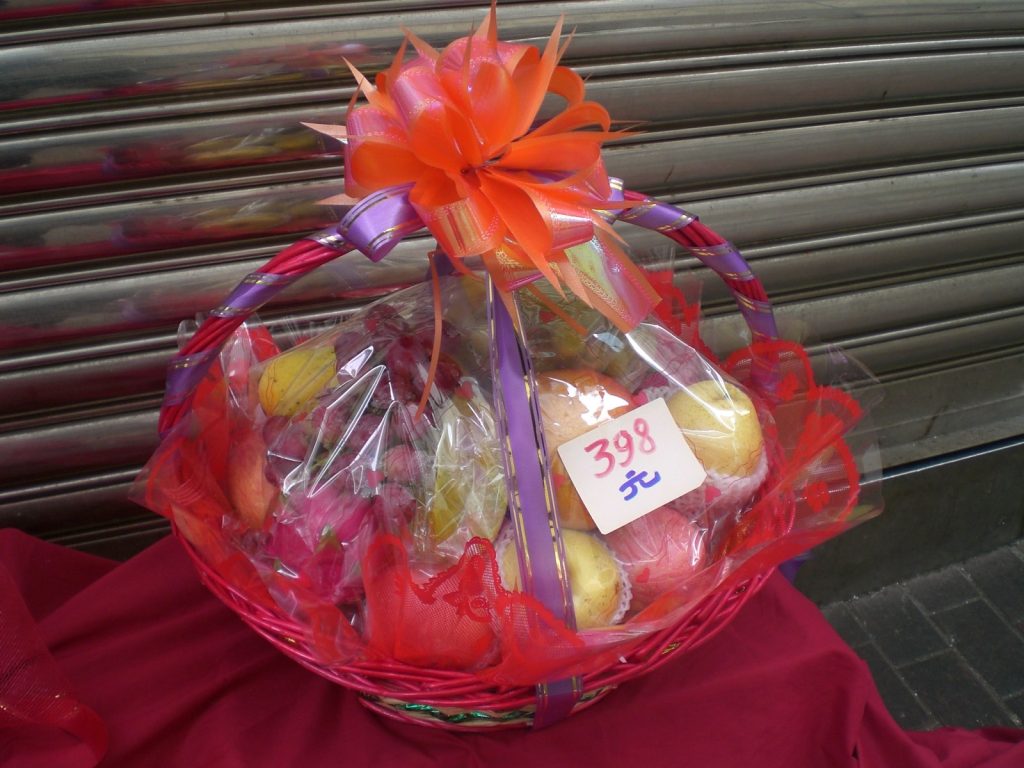
Stepping into a Chinese home or office for the first time as a foreign guest is an exciting milestone, but it often brings a polite puzzle: what should you bring, how do you hand it over, and what happens when someone hands you a box wrapped in red paper? While modern Chinese urban culture is warm and forgiving of foreign guests, understanding local gift-giving norms ensures your gesture lands with genuine grace and zero awkwardness.
What to Bring: Thoughtful and Modest Gifts
Choosing the right gift does not require an extravagant budget; instead, thoughtfulness, presentation, and symbolism matter most. As a foreign guest, your hosts will usually appreciate something representative of your home country or region, provided it fits practical local tastes.
Bringing a Taste of Home
Local Specialty Food Items: High-end chocolates, locally roasted coffee beans, artisanal cookies, or maple syrup make fantastic gifts. Make sure food items are properly sealed, beautifully packaged, and avoid anything overly perishable or pungent unless you know your hosts well.
Wine or Spirits: A nice bottle of wine or a regional specialty liquor is universally well-received, particularly in business settings or dinner parties.
Small Souvenirs and Crafts: Elegant keychains, small desk ornaments, or local design pieces reflecting your hometown culture are easy to pack and serve as wonderful conversation starters.
Workplace vs. Home Visits
Home Visits: When visiting a private residence, it is customary to bring a small token for the household. If there are children or elderly family members present, a small, distinct treat or fruit basket is always appreciated.
Workplace Settings: For office colleagues or corporate partners, keep items professional. Group gifts—such as a large box of imported pastries meant for the whole team’s break room—are much better suited than individual tokens, which can sometimes create unnecessary social obligations.
Taboos to Avoid: Colors, Numbers, and Objects
Navigating Chinese cultural nuances means steering clear of a few traditional taboos. While younger urban generations care less about these superstitions, older hosts or formal corporate environments still notice them.
The Number Four: Avoid giving sets of four items (such as four cups or four plates), as the Mandarin word for “four” sounds very similar to the word for “death.” Stick to pairs or auspicious numbers like six or eight when applicable.
Clocks and Watches: Never gift a clock or a watch. The phrase “giving a clock” sounds identical to attending a funeral or paying last respects in Chinese, making it a severe faux pas.
Sharp Objects: Knives, scissors, or letter openers symbolize cutting ties or relationships and should be avoided.
Inappropriate Colors: White, black, and deep blue are traditionally associated with mourning and funerals. Ensure your wrapping paper features bright, cheerful colors like red, gold, or pink.
The Dance of Giving and Receiving
How you hand over a gift matters just as much as what is inside the box. Understanding the physical etiquette prevents those classic fumbling moments in the hallway or boardroom.
The Two-Handed Rule
Always present your gift using both hands. When your host hands you a gift in return, accept it with both hands as well. This simple physical posture communicates respect, attentiveness, and sincerity.
The Polite Refusal
When you offer a gift, your host will almost certainly decline it initially, saying something like, “Oh, you really shouldn’t have, you are too kind!” Do not take this literally and put the gift away. This is a standard ritual of humility. Refuse politely once, then reaffirm your gesture warmly: “It’s just a small token from my hometown, please accept it.” Your host will then accept it graciously.
When to Open Gifts
Traditionally, gifts given in private settings are set aside and opened later in private to avoid appearing greedy or overly focused on material value. However, modern settings are more relaxed. If your host hands you a gift, you can ask softly, “May I open it now?” If they encourage you to do so, open it carefully, admire it genuinely, and express your gratitude.
For broader social contexts during your travels, maintaining general awareness of local norms—such as navigating queue etiquette for foreigners when arriving at venues or mastering chopsticks etiquette for foreigners once you sit down—helps your entire trip run smoothly.
Frequently Asked Questions
Should I bring a gift every time I visit someone’s home?
Not necessarily. While a small gift (like fruit, tea, or pastries) is expected for your first visit or formal dinner party, subsequent casual visits do not require a gift every single time. A simple, warm greeting and perhaps picking up dessert together is plenty.
What should I do if my host gives me a red envelope (Hongbao)?
As a foreign guest, receiving a red envelope containing money is rare unless it is a specific holiday context, wedding, or you are a young child. If you do receive one unexpectedly, accept it with both hands and thank the giver sincerely. Do not open it in front of them immediately.
Are business gifts treated differently than personal gifts?
Yes. Business gifts should be modest, practical, and ideally non-personal (such as branded office items, books about your home city, or quality corporate snacks). Avoid expensive luxury items, which can easily be misconstrued as bribery or place undue pressure on your Chinese counterparts to reciprocate of equal value.
Related Lovely China reading
For payments, start with Alipay and WeChat Pay hub and WeChat Pay vs Alipay for tourists. For trains, keep high-speed rail first-timers guide and 12306 passport signup for foreigners handy. City hubs: Beijing first-visit guide, Shanghai first-visit guide. Connectivity: roaming vs local SIM honest guide, pocket Wi-Fi vs eSIM for China, offline maps for foreigners. Bookmark China travel tools page.
Practical checklist
- Confirm official rules on the relevant government, park, airline, or bank page near your travel week
- Screenshot bookings, tickets, and QR codes while you still have stable Wi-Fi
- Save hotel and attraction names in Chinese characters in your phone notes
- Carry passport, a backup payment method, and a small cash float (why cash is still needed)
- Test one small mobile payment before you rely on wallets at a gate or taxi
- Keep the China travel tools page page bookmarked for related Lovely China hubs
FAQ
Is this culture advice official?
No. Lovely China orients travellers. Verify live rules on official pages, apps, and counters near your travel week.
Will every city behave the same?
No. Airports, stations, parks, and markets differ. Use local signage and staff instructions when they conflict with a general guide.
What should I screenshot before I lose Wi-Fi?
Bookings, tickets, hotel Chinese address, pickup pins, and payment success screens.
Notes for late 2026 travellers
November and early December bring cooler mornings, earlier sunsets, and comfortable walking weather across much of eastern and central China. Pack layers and leave extra time on clear weekends at popular sights.
This article does not invent ticket prices, opening hours, processing times, consular fees, or official statistics. When a number matters, verify it on the official site, app screen, or ticket board near your travel week.
If an official rule page disagrees with this guide, follow the official page. Lovely China orients English-speaking travellers; we are not an immigration, banking, or medical authority.