<!–
title: Cainiao and Express Pickup Stations for Foreigners in China
slug: china-cainiao-express-pickup-foreigners
category: Culture
focus: Cainiao express pickup stations foreigners China
meta: How foreigners in China use Cainiao stations and express pickup lockers — SMS codes, Taobao delivery options, compound etiquette, and practical last-mile tips without fake prices.
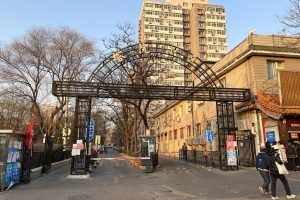
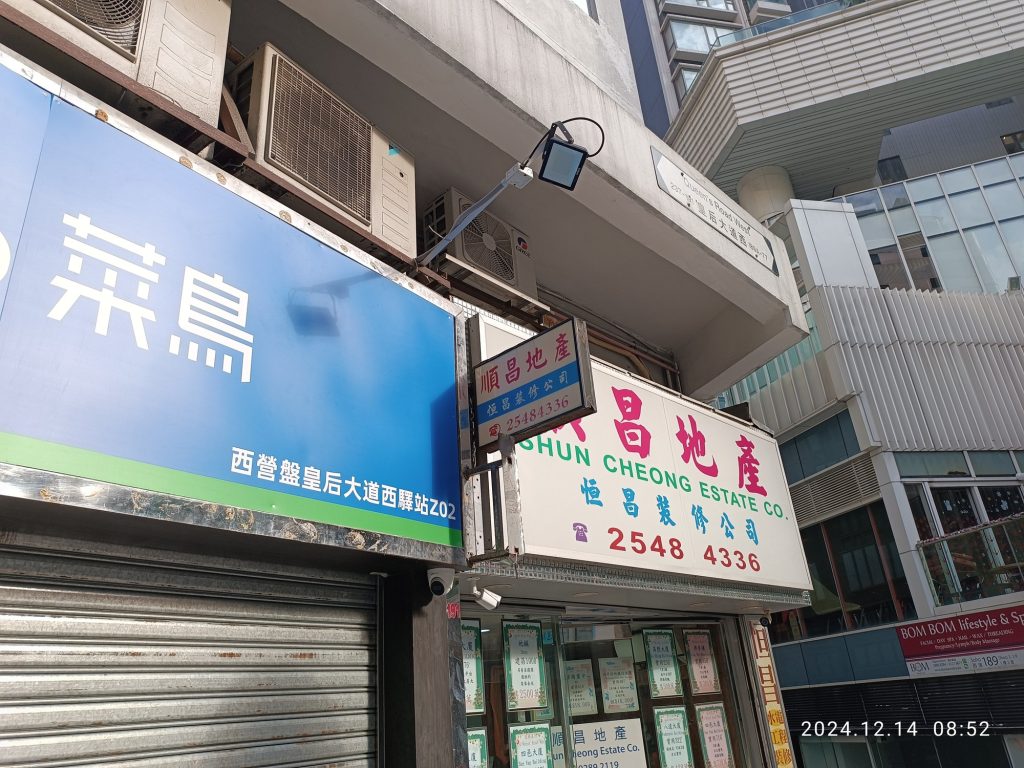
cover_alt: Cainiao logistics pickup point storefront on a city street
cover_credit: Photo: GKOaLieo Luozsem / Wikimedia Commons (CC0)
word_count: 1399
–>
The last mile is a culture skill
Ordering online in China is easy. Collecting the package is the part that surprises many foreigners. Couriers often do not wait at your door for every small parcel. Instead, boxes land at a neighbourhood Cainiao station (菜鸟驿站), a partner convenience store, or a wall of smart lockers. Learning that system is everyday culture — as practical as learning how to pay with a QR code.
This guide is for visitors staying long enough to shop online and for new expats whose colleagues shrug: “Just pick it up at the station.” It stays practical and avoids invented fees or official statistics. For payment setup before you order, see Alipay and WeChat Pay for foreign visitors.
What “Cainiao” usually means on the ground
In daily speech, people may say Cainiao when they mean:
- A staffed Cainiao Post / Cainiao station shelf room near a xiaoqu gate
- App notifications branded Cainiao even when another courier carried the parcel
- Automated parcel lockers in lobbies or street walls
Other brands exist (various locker networks and courier self-pickup points). The muscle memory is similar: you receive a code or QR, you go to a place, you show the code, you leave with a box. Cainiao’s network is simply the one many Taobao shoppers meet first.
How a typical pickup works
1. You place an order with a mainland delivery address (or a station/locker address if the checkout UI offers one)
2. Tracking updates as the parcel moves
3. You get an SMS and/or app push: station name, sometimes a map pin, and a pickup code
4. You walk to the station during open hours (many run late evening; lockers may be 24 hours)
5. Staff scan your code, or you enter it / scan a QR at a locker
6. You check the outer packaging before walking away
If the parcel is oversized, lockers may refuse it and staffed stations become the default. If you miss the free storage window, stations may remind you; policies vary by site — read the notice on the wall rather than assuming a national rule.
Phone numbers, names, and foreigner friction points
Pickup systems are built around Chinese mobile numbers. Friction appears when:
- Your shopping account uses a foreign number that does not receive local SMS reliably
- The name on the parcel does not match what staff expect to hear
- You cannot read the station’s handwritten shelf labels
Workarounds that real expats use:
- Link a Chinese number on shopping and logistics apps when you can
- Save the station’s WeChat if they offer one for “parcel arrived” messages
- Show the SMS screen; pointing beats imperfect pronunciation
- Ask a neighbour once to walk you through your first pickup — people are often kind for thirty seconds
If you live in a gated compound, note that some stations sit just outside the gate or in a ground-floor shop strip. Security guards may not accept parcels for you unless your building has a separate arrangement.
Choosing delivery to home vs station
Checkout screens sometimes let you prefer home delivery. In dense cities, “home delivery” can still mean a lobby, a guard desk, or a quick call asking you to come downstairs. Stations exist because last-mile time is expensive and residents are often not home.
Practical mindset:
- Small daily goods → station/locker is normal
- Fragile or high-value → message the courier early; ask for a timed call
- Large appliances → expect appointment delivery, not a shelf code
Do not invent conflict with couriers. Polite WeChat messages with your building and unit, plus a clear time window, go further than English essays.
Etiquette inside a crowded station
Stations at peak hours (evenings after work, weekend shopping waves, pre-festival surges) can feel like a tiny warehouse with a queue.
- Keep your phone brightness up so staff can scan quickly
- Step aside to open boxes; do not block the counter
- Bring a tote for multiple small parcels
- Say thank you; staff handle hundreds of codes a day
- If something is missing, show the tracking page calmly — volume makes mistakes possible
Before Mid-Autumn and Golden Week, parcel volume rises. Mid-Autumn 2026 is Friday 25 September (~25–27); makeup 20 September; Golden Week 1–7 October; makeup 10 October (国办发明电〔2025〕7号). Order earlier than you think if gifts matter — mooncakes and festival boxes create their own logistics weather. Our mooncake buying guide for foreigners pairs well with this season.
Lockers vs people
Lockers: Fast when your code works and the compartment opens. Frustrating when the screen language is dense or the door sticks — look for a help button or station WeChat QR on the machine.
Staffed stations: Better for odd sizes and human clarification. Harder if you arrive without the code and only a vague tracking number.
Many foreigners end up using both in the same week.
Returns, refusals, and “I did not order this”
Return flows often start in the same app where you bought the item. Some stations help with outbound send-outs; others only do inbound pickup. Ask once, photograph any damaged outer box before leaving, and keep chat records with sellers. Avoid accusing station staff of seller problems — they are usually the handoff layer, not the merchant.
If a neighbour’s parcel is handed to you by mistake, return it to the shelf or staff immediately. Compound trust is a long game; see also neighbourhood committee visits for foreign tenants for the wider community context.
Privacy and screenshots
Pickup codes are secrets for a few hours. Do not post full SMS screenshots in public group chats. Crop addresses if you ask for help. Share codes only with someone collecting on your behalf.
A first-week drill for new arrivals
1. Find the nearest station on a daytime walk — note opening hours on the door
2. Make one small, low-stakes order to your address
3. Complete one pickup with the SMS code
4. Save the station location in your maps app
5. Only then order anything fragile or time-sensitive
This drill teaches more than any FAQ. It also reveals whether your building prefers lobby drop-off.
When travel seasons collide with logistics
If you leave town for Golden Week, pause non-essential orders or arrange a trusted pickup person. Stations will not store forever. Cold-snap weeks in October can also change your routine — you may want gloves and a backpack instead of juggling boxes in wind. Layer tips live in our autumn packing list.
Reading the shelf without fluent Chinese
Stations often organise parcels by the last few digits of a phone number or by a printed ticket code. You may see handwritten markers, plastic baskets, or wall racks. If staff ask “后四位?” they usually want the last four digits of the phone number tied to the shipment. Show the SMS; the digits are there even when you cannot pronounce the station’s full Chinese name.
Photograph the station’s exterior sign on day one. When a tracking page says only a short name, matching the photo saves a wrong-turn walk to a different 驿站 two blocks away.
Campus and office variants
University Cainiao points and office-building lockers follow the same code logic with different opening rhythms. Campuses may restrict outsider entry; offices may require a visitor pass to reach the locker wall. Ask your HR or dorm manager where packages actually land — “my desk address” is often rewritten by couriers into a known station.
Closing: treat the station like a neighbourhood shop
Cainiao culture is not a tourist attraction. It is how modern Chinese neighbourhoods breathe packages. Learn the code ritual, greet the staff, keep your phone charged, and you unlock ordinary life: books, cables, winter socks, Mid-Autumn gifts. Lovely China (founded 2025) writes these guides so English-speaking residents can join that ordinary life with less panic. Questions: [email protected].