<!–
title: Apartment Wuye (Property Management) Basics for Foreign Tenants
slug: apartment-wuye-property-management-foreign-tenants
category: Culture
focus: apartment wuye property management foreign tenants China
meta: What foreign tenants need to know about Chinese apartment wuye (property management) — fees, gates, repairs, WeChat groups, and how wuye differs from your landlord.
cover_alt: South gate entrance of a Chinese residential community compound
cover_credit: Photo: N509FZ / Wikimedia Commons (CC BY-SA 4.0)
word_count: 1366
–>
Wuye is not your landlord — and that matters
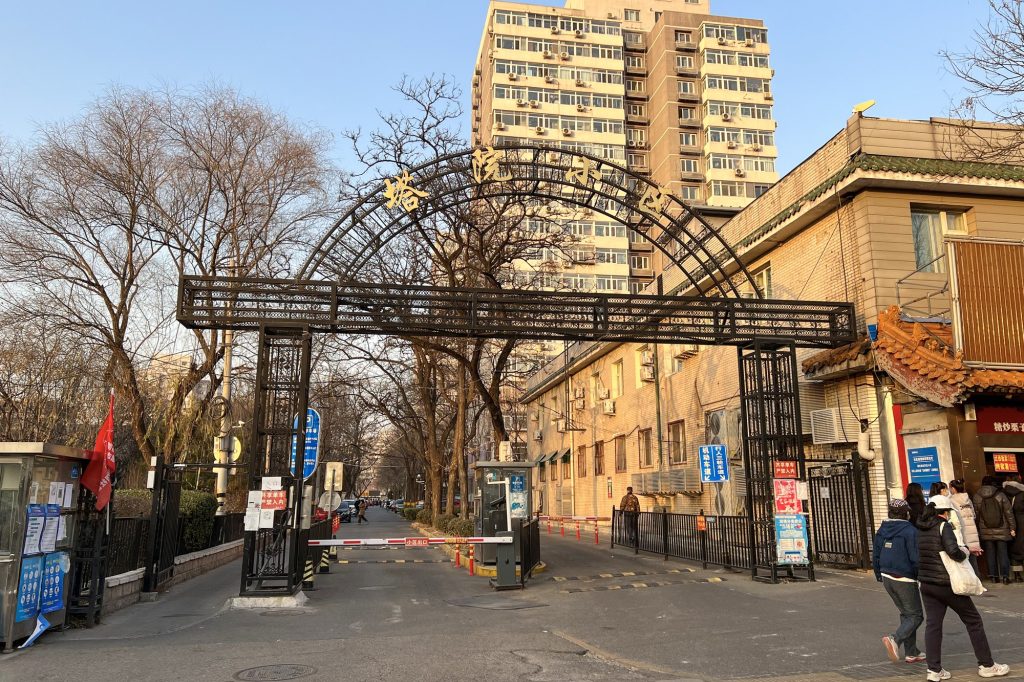
If you rent an apartment inside a Chinese xiaoqu (小区, residential compound), you will meet wuye (物业) — the property management company that runs gates, cleaning, shared facilities, and many day-to-day building services. Your landlord owns or sublets the unit. Wuye manages the compound. Confusing the two is the most common early mistake foreign tenants make.
This Culture guide explains what wuye usually does, how you interact with the office, and how to stay polite when something breaks at 11 p.m. It pairs with our piece on neighbourhood committee visits for foreign tenants, which covers the community-government layer that sits alongside private management.
What wuye typically handles
Exact menus vary by compound quality and city, but common tasks include:
- Gate security and visitor registration
- Cleaning of lobbies, lifts, and shared gardens
- Parking management (cars and sometimes e-bikes)
- Shared facility rules (gym, playground hours)
- Collecting property management fees for owners (your lease should say who pays)
- Coordinating building repairs that affect shared systems
- Posting notices about water cuts, lift maintenance, fire drills
Wuye is usually not responsible for fixing your broken washing machine if it is a private appliance — that is a landlord / your own repair issue — unless the lease or building rules say otherwise. Shared pipe leaks that affect neighbours, however, often pull wuye into the conversation quickly.
Finding the office on week one
Walk the compound. Look for a ground-floor office near the main gate with a window counter, a WeChat QR code, and a board of notices. Hours may be daytime only; some compounds run a night security desk with limited authority.
On move-in day, ask your landlord or agent to:
1. Introduce you at the wuye desk
2. Help register your name, unit, and phone for gate systems
3. Add you to the building or compound WeChat group if one exists
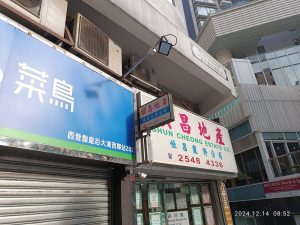
4. Clarify whether parcels go to a Cainiao station, lobby, or guard desk
If you shop online heavily, learn the parcel pattern early — our Cainiao pickup guide covers the station ritual many compounds rely on.
Fees: who pays what
Property management fees are commonly the owner’s obligation, but leases sometimes pass them to tenants. Do not invent a number from a forum post. Read your contract. Ask, in writing if needed: “Does rent include wuye fees? If not, how and when are they paid?”
Other money conversations that appear:
- Parking rents
- Access cards / fobs deposits
- Extra fees after lost cards
- Shared electricity for corridor lights (sometimes bundled)
Keep receipts. Screenshots of WeChat transfers with clear notes help more than memory.
Gates, guests, and delivery culture
Many xiaoqu are gated. Pedestrians may walk freely while cars need recognition. Guests might need to register ID at the gate — policies tightened or loosened by city and era. Couriers and food riders often wait at the gate or call you down.
Practical habits:
- Save the guard post number if posted
- Tell guests your building and unit clearly in Chinese digits
- Meet food delivery at the gate when riders cannot enter
- Do not prop fire doors open “for convenience”
Festival weeks change traffic. Mid-Autumn 2026 (Friday 25 September, ~25–27), makeup 20 September, Golden Week 1–7 October, makeup 10 October (国办发明电〔2025〕7号) bring more visitors, mooncake deliveries, and suitcase movements. Guards get busier; patience is part of compound citizenship.
Repairs, water cuts, and the WeChat notice
When wuye plans maintenance, they often post in the compound group and tape a paper notice by the lifts. Foreign tenants who mute the group miss the “no water tomorrow 9:00–17:00” message. Keep notifications on for that one chat, or ask a neighbour to flag urgent posts.
If something floods:
1. Protect electronics and documents
2. Notify neighbours below if water may travel
3. Contact wuye for shared-pipe issues
4. Contact your landlord for unit-side plumbing if that is the lease rule
5. Photograph damage before cleanup when insurance or deposit disputes are possible
Stay factual. Anger at the counter rarely speeds a plumber.
Noise, renovation, and quiet hours
Compounds publish quiet hours and renovation windows. Drills at 7 a.m. on a Saturday can still happen when someone renovates — wuye may mediate if rules are clear. Document times politely. Do not bang on doors as your first move; start with the group or the office.
Access cards and moving out
Treat access cards like keys. Report loss quickly. On move-out, return cards, settle any tenant-side fees your lease requires, and walk the unit with the landlord. Wuye may need to cancel your gate registration so the next tenant can enrol.
How wuye relates to neighbourhood committees
Wuye is a company. The neighbourhood committee (居委会) is a grassroots community organisation. You may meet both: one about parking stickers, one about registration visits or community notices. They are not interchangeable. Our neighbourhood committee guide helps you prepare for official visits without panic.
Language tips that reduce friction
You do not need perfect Mandarin. You need clarity:
- Unit number spoken digit by digit
- Phone number ready to show on screen
- Photos of the problem (leak, broken lock, lift stuck button)
- A Chinese-speaking friend on a 60-second call if the issue is complex
Translation apps help; a calm tone helps more.
Seasonal compound life for new expats
Autumn brings leaf cleanup, heater testing in the north, and typhoon prep on the coast. If wuye announces window checks or drain clearing before a storm, take it seriously — outdoor picnic plans also bend to weather, as coastal Mid-Autumn weeks sometimes show. Indoor autumn comfort tips sit in our first cold snap guide once published, and layer packing in the autumn packing list.
A respectful relationship model
Think of wuye as the compound’s operations team. Greet the desk staff. Follow posted rules even when they feel fussy. Pay what your lease assigns you on time. Report hazards early. In return you get functioning lifts, cleaner lobbies, and someone to call when the basement floods at midnight.
E-bikes, charging, and fire notices
Many compounds restrict where e-bikes may be parked or charged after fire-safety campaigns. If you buy an e-bike, read the lobby notices before dragging a charger into a stairwell. Wuye may remove illegally parked bikes; arguing that “everyone does it” rarely helps. Ask where the approved charging area is — if one exists — and budget walking time into your commute plan.
Pet rules and shared elevators
Pet policies differ wildly: some compounds are relaxed; others ban large dogs or require registration. Elevator etiquette matters either way — short leash, clean up after walks, avoid peak school-run lift crowds if your dog is nervous. If a neighbour complains via the group, respond politely through wuye rather than a public argument thread.
When the landlord and wuye disagree
Occasionally a landlord tells you “wuye will handle it” while wuye says “ask your landlord.” Stay calm and triangulate: shared infrastructure → wuye; in-unit appliance or decoration → landlord; unclear → ask both with the same photo and a clear question. Put agreements in WeChat so the story does not rewrite itself a week later.
Closing
Foreign tenants who thrive in Chinese apartments learn two phone numbers early: the landlord’s and the wuye desk’s. Know which one fixes which problem. Lovely China, founded in 2025, writes these Culture explainers so English-speaking renters can live inside the xiaoqu system with fewer surprises. Contact [email protected] if you need a wording check for a polite WeChat message to the office — we cannot manage your building, but we can help you ask clearly.