<!–
title: First Autumn Cold Snap in China for New Expats 2026
slug: first-autumn-cold-snap-china-new-expats-2026
category: People
focus: first autumn cold snap China new expats 2026
meta: How new expats in China handle the first autumn cold snap after Mid-Autumn into October 2026 — packing layers, heaters, office AC quirks, and north vs south differences.
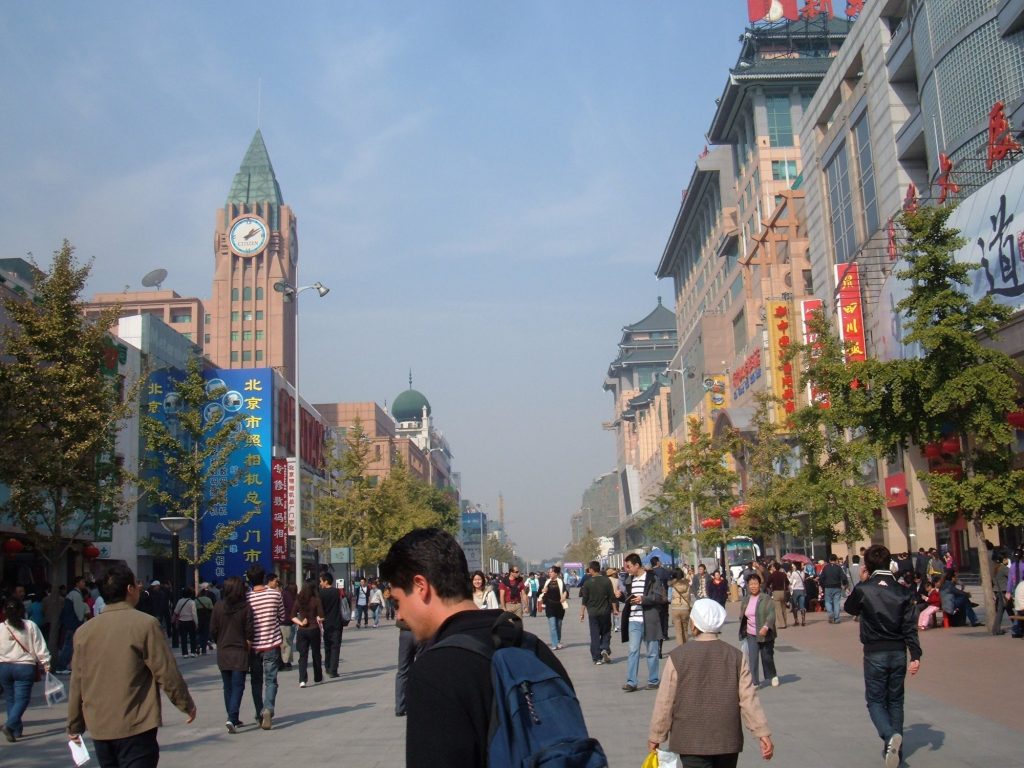
cover_alt: Pedestrians on Wangfujing shopping street in Beijing on an autumn day
cover_credit: Photo: BrokenSphere / Wikimedia Commons (CC BY-SA 3.0)
word_count: 1365
–>
The day summer clothes suddenly feel wrong
New expats often arrive in China with a mental model of “autumn” borrowed from home. Then Mid-Autumn passes — Friday 25 September 2026, roughly 25–27 September — and a clear, dry wind arrives. Mornings bite. Lunch still feels mild in the sun. Offices stay arctic because the AC schedule has not admitted that seasons changed. That mismatch is the first autumn cold snap: not necessarily a historic weather event, just the first week your body notices China has tilted toward winter.
This People guide is for foreign employees and students navigating that shift into October, through Golden Week 1–7 October (makeup workdays 20 September and 10 October, 国办发明电〔2025〕7号). For a full packing checklist, keep our autumn packing list for October–November open beside this piece.
Cold snaps after Mid-Autumn: what changes first
Usually the first things to change are:
- Dawn and late-evening temperatures
- Wind on bridges, riverside paths, and elevated metro exits
- How long stone and glass buildings hold overnight chill
- Whether your rental’s “heater” is ready — or even exists yet
Humidity patterns differ by region. A northern dry cold feels sharp; a southern damp cool can feel colder than the number suggests. Do not trust yesterday’s T-shirt decision.
Northern vs southern China (practical, not poetic)
Many northern cities: Heating seasons are a big cultural and building-systems topic. Until municipal or building heat arrives, indoor nights can feel surprisingly cold even when noon is pleasant. Radiators may be decorative metal for weeks. Electric oil heaters and duvets become best friends. Outdoor peak ginkgo colour often overlaps with cooler air — lovely walks, colder fingers.
Many southern and eastern coastal cities: Central heating is less universal. People layer indoors and use AC heat mode, space heaters, or simply more blankets. Typhoon-season rain earlier in autumn can make “cold” feel wet. Picnic plans around Mid-Autumn sometimes yield to warnings — a coastal pattern, not a personal failure.
Wherever you are, ask colleagues: “When do people here start wearing coats?” Local timing beats a global weather app’s vibe check.
Office AC quirks that confuse newcomers
Chinese offices often run strong cooling late into the calendar because servers, denser seating, and habit say “keep cooling.” You may sit in a wool sweater under a vent while the street outside is only mildly cool.
Tactics that work without drama:
- Keep a cardigan or light down vest at your desk
- Choose a seat away from the direct vent if you can
- Drink warm water — the office water dispenser is culture, not a joke
- Avoid blasting personal USB fans as a political statement; solve with layers first
If you manage a team, remember that Mid-Autumn leave and makeup days scramble routines; people return tired and under-dressed. Our Mid-Autumn leave guide for new foreign employees covers the holiday work rhythm around the same season.
Home heaters and rental realities
Before buying gear, check:
- Does the flat have wall AC with a heat mode?
- Are there radiator pipes that will eventually warm?
- Is the electrical circuit safe for a space heater?
- Does your lease or wuye ban certain heater types?
Start with safer, tip-resistant designs and never dry clothes directly on heater surfaces. If you are still learning compound rules, the wuye basics guide helps you ask the right desk.
Packing for the snap (and the week after)
Think layers, not one heroic coat on day one:
- Breathable base layer
- Mid layer (fleece / light wool)
- Wind shell or trench for dry cold; waterproof shell for damp south
- Scarf that actually covers your neck at metro exits
- Gloves that still let you use your phone for QR codes
- Closed shoes; summer sandals retire earlier than your Instagram suggests
Shop locally when the snap hits — Uniqlo-style layers and Chinese fleece brands appear everywhere — but buy the scarf before the first windy Monday if you already feel the shift.
Payment readiness matters when you dash into a store after work: Alipay / WeChat Pay for foreign visitors.
Body care without medical claims
Cold snaps increase dry skin in the north and stubborn damp chill in the south. Simple habits help: lip balm, hand cream in your bag, warm breakfasts, and not skipping sleep after festival dinners. If you feel genuinely unwell, use proper clinics — this is not a diagnosis article.
Social calendar meets weather
Mid-Autumn is reunion and mooncakes; early October is travel crush; mid-October is when many cities look their most photogenic outdoors. A cold snap can cancel an outdoor plan and improve a museum day. Keep one indoor backup for every outdoor invite. Compare holiday pacing in Golden Week 2026 vs Mid-Autumn.
Colleagues may still eat outdoor barbecue in light jackets while you shiver — acclimatisation and pride vary. Borrow warmth without apology.
Commuting details people forget
- Bike and e-bike wind chill is stronger than walking chill
- Shared bikes’ metal handles steal heat from bare hands
- Metro air-conditioning can feel like a second cold snap underground
- Rain plus leaves makes pavement slippery near ginkgo avenues
If you walk for autumn colour, time it for afternoon sun and carry the shell anyway.
A week-one cold-snap checklist for 2026
1. Check the overnight low for your city after 25 September
2. Put a desk layer at work before Golden Week travel
3. Test AC heat mode at home on a cool evening
4. Buy or unpack a real duvet if you have been on a summer blanket
5. Tell visiting friends to pack layers — hospitality includes honesty about wind
Sleep, windows, and the “one quilt” problem
Many rentals still have the summer bamboo mat energy in September. When the snap hits, switch to a warmer quilt before you tough it out for pride. Close bathroom windows that create hallway drafts. If your flat has floor-to-ceiling glass, curtains become insulation, not decoration. A hot shower helps you sleep; so does not doomscrolling weather apps at 1 a.m.
Roommates from different climates negotiate thermostat wars. Agree on evening rules: sweater first, heater second, argument never. Shared electric bills make courtesy cheaper than conflict.
Travel overlapping the snap
If you fly north for Golden Week and return south — or the reverse — pack a compressible mid-layer in your carry-on. Airport AC and late-night high-speed rail carriages create their own micro-seasons. Soft-sleeper overnight trips feel colder than daytime seats; bring socks you actually like.
Students returning to campus after Mid-Autumn often find dorm heat policies lag behind the weather. Duvets and hot-water bottles (used carefully) are classic responses — follow dorm safety rules.
What not to do
- Do not wait for the “official first day of winter” to buy a coat
- Do not run a heater beside a drying rack full of shirts
- Do not shame yourself for feeling cold in an over-cooled office
- Do not treat a coastal rain warning as optional if you planned cliffs or long bike rides
Mindset: seasons are local knowledge
The first cold snap is less about toughness and more about listening. Watch what neighbours wear at the gate. Notice when the fruit stall auntie switches from short sleeves. Ask HR whether the office adjusts thermostat policy. Autumn competence in China is social learning wearing a coat.
Lovely China was founded in 2025 to help English-speaking residents catch these rhythms earlier. If your first October morning surprises you, you are not behind — you are on time. Write [email protected] with city-specific packing questions; we keep advice practical and free of invented temperature records.


