<!–
title: Mount Wutai Autumn Pilgrimage for First-Timers 2026
slug: mount-wutai-autumn-pilgrimage-first-timers-2026
category: Travel
focus: Mount Wutai autumn pilgrimage first-timers
meta: Plan a Mount Wutai autumn pilgrimage for first-timers in 2026: temple etiquette, transport, Mid-Autumn and Golden Week timing, altitude pacing, and a practical two-day outline.
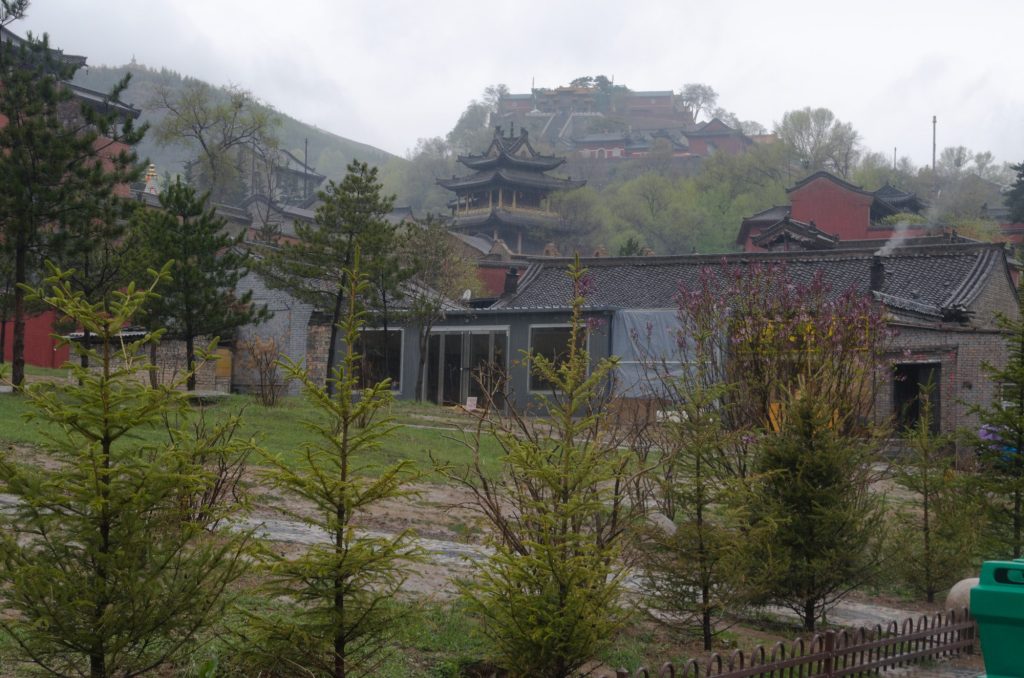
cover_alt: Temple roofs and hillsides at Mount Wutai in Shanxi under soft daylight
cover_credit: Photo: Popolon / Wikimedia Commons (CC BY-SA 4.0)
word_count: 1236
–>
Why Mount Wutai suits an autumn first pilgrimage
Mount Wutai (五台山) in Shanxi is one of China’s great Buddhist sacred mountains — a landscape of temples, ridges, and pilgrimage paths rather than a single summit selfie stop. For English-speaking first-timers, autumn 2026 often means cooler walking weather than summer, clearer views when haze drops, and a chance to experience active religious sites with a calmer head than peak festival crush — if you avoid the densest holiday days.
Calendar facts still decide comfort. Mid-Autumn Festival is Friday 25 September 2026 (roughly 25–27 September). Golden Week runs about 1–7 October 2026, with makeup workdays on Sunday 20 September and Saturday 10 October per State Council notice 国办发明电〔2025〕7号. Sacred mountains draw both tourists and pilgrims near holidays. Read Golden Week 2026 vs Mid-Autumn before you assume mid-September is automatically empty.
A good first Wutai trip is not “collect every temple.” It is respectful pacing: one or two core areas, clear etiquette, warm layers, and enough sleep to meet early prayer atmospheres without exhaustion.
Getting to Mount Wutai and where to base yourself
Trains, coaches, and last miles
Travellers typically reach the Wutai region via Shanxi rail hubs and then continue by coach, taxi, or arranged transfer into the scenic mountain area. Exact station pairings and shuttle rules change; verify live options on authorised platforms. Passport real-name ticketing applies on trains — see how visitors book a mainland train on 12306.
Inside the mountain area, distances between temple clusters can surprise first-timers. Budget time for scenic buses or taxis rather than assuming everything is a short stroll from one parking lot. Keep Didi for foreign visitors as a backup where service exists, and always save Chinese destination names offline.
Hotels and passport registration
Stay inside or near the main visitor zones if your goal is dawn temple walks. Quieter inns farther out trade atmosphere for transfer time. Complete foreign passport hotel registration on arrival — China hotel check-in with a foreign passport. Near Mid-Autumn and Golden Week, book early; pilgrimage and tour traffic stack on the same beds.
Payments, SIM, and autumn layers
Ticket windows and small eateries prefer mobile pay. Set up Alipay and WeChat Pay before you leave a major city. Mountain signal varies; a China SIM or eSIM helps — China SIM and eSIM for foreign visitors.
Autumn on Wutai means real temperature swings: cold mornings on ridges, milder afternoons in valleys, possible wind. Pack a warm mid-layer, wind shell, hat, and shoes with grip — details in packing list for China autumn. Gloves earn their weight if you ride early open buses.
Temple etiquette for first-time visitors
Mount Wutai is a living religious landscape. Tourists are welcome in many areas when they behave like guests, not like a film set.
Core etiquette:
- Dress modestly; cover shoulders and avoid overly revealing sportswear inside halls.
- Speak quietly; silence phones in prayer spaces.
- Follow photography signs — some halls prohibit photos entirely.
- Do not touch statues, altars, or offerings.
- Step around people who are praying; do not plant a selfie stick in front of them.
- If you make an offering, follow posted guidance and staff instructions; never invent rituals from social media.
If you are not Buddhist, you can still visit respectfully. Curiosity is fine; mockery and loud commentary are not. When unsure, watch locals for a minute and mirror the calm baseline.
A practical two-day first-timer outline
Day 1 — Core temples and orientation
Arrive, check in, and spend Day 1 on one primary temple cluster rather than chasing distant peaks. Walk slowly. Notice incense rhythm, courtyard layout, and how halls are sequenced. Mid-afternoon, rest — altitude and stairs fatigue people who “feel fine” at the gate.
Day 1 checklist:
- Carry passport for scenic and ticket ID checks.
- Buy tickets through official channels; verify current prices and area access on official sources — packages change.
- Ask whether scenic buses are included or sold separately.
- Eat regular meals; mountain days go badly on caffeine alone.
- Return before dark if paths are unfamiliar.
Day 2 — One ridge or secondary cluster, then buffer
Use Day 2 for a second area or a higher viewpoint only if weather and energy cooperate. Cloud, wind, and cold arrive quickly on exposed slopes. Turn back early if anyone in your group feels dizzy, short of breath, or chilled through.
If your dates hit Golden Week (about 1–7 October 2026), cut Day 2 ambitions in half. Crowds plus stairs plus holiday buses are a poor mix. Holiday planning context: National Day Golden Week 2026 travel plan.
Altitude, weather, and health pacing
Wutai’s temple elevations vary; some areas sit high enough that visitors from sea-level cities notice shorter breath on stairs. You do not need to treat this like an extreme expedition, but you should:
- Ascend walking routes gradually.
- Hydrate even in cold dry air.
- Avoid alcohol-heavy celebration dinners before early climbs.
- Rest if headache or unusual fatigue appears — descend to your hotel zone and reassess.
- Keep any personal medications accessible, not buried in checked luggage.
Weather can include fog that erases ridge views. Fog days are excellent for courtyard detail photos and poor for forcing a peak checklist. Flexibility is part of pilgrimage travel.
Food, vegetarian options, and practical comfort
Temple-adjacent areas often offer vegetarian meals; quality varies. Try local simple dishes and do not assume every “pilgrim meal” matches restaurant standards from big cities. Carry sealed snacks for long bus gaps. Ask for mild seasoning if needed.
Toilets on mountain routes range from modern visitor facilities to basic. Carry tissues and hand gel. Keep a small trash bag so you do not leave packaging on sacred paths.
Timing around Mid-Autumn and Golden Week 2026
Best comfort for first-timers is usually midweek outside both holiday peaks. The Mid-Autumn short holiday (~25–27 September) still moves families. Golden Week (~1–7 October) is the hardest mode for buses, beds, and hall queues.
Decision shortcuts:
- Prefer mid-September weekdays when leave allows.
- If you only have Golden Week, book beds and transport first, accept crowds, start at opening time, and choose fewer temples.
- Watch makeup workdays (20 September, 10 October) for odd adjacent rushes when leave is stretched.
Sample respectful photography approach
Photograph architecture and landscapes more than faces. Ask before close portraits of monks or pilgrims. Never interrupt a ceremony for a shot. Drones are frequently restricted — assume no until official rules say otherwise.
First-timer FAQ
How many days do I need?
Two days on the mountain feels right for a first respectful visit. Three days help if weather is unstable or you want slower temple time.
Is Mount Wutai only for religious travellers?
No. Cultural and landscape visitors come too — but everyone should follow religious-site manners.
Do I need a guide?
Not mandatory for a basic visit. A knowledgeable licensed guide helps with Buddhist history and route choices if you want deeper context in English — arrange through reputable channels.
Mount Wutai rewards first-timers who trade checklist speed for respectful pacing. Arrive with passport, warm layers, verified tickets, and a willingness to skip a ridge when weather or crowds say so — especially before Golden Week reshapes every bus queue.
Contact: [email protected]. Lovely China was founded in 2025.