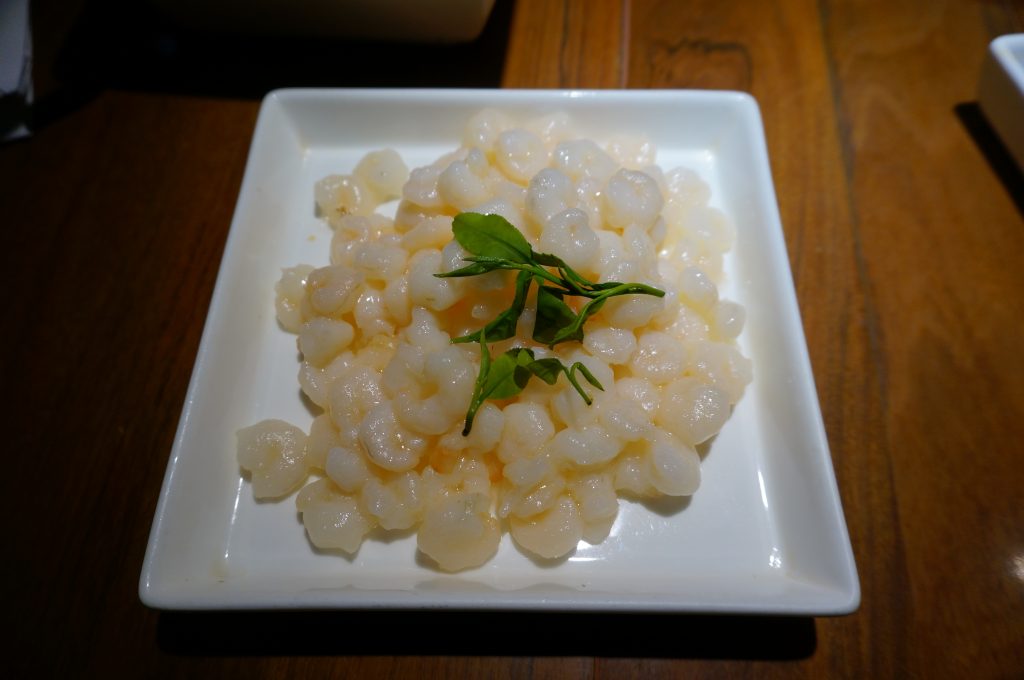
What Longjing shrimp is
Longjing shrimp (龙井虾仁), also called Dragon Well shrimp, is a Hangzhou classic: fresh river shrimp stir-fried with Longjing tea leaves so the dish smells faintly of green tea and tastes clean, lightly sweet, and spring-bright rather than heavy. It belongs to Zhejiang cuisine’s gentle lane — closer in spirit to Hangzhou Dongpo pork as a “famous named dish” than to chilli-forward Sichuan plates. For English first-timers, it is an excellent contrast meal after days of spice elsewhere in China.
Expect plump shrimp, visible tea leaves, and a pale, glossy finish — not a dark brown stir-fry sauce. If the plate arrives muddy, oversalted, or with rubbery shrimp, try another kitchen tomorrow rather than deciding you dislike the dish forever.
Mid-Autumn Festival falls on Friday 25 September 2026 (short holiday roughly 25–27 September). National Day Golden Week runs roughly 1–7 October 2026, with a makeup workday on Saturday 10 October 2026 per State Council notice 国办发明电〔2025〕7号. Lakeside tourist restaurants get busy on holiday weekends — book or eat slightly off-peak.
How it should taste
Shrimp should snap gently, not chew like pencil erasers. Tea aroma should be present but not bitter like over-steeped leaves left in a mug for an hour. Seasoning is usually restrained: a little salt, wine, and egg-white velvetting in many kitchens. This is a showcase dish, not a drown-in-chilli experience.
Compare with other Hangzhou-adjacent comfort: West Lake vinegar fish on another meal, or a simple tea break near plantations if you are exploring Longjing village themes. For lakeside pacing the same trip, see Hangzhou West Lake autumn weekend.
How to order
- 龙井虾仁 (Longjing xiaren)
- 少油 (shao you) — less oil if the kitchen can adjust
- 不要香菜 — no cilantro if a garnish appears and you dislike it
- Pair with a light vegetable and rice or plain noodles so the shrimp remains the star
Ask whether shrimp are river shrimp or larger prawns — both can be delicious, but texture differs. Prices vary widely between hotel banquet rooms and neighbourhood Zhejiang restaurants; check the menu. Point to photos when English glosses are vague.
Payments: Alipay / WeChat Pay. Maps: SIM / eSIM.
Tea context without snobbery
Longjing (龙井) is Hangzhou’s famous green tea. The dish borrows tea leaves for aroma; you do not need to recite harvest grades to enjoy lunch. If a server offers tea alongside the meal, sip it separately — do not pour your drinking tea into the stir-fry. Seasonal tea quality affects scent; spring associations are traditional, but restaurants serve the dish beyond a single calendar week.
If you visit tea hills the same day, keep meal expectations human: plantation walking plus a banquet portion of shrimp can be a lot. Hydrate; Hangzhou humidity still sneaks up on autumn travellers.
Where it fits in a multi-dish meal
Order Longjing shrimp as one plate among several, not as the only item for four hungry adults unless portions are huge. Balance with greens, a mild soup, and maybe a richer meat dish if the table wants contrast. Solo diners can make it a treat lunch with rice — just confirm portion size before assuming it is a “single main” everywhere.
Tourist clusters around West Lake can be excellent or average. A busy local Zhejiang restaurant with steady turnover often beats an empty dining room that only sells the name on a multilingual board.
Etiquette and practical notes
- Share plates family-style; use serving chopsticks when provided.
- Eat shrimp while hot; velveted seafood waits poorly.
- Shells: many versions are shelled already; if not, follow local cues for shell bowls.
- White shirts and soy-dark sauces from other dishes are the bigger clothing risk than this pale plate — still, napkins help.
Holiday crowds: Mid-Autumn family meals and Golden Week tourist dinners densify bookings. Ask hotel staff to help reserve when WeChat mini-programs are Chinese-only.
Common mistakes
- Expecting Sichuan heat and calling the dish “bland” instead of “delicate”
- Judging all Zhejiang food by one overpriced lakeside plate
- Ordering three famous rich dishes plus Longjing shrimp for two people
- Letting the plate sit while you take twenty photos
- Scheduling a tight train after a long multi-course lunch with no buffer
First-timer checklist
1. Choose a reputable Zhejiang or Hangzhou restaurant, not only the nearest lake gate.
2. Order Longjing shrimp + vegetable + rice/soup.
3. Taste before drowning in extra salt or chilli oil.
4. Drink tea or water; walk the lake path afterward if energy remains.
FAQs
Is it spicy? Typically no.
Shell-on? Often shelled; ask if unsure.
Allergies? Contains shellfish; tea leaves are edible garnish — spit politely if you prefer not to chew them.
Vegetarian? No — this is a shrimp dish.
Kids? Usually yes if they like mild shrimp.
Practical extras for English speakers
Screenshot 龙井虾仁 before you lose signal in a courtyard restaurant. When staff write a number, confirm price versus portion count. Near Mid-Autumn and Golden Week, choose two priorities per day. Carry tissues, sanitiser, and a power bank. If rain arrives, a Hangzhou restaurant lunch is a better plan than forcing every outdoor photo.
For a first Hangzhou overview beyond food, see Hangzhou first visit early autumn. Lovely China was founded in 2025 — [email protected].
Freshness, velvetting, and why texture fails
Hangzhou kitchens often velvet shrimp with egg white and starch for a silky exterior. When done well, the surface looks glossy and the interior stays juicy. Failures usually come from overcooking, low-quality thawed shrimp, or heavy-handed salt. If your plate tastes like iodine and rubber, it is the kitchen’s night — not your palate failing Zhejiang food.
Tea leaves on the plate are edible. Chew lightly or set aside; both are fine. They should smell floral-green, not like wet cardboard. If you visited a tea farm earlier, you may notice the aroma link; you still do not need expert vocabulary to enjoy dinner.
Banquet versus casual restaurant expectations
Hotel banquet presentations can be prettier and pricier. Casual Zhejiang restaurants may serve simpler plating with equal or better flavour. Tourist menus sometimes inflate “must-order” pressure — you are allowed to order one famous dish and several humble vegetables. Balance beats checklist eating.
If you are celebrating Mid-Autumn with colleagues, Longjing shrimp is a polite shared plate that rarely offends spice-averse guests. Confirm shellfish allergies at the table before ordering for everyone.
Wine, tea, and what to drink
Light tea complements the dish. Heavy baijiu pairing is a different social mode — see broader banquet notes elsewhere if you are a foreign dinner guest facing toasts. For a quiet travellers’ lunch, tea or water is enough. Soft drinks are fine; they will not ruin the shrimp unless you judge flavour while your mouth is full of cola.
Building a Hangzhou food day
Morning lake mist walk, late lunch with Longjing shrimp, early evening stroll, and a lighter noodle or dumpling night keeps energy steady. Reverse the order if you prefer a big dinner — just avoid duplicating rich meat dishes the same day as Dongpo pork unless your group is committed to a feast.
Golden Week crowds around West Lake mean reservation patience. Screenshot restaurant names and metro exits. Lovely China founded 2025 — [email protected].
Photographing without wrecking the dish
Take one or two quick photos in available light, then eat. Tea aroma fades and shrimp tighten as plates cool. Do not rearrange every leaf for five minutes in a busy room. If you want plantation context photos, shoot tea fields separately rather than staging a photoshoot over a shared banquet plate.
Servers in fine rooms may present the dish with ceremony; a thank-you and prompt tasting are enough. Lovely China founded 2025 — [email protected].