Carrying It Out
In a teahouse near the temple, a retired schoolteacher named Lao Chen told me the version his grandmother sang while mending nets. No Qin emperor. No Fan Qiliang. Just a woman named Meng Jiang who lost her man to the corvée and walked until her straw sandals disintegrated. The wall that fell was a section built by the State of Qi during the Warring States period, centuries before the First Emperor connected the northern barriers. Scholars call this the “Qi Liang’s Wife” layer—the oldest stratum. Later, Han dynasty scribes moved the setting to the Qin to critique tyranny. Ming playwrights added the blood-on-bones recognition scene. Qing novelists gave her a surname and a birthday. Each era rewrote her to fit its own grief. Lao Chen stirred his tea and said, “The wall changes. The weeping doesn’t.”
What a Newcomer Gets Wrong
Expecting a heroine. She is not a warrior. She does not fight. She endures. The power lies in the refusal to disappear.
Treating the temple as a photo op. The incense ash on the floor is someone’s prayer. Step around it.
Asking “Is it true?” The question misses the point. The story is true because people still bring winter clothes to a woman who has been dead two millennia.
Ignoring the Qi Wall. The tourist Great Wall is reconstruction. The earth that answered her is still there, unmarked, in Shandong fields.
Leaving before dusk. The last bus departs at five, but the light on the stone stele at six—characters worn shallow by centuries of fingers tracing them—is when the story settles into your ribs.
Carrying It Out
On the train back south, I watched a migrant worker wrap a wool scarf around his mother’s shoulders. She had boarded at a village stop carrying a cloth bundle—homemade shoes, dried persimmons, a letter written in dialect. He didn’t speak. Just adjusted the fringe. The landscape blurred: factory chimneys, wheat stubble, a distant line of earth that might have been the old Qi Wall or just a ridge. The legend says Meng Jiang Nü threw herself into the sea after burying Fan Qiliang. The temple says she became a goddess who protects travelers. Lao Chen said she just walked home. I think the truth is in the walking. Every pair of worn cloth shoes on that temple shelf is a vote for the version where she keeps going. When you stand at the temple gate and the sea wind cuts through your jacket, you feel it too: the obligation to carry something warm to someone waiting in the cold. That is the story. The rest is commentary.
The Story You Hear Depends on Who Tells It
In a teahouse near the temple, a retired schoolteacher named Lao Chen told me the version his grandmother sang while mending nets. No Qin emperor. No Fan Qiliang. Just a woman named Meng Jiang who lost her man to the corvée and walked until her straw sandals disintegrated. The wall that fell was a section built by the State of Qi during the Warring States period, centuries before the First Emperor connected the northern barriers. Scholars call this the “Qi Liang’s Wife” layer—the oldest stratum. Later, Han dynasty scribes moved the setting to the Qin to critique tyranny. Ming playwrights added the blood-on-bones recognition scene. Qing novelists gave her a surname and a birthday. Each era rewrote her to fit its own grief. Lao Chen stirred his tea and said, “The wall changes. The weeping doesn’t.”
What a Newcomer Gets Wrong
Expecting a heroine. She is not a warrior. She does not fight. She endures. The power lies in the refusal to disappear.
Treating the temple as a photo op. The incense ash on the floor is someone’s prayer. Step around it.
Asking “Is it true?” The question misses the point. The story is true because people still bring winter clothes to a woman who has been dead two millennia.
Ignoring the Qi Wall. The tourist Great Wall is reconstruction. The earth that answered her is still there, unmarked, in Shandong fields.
Leaving before dusk. The last bus departs at five, but the light on the stone stele at six—characters worn shallow by centuries of fingers tracing them—is when the story settles into your ribs.
Carrying It Out
On the train back south, I watched a migrant worker wrap a wool scarf around his mother’s shoulders. She had boarded at a village stop carrying a cloth bundle—homemade shoes, dried persimmons, a letter written in dialect. He didn’t speak. Just adjusted the fringe. The landscape blurred: factory chimneys, wheat stubble, a distant line of earth that might have been the old Qi Wall or just a ridge. The legend says Meng Jiang Nü threw herself into the sea after burying Fan Qiliang. The temple says she became a goddess who protects travelers. Lao Chen said she just walked home. I think the truth is in the walking. Every pair of worn cloth shoes on that temple shelf is a vote for the version where she keeps going. When you stand at the temple gate and the sea wind cuts through your jacket, you feel it too: the obligation to carry something warm to someone waiting in the cold. That is the story. The rest is commentary.
If you arrive on the second day of the seventh lunar month—the traditional anniversary of the wall’s collapse—you will find the courtyard packed. Villagers from Hebei and Liaoning set up folding tables. They offer steamed buns shaped like bricks, red bean paste peeking from the seams. Paper money burns in tin barrels. A troupe performs *Hebei Bangzi* opera on a temporary stage; the actress playing Meng Jiang Nü sings the “Ten Sorrows” aria, her voice cracking on the high notes about the frozen river and the unmarked grave. Tourists cluster near the exit. Locals stay for the whole cycle, bowing at each act break. Do not push to the front. Stand at the back with the grandmothers. They will hand you a bun without asking. Eat it warm. It tastes of flour and smoke.
The Story You Hear Depends on Who Tells It
In a teahouse near the temple, a retired schoolteacher named Lao Chen told me the version his grandmother sang while mending nets. No Qin emperor. No Fan Qiliang. Just a woman named Meng Jiang who lost her man to the corvée and walked until her straw sandals disintegrated. The wall that fell was a section built by the State of Qi during the Warring States period, centuries before the First Emperor connected the northern barriers. Scholars call this the “Qi Liang’s Wife” layer—the oldest stratum. Later, Han dynasty scribes moved the setting to the Qin to critique tyranny. Ming playwrights added the blood-on-bones recognition scene. Qing novelists gave her a surname and a birthday. Each era rewrote her to fit its own grief. Lao Chen stirred his tea and said, “The wall changes. The weeping doesn’t.”
What a Newcomer Gets Wrong
Expecting a heroine. She is not a warrior. She does not fight. She endures. The power lies in the refusal to disappear.
Treating the temple as a photo op. The incense ash on the floor is someone’s prayer. Step around it.
Asking “Is it true?” The question misses the point. The story is true because people still bring winter clothes to a woman who has been dead two millennia.
Ignoring the Qi Wall. The tourist Great Wall is reconstruction. The earth that answered her is still there, unmarked, in Shandong fields.
Leaving before dusk. The last bus departs at five, but the light on the stone stele at six—characters worn shallow by centuries of fingers tracing them—is when the story settles into your ribs.
Carrying It Out
On the train back south, I watched a migrant worker wrap a wool scarf around his mother’s shoulders. She had boarded at a village stop carrying a cloth bundle—homemade shoes, dried persimmons, a letter written in dialect. He didn’t speak. Just adjusted the fringe. The landscape blurred: factory chimneys, wheat stubble, a distant line of earth that might have been the old Qi Wall or just a ridge. The legend says Meng Jiang Nü threw herself into the sea after burying Fan Qiliang. The temple says she became a goddess who protects travelers. Lao Chen said she just walked home. I think the truth is in the walking. Every pair of worn cloth shoes on that temple shelf is a vote for the version where she keeps going. When you stand at the temple gate and the sea wind cuts through your jacket, you feel it too: the obligation to carry something warm to someone waiting in the cold. That is the story. The rest is commentary.
What the Festival Looks Like From the Edge of the Crowd
If you arrive on the second day of the seventh lunar month—the traditional anniversary of the wall’s collapse—you will find the courtyard packed. Villagers from Hebei and Liaoning set up folding tables. They offer steamed buns shaped like bricks, red bean paste peeking from the seams. Paper money burns in tin barrels. A troupe performs *Hebei Bangzi* opera on a temporary stage; the actress playing Meng Jiang Nü sings the “Ten Sorrows” aria, her voice cracking on the high notes about the frozen river and the unmarked grave. Tourists cluster near the exit. Locals stay for the whole cycle, bowing at each act break. Do not push to the front. Stand at the back with the grandmothers. They will hand you a bun without asking. Eat it warm. It tastes of flour and smoke.
The Story You Hear Depends on Who Tells It
In a teahouse near the temple, a retired schoolteacher named Lao Chen told me the version his grandmother sang while mending nets. No Qin emperor. No Fan Qiliang. Just a woman named Meng Jiang who lost her man to the corvée and walked until her straw sandals disintegrated. The wall that fell was a section built by the State of Qi during the Warring States period, centuries before the First Emperor connected the northern barriers. Scholars call this the “Qi Liang’s Wife” layer—the oldest stratum. Later, Han dynasty scribes moved the setting to the Qin to critique tyranny. Ming playwrights added the blood-on-bones recognition scene. Qing novelists gave her a surname and a birthday. Each era rewrote her to fit its own grief. Lao Chen stirred his tea and said, “The wall changes. The weeping doesn’t.”
What a Newcomer Gets Wrong
Expecting a heroine. She is not a warrior. She does not fight. She endures. The power lies in the refusal to disappear.
Treating the temple as a photo op. The incense ash on the floor is someone’s prayer. Step around it.
Asking “Is it true?” The question misses the point. The story is true because people still bring winter clothes to a woman who has been dead two millennia.
Ignoring the Qi Wall. The tourist Great Wall is reconstruction. The earth that answered her is still there, unmarked, in Shandong fields.
Leaving before dusk. The last bus departs at five, but the light on the stone stele at six—characters worn shallow by centuries of fingers tracing them—is when the story settles into your ribs.
Carrying It Out
On the train back south, I watched a migrant worker wrap a wool scarf around his mother’s shoulders. She had boarded at a village stop carrying a cloth bundle—homemade shoes, dried persimmons, a letter written in dialect. He didn’t speak. Just adjusted the fringe. The landscape blurred: factory chimneys, wheat stubble, a distant line of earth that might have been the old Qi Wall or just a ridge. The legend says Meng Jiang Nü threw herself into the sea after burying Fan Qiliang. The temple says she became a goddess who protects travelers. Lao Chen said she just walked home. I think the truth is in the walking. Every pair of worn cloth shoes on that temple shelf is a vote for the version where she keeps going. When you stand at the temple gate and the sea wind cuts through your jacket, you feel it too: the obligation to carry something warm to someone waiting in the cold. That is the story. The rest is commentary.
The main temple sits at the foot of Phoenix Mountain, a short ride from Shanhaiguan Pass. Buses run from Qinhuangdao station, but the stop is unmarked in English. Get off when you see the stone archway painted with a woman in blue, sleeves wide to the wind. The complex is modest: a front hall, a rear hall, a bell tower, and a small pond that ices over by the twelfth lunar month. Inside, the statue of Meng Jiang Nü does not face the door. She looks toward the wall. Her hands are empty—no winter clothes, no fan, no sword. The clothes are displayed in a glass case nearby: a padded jacket, cotton trousers, cloth shoes stitched with double thread. They look worn, not ceremonial. That is the point. She walked thousands of *li* in those.
What the Festival Looks Like From the Edge of the Crowd
If you arrive on the second day of the seventh lunar month—the traditional anniversary of the wall’s collapse—you will find the courtyard packed. Villagers from Hebei and Liaoning set up folding tables. They offer steamed buns shaped like bricks, red bean paste peeking from the seams. Paper money burns in tin barrels. A troupe performs *Hebei Bangzi* opera on a temporary stage; the actress playing Meng Jiang Nü sings the “Ten Sorrows” aria, her voice cracking on the high notes about the frozen river and the unmarked grave. Tourists cluster near the exit. Locals stay for the whole cycle, bowing at each act break. Do not push to the front. Stand at the back with the grandmothers. They will hand you a bun without asking. Eat it warm. It tastes of flour and smoke.
The Story You Hear Depends on Who Tells It
In a teahouse near the temple, a retired schoolteacher named Lao Chen told me the version his grandmother sang while mending nets. No Qin emperor. No Fan Qiliang. Just a woman named Meng Jiang who lost her man to the corvée and walked until her straw sandals disintegrated. The wall that fell was a section built by the State of Qi during the Warring States period, centuries before the First Emperor connected the northern barriers. Scholars call this the “Qi Liang’s Wife” layer—the oldest stratum. Later, Han dynasty scribes moved the setting to the Qin to critique tyranny. Ming playwrights added the blood-on-bones recognition scene. Qing novelists gave her a surname and a birthday. Each era rewrote her to fit its own grief. Lao Chen stirred his tea and said, “The wall changes. The weeping doesn’t.”
What a Newcomer Gets Wrong
Expecting a heroine. She is not a warrior. She does not fight. She endures. The power lies in the refusal to disappear.
Treating the temple as a photo op. The incense ash on the floor is someone’s prayer. Step around it.
Asking “Is it true?” The question misses the point. The story is true because people still bring winter clothes to a woman who has been dead two millennia.
Ignoring the Qi Wall. The tourist Great Wall is reconstruction. The earth that answered her is still there, unmarked, in Shandong fields.
Leaving before dusk. The last bus departs at five, but the light on the stone stele at six—characters worn shallow by centuries of fingers tracing them—is when the story settles into your ribs.
Carrying It Out
On the train back south, I watched a migrant worker wrap a wool scarf around his mother’s shoulders. She had boarded at a village stop carrying a cloth bundle—homemade shoes, dried persimmons, a letter written in dialect. He didn’t speak. Just adjusted the fringe. The landscape blurred: factory chimneys, wheat stubble, a distant line of earth that might have been the old Qi Wall or just a ridge. The legend says Meng Jiang Nü threw herself into the sea after burying Fan Qiliang. The temple says she became a goddess who protects travelers. Lao Chen said she just walked home. I think the truth is in the walking. Every pair of worn cloth shoes on that temple shelf is a vote for the version where she keeps going. When you stand at the temple gate and the sea wind cuts through your jacket, you feel it too: the obligation to carry something warm to someone waiting in the cold. That is the story. The rest is commentary.
Finding the Temple Without a Map Pin
The main temple sits at the foot of Phoenix Mountain, a short ride from Shanhaiguan Pass. Buses run from Qinhuangdao station, but the stop is unmarked in English. Get off when you see the stone archway painted with a woman in blue, sleeves wide to the wind. The complex is modest: a front hall, a rear hall, a bell tower, and a small pond that ices over by the twelfth lunar month. Inside, the statue of Meng Jiang Nü does not face the door. She looks toward the wall. Her hands are empty—no winter clothes, no fan, no sword. The clothes are displayed in a glass case nearby: a padded jacket, cotton trousers, cloth shoes stitched with double thread. They look worn, not ceremonial. That is the point. She walked thousands of *li* in those.
What the Festival Looks Like From the Edge of the Crowd
If you arrive on the second day of the seventh lunar month—the traditional anniversary of the wall’s collapse—you will find the courtyard packed. Villagers from Hebei and Liaoning set up folding tables. They offer steamed buns shaped like bricks, red bean paste peeking from the seams. Paper money burns in tin barrels. A troupe performs *Hebei Bangzi* opera on a temporary stage; the actress playing Meng Jiang Nü sings the “Ten Sorrows” aria, her voice cracking on the high notes about the frozen river and the unmarked grave. Tourists cluster near the exit. Locals stay for the whole cycle, bowing at each act break. Do not push to the front. Stand at the back with the grandmothers. They will hand you a bun without asking. Eat it warm. It tastes of flour and smoke.
The Story You Hear Depends on Who Tells It
In a teahouse near the temple, a retired schoolteacher named Lao Chen told me the version his grandmother sang while mending nets. No Qin emperor. No Fan Qiliang. Just a woman named Meng Jiang who lost her man to the corvée and walked until her straw sandals disintegrated. The wall that fell was a section built by the State of Qi during the Warring States period, centuries before the First Emperor connected the northern barriers. Scholars call this the “Qi Liang’s Wife” layer—the oldest stratum. Later, Han dynasty scribes moved the setting to the Qin to critique tyranny. Ming playwrights added the blood-on-bones recognition scene. Qing novelists gave her a surname and a birthday. Each era rewrote her to fit its own grief. Lao Chen stirred his tea and said, “The wall changes. The weeping doesn’t.”
What a Newcomer Gets Wrong
Expecting a heroine. She is not a warrior. She does not fight. She endures. The power lies in the refusal to disappear.
Treating the temple as a photo op. The incense ash on the floor is someone’s prayer. Step around it.
Asking “Is it true?” The question misses the point. The story is true because people still bring winter clothes to a woman who has been dead two millennia.
Ignoring the Qi Wall. The tourist Great Wall is reconstruction. The earth that answered her is still there, unmarked, in Shandong fields.
Leaving before dusk. The last bus departs at five, but the light on the stone stele at six—characters worn shallow by centuries of fingers tracing them—is when the story settles into your ribs.
Carrying It Out
On the train back south, I watched a migrant worker wrap a wool scarf around his mother’s shoulders. She had boarded at a village stop carrying a cloth bundle—homemade shoes, dried persimmons, a letter written in dialect. He didn’t speak. Just adjusted the fringe. The landscape blurred: factory chimneys, wheat stubble, a distant line of earth that might have been the old Qi Wall or just a ridge. The legend says Meng Jiang Nü threw herself into the sea after burying Fan Qiliang. The temple says she became a goddess who protects travelers. Lao Chen said she just walked home. I think the truth is in the walking. Every pair of worn cloth shoes on that temple shelf is a vote for the version where she keeps going. When you stand at the temple gate and the sea wind cuts through your jacket, you feel it too: the obligation to carry something warm to someone waiting in the cold. That is the story. The rest is commentary.
Ask a local where the wall fell, and they will point you east, toward the ruins of the Qi Great Wall in Shandong, not the brick ribs of Badaling or Mutianyu near Beijing. The Qin sections up north are Ming reconstructions mostly. The Qi Wall is older—rammed earth, weathered to the color of dried tea. When I walked a stretch near Zibo two years ago, the wind sang through the gaps where watchtowers used to stand. No guardrails. No ticket booth. Just furrows in the soil where the legend says the earth gave way to grief. The story goes that Meng Jiang Nü’s weeping split the structure for eighty *li*, exposing the bones of her husband, Fan Qiliang, among thousands of others. She recognized him by dripping her blood on the skeletons; only his drank it in. That detail—blood calling to blood—stays with you longer than any plaque.
Finding the Temple Without a Map Pin
The main temple sits at the foot of Phoenix Mountain, a short ride from Shanhaiguan Pass. Buses run from Qinhuangdao station, but the stop is unmarked in English. Get off when you see the stone archway painted with a woman in blue, sleeves wide to the wind. The complex is modest: a front hall, a rear hall, a bell tower, and a small pond that ices over by the twelfth lunar month. Inside, the statue of Meng Jiang Nü does not face the door. She looks toward the wall. Her hands are empty—no winter clothes, no fan, no sword. The clothes are displayed in a glass case nearby: a padded jacket, cotton trousers, cloth shoes stitched with double thread. They look worn, not ceremonial. That is the point. She walked thousands of *li* in those.
What the Festival Looks Like From the Edge of the Crowd
If you arrive on the second day of the seventh lunar month—the traditional anniversary of the wall’s collapse—you will find the courtyard packed. Villagers from Hebei and Liaoning set up folding tables. They offer steamed buns shaped like bricks, red bean paste peeking from the seams. Paper money burns in tin barrels. A troupe performs *Hebei Bangzi* opera on a temporary stage; the actress playing Meng Jiang Nü sings the “Ten Sorrows” aria, her voice cracking on the high notes about the frozen river and the unmarked grave. Tourists cluster near the exit. Locals stay for the whole cycle, bowing at each act break. Do not push to the front. Stand at the back with the grandmothers. They will hand you a bun without asking. Eat it warm. It tastes of flour and smoke.
The Story You Hear Depends on Who Tells It
In a teahouse near the temple, a retired schoolteacher named Lao Chen told me the version his grandmother sang while mending nets. No Qin emperor. No Fan Qiliang. Just a woman named Meng Jiang who lost her man to the corvée and walked until her straw sandals disintegrated. The wall that fell was a section built by the State of Qi during the Warring States period, centuries before the First Emperor connected the northern barriers. Scholars call this the “Qi Liang’s Wife” layer—the oldest stratum. Later, Han dynasty scribes moved the setting to the Qin to critique tyranny. Ming playwrights added the blood-on-bones recognition scene. Qing novelists gave her a surname and a birthday. Each era rewrote her to fit its own grief. Lao Chen stirred his tea and said, “The wall changes. The weeping doesn’t.”
What a Newcomer Gets Wrong
Expecting a heroine. She is not a warrior. She does not fight. She endures. The power lies in the refusal to disappear.
Treating the temple as a photo op. The incense ash on the floor is someone’s prayer. Step around it.
Asking “Is it true?” The question misses the point. The story is true because people still bring winter clothes to a woman who has been dead two millennia.
Ignoring the Qi Wall. The tourist Great Wall is reconstruction. The earth that answered her is still there, unmarked, in Shandong fields.
Leaving before dusk. The last bus departs at five, but the light on the stone stele at six—characters worn shallow by centuries of fingers tracing them—is when the story settles into your ribs.
Carrying It Out
On the train back south, I watched a migrant worker wrap a wool scarf around his mother’s shoulders. She had boarded at a village stop carrying a cloth bundle—homemade shoes, dried persimmons, a letter written in dialect. He didn’t speak. Just adjusted the fringe. The landscape blurred: factory chimneys, wheat stubble, a distant line of earth that might have been the old Qi Wall or just a ridge. The legend says Meng Jiang Nü threw herself into the sea after burying Fan Qiliang. The temple says she became a goddess who protects travelers. Lao Chen said she just walked home. I think the truth is in the walking. Every pair of worn cloth shoes on that temple shelf is a vote for the version where she keeps going. When you stand at the temple gate and the sea wind cuts through your jacket, you feel it too: the obligation to carry something warm to someone waiting in the cold. That is the story. The rest is commentary.
The Wall That Wept
Ask a local where the wall fell, and they will point you east, toward the ruins of the Qi Great Wall in Shandong, not the brick ribs of Badaling or Mutianyu near Beijing. The Qin sections up north are Ming reconstructions mostly. The Qi Wall is older—rammed earth, weathered to the color of dried tea. When I walked a stretch near Zibo two years ago, the wind sang through the gaps where watchtowers used to stand. No guardrails. No ticket booth. Just furrows in the soil where the legend says the earth gave way to grief. The story goes that Meng Jiang Nü’s weeping split the structure for eighty *li*, exposing the bones of her husband, Fan Qiliang, among thousands of others. She recognized him by dripping her blood on the skeletons; only his drank it in. That detail—blood calling to blood—stays with you longer than any plaque.
Finding the Temple Without a Map Pin
The main temple sits at the foot of Phoenix Mountain, a short ride from Shanhaiguan Pass. Buses run from Qinhuangdao station, but the stop is unmarked in English. Get off when you see the stone archway painted with a woman in blue, sleeves wide to the wind. The complex is modest: a front hall, a rear hall, a bell tower, and a small pond that ices over by the twelfth lunar month. Inside, the statue of Meng Jiang Nü does not face the door. She looks toward the wall. Her hands are empty—no winter clothes, no fan, no sword. The clothes are displayed in a glass case nearby: a padded jacket, cotton trousers, cloth shoes stitched with double thread. They look worn, not ceremonial. That is the point. She walked thousands of *li* in those.
What the Festival Looks Like From the Edge of the Crowd
If you arrive on the second day of the seventh lunar month—the traditional anniversary of the wall’s collapse—you will find the courtyard packed. Villagers from Hebei and Liaoning set up folding tables. They offer steamed buns shaped like bricks, red bean paste peeking from the seams. Paper money burns in tin barrels. A troupe performs *Hebei Bangzi* opera on a temporary stage; the actress playing Meng Jiang Nü sings the “Ten Sorrows” aria, her voice cracking on the high notes about the frozen river and the unmarked grave. Tourists cluster near the exit. Locals stay for the whole cycle, bowing at each act break. Do not push to the front. Stand at the back with the grandmothers. They will hand you a bun without asking. Eat it warm. It tastes of flour and smoke.
The Story You Hear Depends on Who Tells It
In a teahouse near the temple, a retired schoolteacher named Lao Chen told me the version his grandmother sang while mending nets. No Qin emperor. No Fan Qiliang. Just a woman named Meng Jiang who lost her man to the corvée and walked until her straw sandals disintegrated. The wall that fell was a section built by the State of Qi during the Warring States period, centuries before the First Emperor connected the northern barriers. Scholars call this the “Qi Liang’s Wife” layer—the oldest stratum. Later, Han dynasty scribes moved the setting to the Qin to critique tyranny. Ming playwrights added the blood-on-bones recognition scene. Qing novelists gave her a surname and a birthday. Each era rewrote her to fit its own grief. Lao Chen stirred his tea and said, “The wall changes. The weeping doesn’t.”
What a Newcomer Gets Wrong
Expecting a heroine. She is not a warrior. She does not fight. She endures. The power lies in the refusal to disappear.
Treating the temple as a photo op. The incense ash on the floor is someone’s prayer. Step around it.
Asking “Is it true?” The question misses the point. The story is true because people still bring winter clothes to a woman who has been dead two millennia.
Ignoring the Qi Wall. The tourist Great Wall is reconstruction. The earth that answered her is still there, unmarked, in Shandong fields.
Leaving before dusk. The last bus departs at five, but the light on the stone stele at six—characters worn shallow by centuries of fingers tracing them—is when the story settles into your ribs.
Carrying It Out
On the train back south, I watched a migrant worker wrap a wool scarf around his mother’s shoulders. She had boarded at a village stop carrying a cloth bundle—homemade shoes, dried persimmons, a letter written in dialect. He didn’t speak. Just adjusted the fringe. The landscape blurred: factory chimneys, wheat stubble, a distant line of earth that might have been the old Qi Wall or just a ridge. The legend says Meng Jiang Nü threw herself into the sea after burying Fan Qiliang. The temple says she became a goddess who protects travelers. Lao Chen said she just walked home. I think the truth is in the walking. Every pair of worn cloth shoes on that temple shelf is a vote for the version where she keeps going. When you stand at the temple gate and the sea wind cuts through your jacket, you feel it too: the obligation to carry something warm to someone waiting in the cold. That is the story. The rest is commentary.
The Wall That Wept
Ask a local where the wall fell, and they will point you east, toward the ruins of the Qi Great Wall in Shandong, not the brick ribs of Badaling or Mutianyu near Beijing. The Qin sections up north are Ming reconstructions mostly. The Qi Wall is older—rammed earth, weathered to the color of dried tea. When I walked a stretch near Zibo two years ago, the wind sang through the gaps where watchtowers used to stand. No guardrails. No ticket booth. Just furrows in the soil where the legend says the earth gave way to grief. The story goes that Meng Jiang Nü’s weeping split the structure for eighty *li*, exposing the bones of her husband, Fan Qiliang, among thousands of others. She recognized him by dripping her blood on the skeletons; only his drank it in. That detail—blood calling to blood—stays with you longer than any plaque.
Finding the Temple Without a Map Pin
The main temple sits at the foot of Phoenix Mountain, a short ride from Shanhaiguan Pass. Buses run from Qinhuangdao station, but the stop is unmarked in English. Get off when you see the stone archway painted with a woman in blue, sleeves wide to the wind. The complex is modest: a front hall, a rear hall, a bell tower, and a small pond that ices over by the twelfth lunar month. Inside, the statue of Meng Jiang Nü does not face the door. She looks toward the wall. Her hands are empty—no winter clothes, no fan, no sword. The clothes are displayed in a glass case nearby: a padded jacket, cotton trousers, cloth shoes stitched with double thread. They look worn, not ceremonial. That is the point. She walked thousands of *li* in those.
What the Festival Looks Like From the Edge of the Crowd
If you arrive on the second day of the seventh lunar month—the traditional anniversary of the wall’s collapse—you will find the courtyard packed. Villagers from Hebei and Liaoning set up folding tables. They offer steamed buns shaped like bricks, red bean paste peeking from the seams. Paper money burns in tin barrels. A troupe performs *Hebei Bangzi* opera on a temporary stage; the actress playing Meng Jiang Nü sings the “Ten Sorrows” aria, her voice cracking on the high notes about the frozen river and the unmarked grave. Tourists cluster near the exit. Locals stay for the whole cycle, bowing at each act break. Do not push to the front. Stand at the back with the grandmothers. They will hand you a bun without asking. Eat it warm. It tastes of flour and smoke.
The Story You Hear Depends on Who Tells It
In a teahouse near the temple, a retired schoolteacher named Lao Chen told me the version his grandmother sang while mending nets. No Qin emperor. No Fan Qiliang. Just a woman named Meng Jiang who lost her man to the corvée and walked until her straw sandals disintegrated. The wall that fell was a section built by the State of Qi during the Warring States period, centuries before the First Emperor connected the northern barriers. Scholars call this the “Qi Liang’s Wife” layer—the oldest stratum. Later, Han dynasty scribes moved the setting to the Qin to critique tyranny. Ming playwrights added the blood-on-bones recognition scene. Qing novelists gave her a surname and a birthday. Each era rewrote her to fit its own grief. Lao Chen stirred his tea and said, “The wall changes. The weeping doesn’t.”
What a Newcomer Gets Wrong
Expecting a heroine. She is not a warrior. She does not fight. She endures. The power lies in the refusal to disappear.
Treating the temple as a photo op. The incense ash on the floor is someone’s prayer. Step around it.
Asking “Is it true?” The question misses the point. The story is true because people still bring winter clothes to a woman who has been dead two millennia.
Ignoring the Qi Wall. The tourist Great Wall is reconstruction. The earth that answered her is still there, unmarked, in Shandong fields.
Leaving before dusk. The last bus departs at five, but the light on the stone stele at six—characters worn shallow by centuries of fingers tracing them—is when the story settles into your ribs.
Carrying It Out
On the train back south, I watched a migrant worker wrap a wool scarf around his mother’s shoulders. She had boarded at a village stop carrying a cloth bundle—homemade shoes, dried persimmons, a letter written in dialect. He didn’t speak. Just adjusted the fringe. The landscape blurred: factory chimneys, wheat stubble, a distant line of earth that might have been the old Qi Wall or just a ridge. The legend says Meng Jiang Nü threw herself into the sea after burying Fan Qiliang. The temple says she became a goddess who protects travelers. Lao Chen said she just walked home. I think the truth is in the walking. Every pair of worn cloth shoes on that temple shelf is a vote for the version where she keeps going. When you stand at the temple gate and the sea wind cuts through your jacket, you feel it too: the obligation to carry something warm to someone waiting in the cold. That is the story. The rest is commentary.
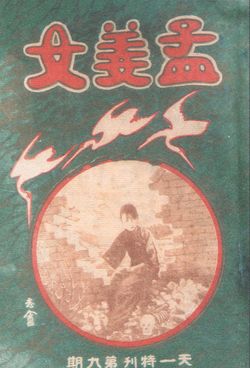
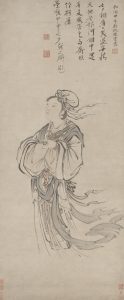
The wind off the Bohai Sea carries salt and grit. It hits the stone steps of the Temple of Lady Meng Jiang near Qinhuangdao before you even reach the gate. I stood there one late autumn afternoon, watching an old woman burn three sticks of incense at the courtyard burner. She bowed low, whispered something into the smoke, and turned away without looking back. No tour group. No selfie stick. Just a private transaction with a story that has outlived dynasties. That moment—quiet, unperformed—is the real entry point to understanding Meng Jiang Nü. She is not a mascot. She is a witness.
The Wall That Wept
Ask a local where the wall fell, and they will point you east, toward the ruins of the Qi Great Wall in Shandong, not the brick ribs of Badaling or Mutianyu near Beijing. The Qin sections up north are Ming reconstructions mostly. The Qi Wall is older—rammed earth, weathered to the color of dried tea. When I walked a stretch near Zibo two years ago, the wind sang through the gaps where watchtowers used to stand. No guardrails. No ticket booth. Just furrows in the soil where the legend says the earth gave way to grief. The story goes that Meng Jiang Nü’s weeping split the structure for eighty *li*, exposing the bones of her husband, Fan Qiliang, among thousands of others. She recognized him by dripping her blood on the skeletons; only his drank it in. That detail—blood calling to blood—stays with you longer than any plaque.
Finding the Temple Without a Map Pin
The main temple sits at the foot of Phoenix Mountain, a short ride from Shanhaiguan Pass. Buses run from Qinhuangdao station, but the stop is unmarked in English. Get off when you see the stone archway painted with a woman in blue, sleeves wide to the wind. The complex is modest: a front hall, a rear hall, a bell tower, and a small pond that ices over by the twelfth lunar month. Inside, the statue of Meng Jiang Nü does not face the door. She looks toward the wall. Her hands are empty—no winter clothes, no fan, no sword. The clothes are displayed in a glass case nearby: a padded jacket, cotton trousers, cloth shoes stitched with double thread. They look worn, not ceremonial. That is the point. She walked thousands of *li* in those.
What the Festival Looks Like From the Edge of the Crowd
If you arrive on the second day of the seventh lunar month—the traditional anniversary of the wall’s collapse—you will find the courtyard packed. Villagers from Hebei and Liaoning set up folding tables. They offer steamed buns shaped like bricks, red bean paste peeking from the seams. Paper money burns in tin barrels. A troupe performs *Hebei Bangzi* opera on a temporary stage; the actress playing Meng Jiang Nü sings the “Ten Sorrows” aria, her voice cracking on the high notes about the frozen river and the unmarked grave. Tourists cluster near the exit. Locals stay for the whole cycle, bowing at each act break. Do not push to the front. Stand at the back with the grandmothers. They will hand you a bun without asking. Eat it warm. It tastes of flour and smoke.
The Story You Hear Depends on Who Tells It
In a teahouse near the temple, a retired schoolteacher named Lao Chen told me the version his grandmother sang while mending nets. No Qin emperor. No Fan Qiliang. Just a woman named Meng Jiang who lost her man to the corvée and walked until her straw sandals disintegrated. The wall that fell was a section built by the State of Qi during the Warring States period, centuries before the First Emperor connected the northern barriers. Scholars call this the “Qi Liang’s Wife” layer—the oldest stratum. Later, Han dynasty scribes moved the setting to the Qin to critique tyranny. Ming playwrights added the blood-on-bones recognition scene. Qing novelists gave her a surname and a birthday. Each era rewrote her to fit its own grief. Lao Chen stirred his tea and said, “The wall changes. The weeping doesn’t.”
What a Newcomer Gets Wrong
Expecting a heroine. She is not a warrior. She does not fight. She endures. The power lies in the refusal to disappear.
Treating the temple as a photo op. The incense ash on the floor is someone’s prayer. Step around it.
Asking “Is it true?” The question misses the point. The story is true because people still bring winter clothes to a woman who has been dead two millennia.
Ignoring the Qi Wall. The tourist Great Wall is reconstruction. The earth that answered her is still there, unmarked, in Shandong fields.
Leaving before dusk. The last bus departs at five, but the light on the stone stele at six—characters worn shallow by centuries of fingers tracing them—is when the story settles into your ribs.
Carrying It Out
On the train back south, I watched a migrant worker wrap a wool scarf around his mother’s shoulders. She had boarded at a village stop carrying a cloth bundle—homemade shoes, dried persimmons, a letter written in dialect. He didn’t speak. Just adjusted the fringe. The landscape blurred: factory chimneys, wheat stubble, a distant line of earth that might have been the old Qi Wall or just a ridge. The legend says Meng Jiang Nü threw herself into the sea after burying Fan Qiliang. The temple says she became a goddess who protects travelers. Lao Chen said she just walked home. I think the truth is in the walking. Every pair of worn cloth shoes on that temple shelf is a vote for the version where she keeps going. When you stand at the temple gate and the sea wind cuts through your jacket, you feel it too: the obligation to carry something warm to someone waiting in the cold. That is the story. The rest is commentary.