What newcomers get wrong
Clothing, silver, and the weight of identity
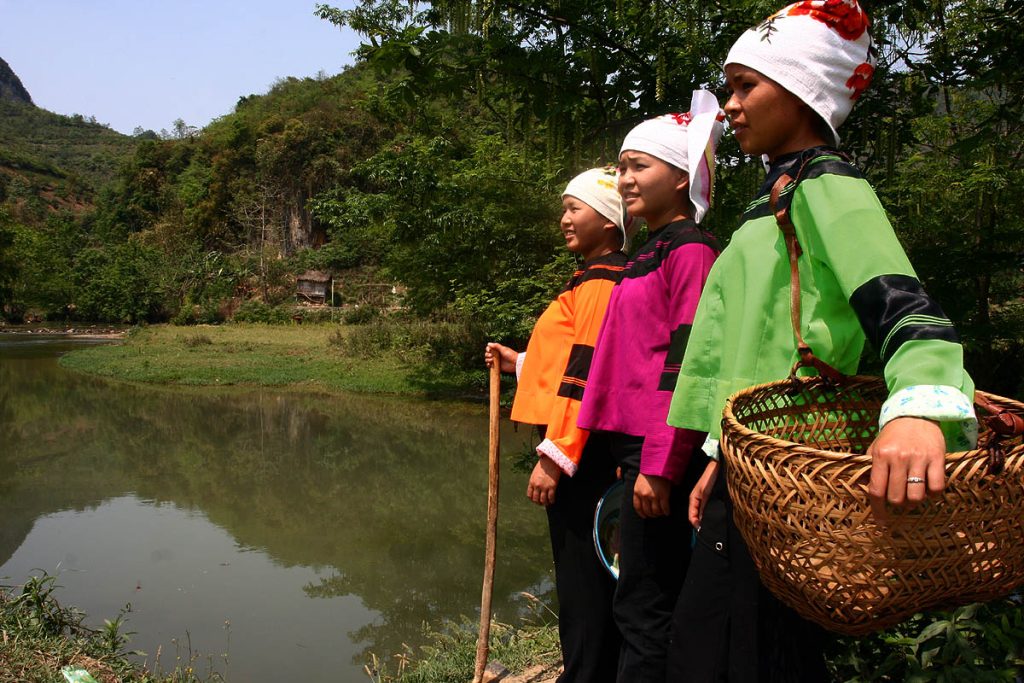
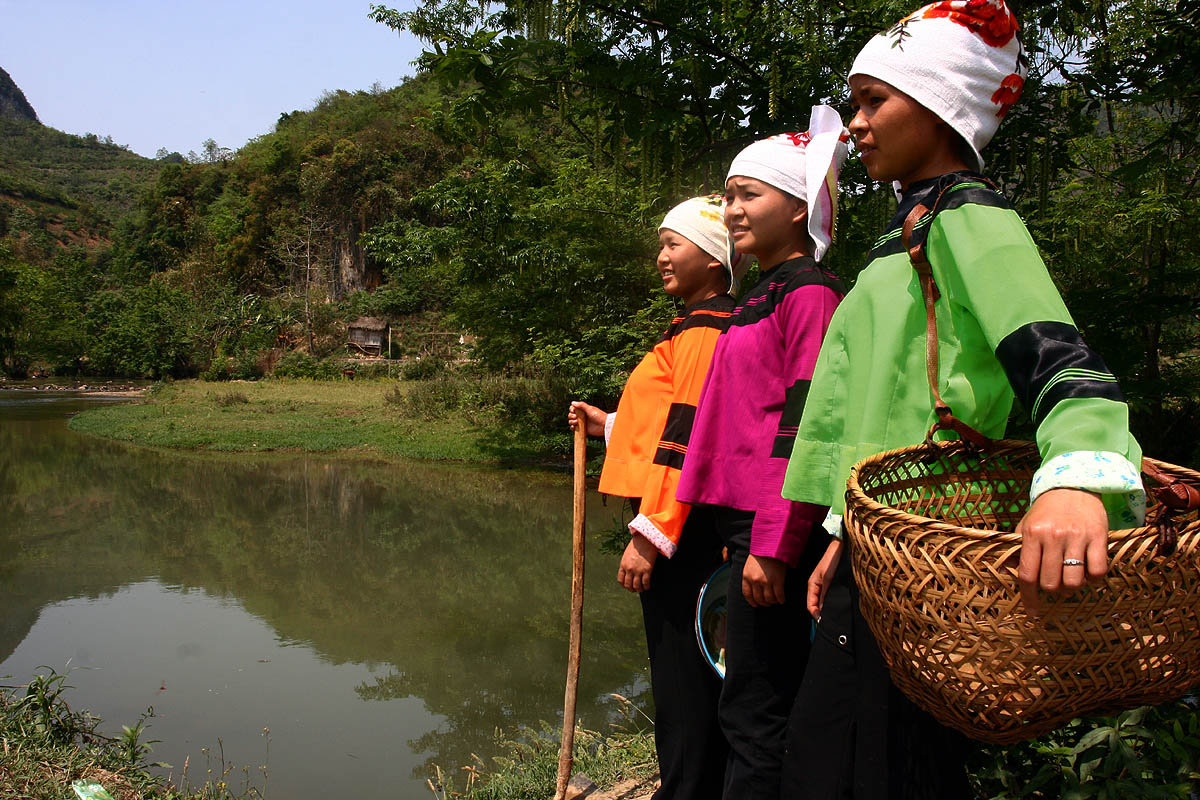
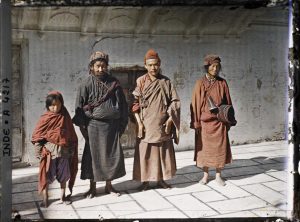
In the highland townships of Rongshui or Tianlin, you still see women in indigo-dyed jackets with embroidered cuffs, silver neck rings stacked like coils, and pleated skirts that brush the ankles. Each motif — butterfly, water buffalo, spiral cloud — marks a clan story. Silver is not decoration; it is portable wealth, dowry, and spiritual armor. A full set can weigh several kilograms. If you buy jewelry from a market stall, ask the seller which village made it. Mass-produced imitations from factories in Guangdong flood the tourist shops in Guilin; they lack the hammer marks and the patina of pieces passed through three generations. When photographing people in traditional dress, lower your lens and ask. Some elders believe the camera steals a fragment of the soul; others simply value privacy over curiosity. A nod and a “mbouj” after the shot keeps the exchange human.
What newcomers get wrong
The most common mistake is treating Zhuang villages as open-air museums. I have watched travelers wander into a family’s drying yard to frame a shot of corn cobs, or step onto the altar platform during a ancestor ceremony because the light was better there. Both earned sharp rebukes. Another error: assuming “minority” means “poor.” Many Zhuang families run thriving tea cooperatives, citrus orchards, or stone-quarry businesses. Offering pity or unsolicited advice insults the pride that has kept their language and customs alive through dynasties. Finally, do not expect a performance on demand. The singing, the drumming, the wine-sharing — these happen when the community decides, not when a tour bus arrives. If you sit long enough, share the oil-tea, and listen without translating everything into your own narrative, you might be invited to the real gathering. That is the only souvenir that matters.
The Zhuang calendar follows the lunar cycle, and the biggest gatherings happen between the third and eighth months. The Third Month Third Festival (San Yue San) falls on the third day of the third lunar month — usually late spring. Villages empty onto riverbanks for antiphonal singing: young men and women trade improvised verses across the water, testing wit and courage. If you are there, you will be handed a five-color glutinous rice ball dyed with maple, gardenia, and violet leaves. Eat it whole; breaking it apart scatters luck. The Ox Soul Festival arrives in the eighth lunar month, after the early rice harvest. Families wash their water buffalo, feed them steamed glutinous rice wrapped in banana leaves, and hang bronze bells on their horns. Tourists often mistake this for a show; it is a contract renewal between the clan and the land. Show up with a basket of fruit for the host family, not a camera in their faces.
Clothing, silver, and the weight of identity
In the highland townships of Rongshui or Tianlin, you still see women in indigo-dyed jackets with embroidered cuffs, silver neck rings stacked like coils, and pleated skirts that brush the ankles. Each motif — butterfly, water buffalo, spiral cloud — marks a clan story. Silver is not decoration; it is portable wealth, dowry, and spiritual armor. A full set can weigh several kilograms. If you buy jewelry from a market stall, ask the seller which village made it. Mass-produced imitations from factories in Guangdong flood the tourist shops in Guilin; they lack the hammer marks and the patina of pieces passed through three generations. When photographing people in traditional dress, lower your lens and ask. Some elders believe the camera steals a fragment of the soul; others simply value privacy over curiosity. A nod and a “mbouj” after the shot keeps the exchange human.
What newcomers get wrong
The most common mistake is treating Zhuang villages as open-air museums. I have watched travelers wander into a family’s drying yard to frame a shot of corn cobs, or step onto the altar platform during a ancestor ceremony because the light was better there. Both earned sharp rebukes. Another error: assuming “minority” means “poor.” Many Zhuang families run thriving tea cooperatives, citrus orchards, or stone-quarry businesses. Offering pity or unsolicited advice insults the pride that has kept their language and customs alive through dynasties. Finally, do not expect a performance on demand. The singing, the drumming, the wine-sharing — these happen when the community decides, not when a tour bus arrives. If you sit long enough, share the oil-tea, and listen without translating everything into your own narrative, you might be invited to the real gathering. That is the only souvenir that matters.
Festivals: when the villages wake up
The Zhuang calendar follows the lunar cycle, and the biggest gatherings happen between the third and eighth months. The Third Month Third Festival (San Yue San) falls on the third day of the third lunar month — usually late spring. Villages empty onto riverbanks for antiphonal singing: young men and women trade improvised verses across the water, testing wit and courage. If you are there, you will be handed a five-color glutinous rice ball dyed with maple, gardenia, and violet leaves. Eat it whole; breaking it apart scatters luck. The Ox Soul Festival arrives in the eighth lunar month, after the early rice harvest. Families wash their water buffalo, feed them steamed glutinous rice wrapped in banana leaves, and hang bronze bells on their horns. Tourists often mistake this for a show; it is a contract renewal between the clan and the land. Show up with a basket of fruit for the host family, not a camera in their faces.
Clothing, silver, and the weight of identity
In the highland townships of Rongshui or Tianlin, you still see women in indigo-dyed jackets with embroidered cuffs, silver neck rings stacked like coils, and pleated skirts that brush the ankles. Each motif — butterfly, water buffalo, spiral cloud — marks a clan story. Silver is not decoration; it is portable wealth, dowry, and spiritual armor. A full set can weigh several kilograms. If you buy jewelry from a market stall, ask the seller which village made it. Mass-produced imitations from factories in Guangdong flood the tourist shops in Guilin; they lack the hammer marks and the patina of pieces passed through three generations. When photographing people in traditional dress, lower your lens and ask. Some elders believe the camera steals a fragment of the soul; others simply value privacy over curiosity. A nod and a “mbouj” after the shot keeps the exchange human.
What newcomers get wrong
The most common mistake is treating Zhuang villages as open-air museums. I have watched travelers wander into a family’s drying yard to frame a shot of corn cobs, or step onto the altar platform during a ancestor ceremony because the light was better there. Both earned sharp rebukes. Another error: assuming “minority” means “poor.” Many Zhuang families run thriving tea cooperatives, citrus orchards, or stone-quarry businesses. Offering pity or unsolicited advice insults the pride that has kept their language and customs alive through dynasties. Finally, do not expect a performance on demand. The singing, the drumming, the wine-sharing — these happen when the community decides, not when a tour bus arrives. If you sit long enough, share the oil-tea, and listen without translating everything into your own narrative, you might be invited to the real gathering. That is the only souvenir that matters.
Festivals: when the villages wake up
The Zhuang calendar follows the lunar cycle, and the biggest gatherings happen between the third and eighth months. The Third Month Third Festival (San Yue San) falls on the third day of the third lunar month — usually late spring. Villages empty onto riverbanks for antiphonal singing: young men and women trade improvised verses across the water, testing wit and courage. If you are there, you will be handed a five-color glutinous rice ball dyed with maple, gardenia, and violet leaves. Eat it whole; breaking it apart scatters luck. The Ox Soul Festival arrives in the eighth lunar month, after the early rice harvest. Families wash their water buffalo, feed them steamed glutinous rice wrapped in banana leaves, and hang bronze bells on their horns. Tourists often mistake this for a show; it is a contract renewal between the clan and the land. Show up with a basket of fruit for the host family, not a camera in their faces.
Clothing, silver, and the weight of identity
In the highland townships of Rongshui or Tianlin, you still see women in indigo-dyed jackets with embroidered cuffs, silver neck rings stacked like coils, and pleated skirts that brush the ankles. Each motif — butterfly, water buffalo, spiral cloud — marks a clan story. Silver is not decoration; it is portable wealth, dowry, and spiritual armor. A full set can weigh several kilograms. If you buy jewelry from a market stall, ask the seller which village made it. Mass-produced imitations from factories in Guangdong flood the tourist shops in Guilin; they lack the hammer marks and the patina of pieces passed through three generations. When photographing people in traditional dress, lower your lens and ask. Some elders believe the camera steals a fragment of the soul; others simply value privacy over curiosity. A nod and a “mbouj” after the shot keeps the exchange human.
What newcomers get wrong
The most common mistake is treating Zhuang villages as open-air museums. I have watched travelers wander into a family’s drying yard to frame a shot of corn cobs, or step onto the altar platform during a ancestor ceremony because the light was better there. Both earned sharp rebukes. Another error: assuming “minority” means “poor.” Many Zhuang families run thriving tea cooperatives, citrus orchards, or stone-quarry businesses. Offering pity or unsolicited advice insults the pride that has kept their language and customs alive through dynasties. Finally, do not expect a performance on demand. The singing, the drumming, the wine-sharing — these happen when the community decides, not when a tour bus arrives. If you sit long enough, share the oil-tea, and listen without translating everything into your own narrative, you might be invited to the real gathering. That is the only souvenir that matters.
Daily rhythms: stilt houses, tea, and the bronze drum
The iconic Zhuang dwelling is the *ganlan* stilt house: timber frame, bamboo flooring, thatch or tile roof, livestock penned underneath, living space above. Fire pits sit in the center of the main room, smoke curling up to blacken the rafters — a deliberate design that cures the wood and repels insects. When you are invited inside, step over the threshold, never on it; the threshold holds the family’s protective spirits. You will be offered oil-tea, a savory broth of pounded tea leaves, puffed rice, peanuts, and sometimes dried shrimp. Drink it loud — slurping signals appreciation. Refusing the first bowl is polite; accepting the second is expected.
Sit where the host indicates — usually the seat facing the door, reserved for guests.
If a bronze drum hangs on the wall, do not touch it without permission. Drums are clan heirlooms, beaten only for weddings, funerals, and the spring festival.
Meals are communal. Pick from the shared dishes with your own chopsticks; turning them around to use the “clean” end is considered fastidious, not rude.
Alcohol — usually home-brewed rice wine — circulates in a single cup. Each person drains it, wipes the rim, and passes it on. Beginners sip; locals expect you to finish.
Festivals: when the villages wake up
The Zhuang calendar follows the lunar cycle, and the biggest gatherings happen between the third and eighth months. The Third Month Third Festival (San Yue San) falls on the third day of the third lunar month — usually late spring. Villages empty onto riverbanks for antiphonal singing: young men and women trade improvised verses across the water, testing wit and courage. If you are there, you will be handed a five-color glutinous rice ball dyed with maple, gardenia, and violet leaves. Eat it whole; breaking it apart scatters luck. The Ox Soul Festival arrives in the eighth lunar month, after the early rice harvest. Families wash their water buffalo, feed them steamed glutinous rice wrapped in banana leaves, and hang bronze bells on their horns. Tourists often mistake this for a show; it is a contract renewal between the clan and the land. Show up with a basket of fruit for the host family, not a camera in their faces.
Clothing, silver, and the weight of identity
In the highland townships of Rongshui or Tianlin, you still see women in indigo-dyed jackets with embroidered cuffs, silver neck rings stacked like coils, and pleated skirts that brush the ankles. Each motif — butterfly, water buffalo, spiral cloud — marks a clan story. Silver is not decoration; it is portable wealth, dowry, and spiritual armor. A full set can weigh several kilograms. If you buy jewelry from a market stall, ask the seller which village made it. Mass-produced imitations from factories in Guangdong flood the tourist shops in Guilin; they lack the hammer marks and the patina of pieces passed through three generations. When photographing people in traditional dress, lower your lens and ask. Some elders believe the camera steals a fragment of the soul; others simply value privacy over curiosity. A nod and a “mbouj” after the shot keeps the exchange human.
What newcomers get wrong
The most common mistake is treating Zhuang villages as open-air museums. I have watched travelers wander into a family’s drying yard to frame a shot of corn cobs, or step onto the altar platform during a ancestor ceremony because the light was better there. Both earned sharp rebukes. Another error: assuming “minority” means “poor.” Many Zhuang families run thriving tea cooperatives, citrus orchards, or stone-quarry businesses. Offering pity or unsolicited advice insults the pride that has kept their language and customs alive through dynasties. Finally, do not expect a performance on demand. The singing, the drumming, the wine-sharing — these happen when the community decides, not when a tour bus arrives. If you sit long enough, share the oil-tea, and listen without translating everything into your own narrative, you might be invited to the real gathering. That is the only souvenir that matters.
Walk through a market town like Longlin or Napo and you will see bilingual signs: Chinese characters on top, a Latin-based script underneath. That lower line is Standard Zhuang, officially adopted in the 1950s and revised in the 1980s. Before that, the Zhuang used Sawndip — a homegrown system borrowing Chinese radicals to record folk songs, contracts, and genealogies. Some elders still read it; most younger people read the romanized version or just Mandarin. Dialects vary enough that a speaker from the northern hills may struggle to follow a conversation in the southern river valleys. If you learn a handful of greetings — “saw” for hello, “mbouj” for thank you — smiles widen instantly. Do not assume everyone speaks Mandarin fluently; in remote hamlets, especially among women over fifty, Zhuang remains the language of the hearth.
Daily rhythms: stilt houses, tea, and the bronze drum
The iconic Zhuang dwelling is the *ganlan* stilt house: timber frame, bamboo flooring, thatch or tile roof, livestock penned underneath, living space above. Fire pits sit in the center of the main room, smoke curling up to blacken the rafters — a deliberate design that cures the wood and repels insects. When you are invited inside, step over the threshold, never on it; the threshold holds the family’s protective spirits. You will be offered oil-tea, a savory broth of pounded tea leaves, puffed rice, peanuts, and sometimes dried shrimp. Drink it loud — slurping signals appreciation. Refusing the first bowl is polite; accepting the second is expected.
Sit where the host indicates — usually the seat facing the door, reserved for guests.
If a bronze drum hangs on the wall, do not touch it without permission. Drums are clan heirlooms, beaten only for weddings, funerals, and the spring festival.
Meals are communal. Pick from the shared dishes with your own chopsticks; turning them around to use the “clean” end is considered fastidious, not rude.
Alcohol — usually home-brewed rice wine — circulates in a single cup. Each person drains it, wipes the rim, and passes it on. Beginners sip; locals expect you to finish.
Festivals: when the villages wake up
The Zhuang calendar follows the lunar cycle, and the biggest gatherings happen between the third and eighth months. The Third Month Third Festival (San Yue San) falls on the third day of the third lunar month — usually late spring. Villages empty onto riverbanks for antiphonal singing: young men and women trade improvised verses across the water, testing wit and courage. If you are there, you will be handed a five-color glutinous rice ball dyed with maple, gardenia, and violet leaves. Eat it whole; breaking it apart scatters luck. The Ox Soul Festival arrives in the eighth lunar month, after the early rice harvest. Families wash their water buffalo, feed them steamed glutinous rice wrapped in banana leaves, and hang bronze bells on their horns. Tourists often mistake this for a show; it is a contract renewal between the clan and the land. Show up with a basket of fruit for the host family, not a camera in their faces.
Clothing, silver, and the weight of identity
In the highland townships of Rongshui or Tianlin, you still see women in indigo-dyed jackets with embroidered cuffs, silver neck rings stacked like coils, and pleated skirts that brush the ankles. Each motif — butterfly, water buffalo, spiral cloud — marks a clan story. Silver is not decoration; it is portable wealth, dowry, and spiritual armor. A full set can weigh several kilograms. If you buy jewelry from a market stall, ask the seller which village made it. Mass-produced imitations from factories in Guangdong flood the tourist shops in Guilin; they lack the hammer marks and the patina of pieces passed through three generations. When photographing people in traditional dress, lower your lens and ask. Some elders believe the camera steals a fragment of the soul; others simply value privacy over curiosity. A nod and a “mbouj” after the shot keeps the exchange human.
What newcomers get wrong
The most common mistake is treating Zhuang villages as open-air museums. I have watched travelers wander into a family’s drying yard to frame a shot of corn cobs, or step onto the altar platform during a ancestor ceremony because the light was better there. Both earned sharp rebukes. Another error: assuming “minority” means “poor.” Many Zhuang families run thriving tea cooperatives, citrus orchards, or stone-quarry businesses. Offering pity or unsolicited advice insults the pride that has kept their language and customs alive through dynasties. Finally, do not expect a performance on demand. The singing, the drumming, the wine-sharing — these happen when the community decides, not when a tour bus arrives. If you sit long enough, share the oil-tea, and listen without translating everything into your own narrative, you might be invited to the real gathering. That is the only souvenir that matters.
Language, names, and the writing on the wall
Walk through a market town like Longlin or Napo and you will see bilingual signs: Chinese characters on top, a Latin-based script underneath. That lower line is Standard Zhuang, officially adopted in the 1950s and revised in the 1980s. Before that, the Zhuang used Sawndip — a homegrown system borrowing Chinese radicals to record folk songs, contracts, and genealogies. Some elders still read it; most younger people read the romanized version or just Mandarin. Dialects vary enough that a speaker from the northern hills may struggle to follow a conversation in the southern river valleys. If you learn a handful of greetings — “saw” for hello, “mbouj” for thank you — smiles widen instantly. Do not assume everyone speaks Mandarin fluently; in remote hamlets, especially among women over fifty, Zhuang remains the language of the hearth.
Daily rhythms: stilt houses, tea, and the bronze drum
The iconic Zhuang dwelling is the *ganlan* stilt house: timber frame, bamboo flooring, thatch or tile roof, livestock penned underneath, living space above. Fire pits sit in the center of the main room, smoke curling up to blacken the rafters — a deliberate design that cures the wood and repels insects. When you are invited inside, step over the threshold, never on it; the threshold holds the family’s protective spirits. You will be offered oil-tea, a savory broth of pounded tea leaves, puffed rice, peanuts, and sometimes dried shrimp. Drink it loud — slurping signals appreciation. Refusing the first bowl is polite; accepting the second is expected.
Sit where the host indicates — usually the seat facing the door, reserved for guests.
If a bronze drum hangs on the wall, do not touch it without permission. Drums are clan heirlooms, beaten only for weddings, funerals, and the spring festival.
Meals are communal. Pick from the shared dishes with your own chopsticks; turning them around to use the “clean” end is considered fastidious, not rude.
Alcohol — usually home-brewed rice wine — circulates in a single cup. Each person drains it, wipes the rim, and passes it on. Beginners sip; locals expect you to finish.
Festivals: when the villages wake up
The Zhuang calendar follows the lunar cycle, and the biggest gatherings happen between the third and eighth months. The Third Month Third Festival (San Yue San) falls on the third day of the third lunar month — usually late spring. Villages empty onto riverbanks for antiphonal singing: young men and women trade improvised verses across the water, testing wit and courage. If you are there, you will be handed a five-color glutinous rice ball dyed with maple, gardenia, and violet leaves. Eat it whole; breaking it apart scatters luck. The Ox Soul Festival arrives in the eighth lunar month, after the early rice harvest. Families wash their water buffalo, feed them steamed glutinous rice wrapped in banana leaves, and hang bronze bells on their horns. Tourists often mistake this for a show; it is a contract renewal between the clan and the land. Show up with a basket of fruit for the host family, not a camera in their faces.
Clothing, silver, and the weight of identity
In the highland townships of Rongshui or Tianlin, you still see women in indigo-dyed jackets with embroidered cuffs, silver neck rings stacked like coils, and pleated skirts that brush the ankles. Each motif — butterfly, water buffalo, spiral cloud — marks a clan story. Silver is not decoration; it is portable wealth, dowry, and spiritual armor. A full set can weigh several kilograms. If you buy jewelry from a market stall, ask the seller which village made it. Mass-produced imitations from factories in Guangdong flood the tourist shops in Guilin; they lack the hammer marks and the patina of pieces passed through three generations. When photographing people in traditional dress, lower your lens and ask. Some elders believe the camera steals a fragment of the soul; others simply value privacy over curiosity. A nod and a “mbouj” after the shot keeps the exchange human.
What newcomers get wrong
The most common mistake is treating Zhuang villages as open-air museums. I have watched travelers wander into a family’s drying yard to frame a shot of corn cobs, or step onto the altar platform during a ancestor ceremony because the light was better there. Both earned sharp rebukes. Another error: assuming “minority” means “poor.” Many Zhuang families run thriving tea cooperatives, citrus orchards, or stone-quarry businesses. Offering pity or unsolicited advice insults the pride that has kept their language and customs alive through dynasties. Finally, do not expect a performance on demand. The singing, the drumming, the wine-sharing — these happen when the community decides, not when a tour bus arrives. If you sit long enough, share the oil-tea, and listen without translating everything into your own narrative, you might be invited to the real gathering. That is the only souvenir that matters.
The Zhuang are China’s largest ethnic minority, numbering around nineteen million, with the vast majority concentrated in the Guangxi Zhuang Autonomous Region. You will also run into Zhuang communities in the bordering mountains of Yunnan, Guangdong, Guizhou, and Hunan. They belong to the Tai linguistic family, cousins to the Bouyei, the Nùng across the Vietnamese border, and the Tày further south. In older texts you sometimes see the collective term “Rau” or “Rao,” but in daily life people identify by village, dialect, and clan rather than any broad label. What matters for a visitor is that Zhuang country stretches from the karst peaks around Guilin west to the red-soil valleys near the Yunnan line — a landscape of limestone towers, flooded paddies, and subtropical forests that has shaped everything from their architecture to their festival calendar.
Language, names, and the writing on the wall
Walk through a market town like Longlin or Napo and you will see bilingual signs: Chinese characters on top, a Latin-based script underneath. That lower line is Standard Zhuang, officially adopted in the 1950s and revised in the 1980s. Before that, the Zhuang used Sawndip — a homegrown system borrowing Chinese radicals to record folk songs, contracts, and genealogies. Some elders still read it; most younger people read the romanized version or just Mandarin. Dialects vary enough that a speaker from the northern hills may struggle to follow a conversation in the southern river valleys. If you learn a handful of greetings — “saw” for hello, “mbouj” for thank you — smiles widen instantly. Do not assume everyone speaks Mandarin fluently; in remote hamlets, especially among women over fifty, Zhuang remains the language of the hearth.
Daily rhythms: stilt houses, tea, and the bronze drum
The iconic Zhuang dwelling is the *ganlan* stilt house: timber frame, bamboo flooring, thatch or tile roof, livestock penned underneath, living space above. Fire pits sit in the center of the main room, smoke curling up to blacken the rafters — a deliberate design that cures the wood and repels insects. When you are invited inside, step over the threshold, never on it; the threshold holds the family’s protective spirits. You will be offered oil-tea, a savory broth of pounded tea leaves, puffed rice, peanuts, and sometimes dried shrimp. Drink it loud — slurping signals appreciation. Refusing the first bowl is polite; accepting the second is expected.
Sit where the host indicates — usually the seat facing the door, reserved for guests.
If a bronze drum hangs on the wall, do not touch it without permission. Drums are clan heirlooms, beaten only for weddings, funerals, and the spring festival.
Meals are communal. Pick from the shared dishes with your own chopsticks; turning them around to use the “clean” end is considered fastidious, not rude.
Alcohol — usually home-brewed rice wine — circulates in a single cup. Each person drains it, wipes the rim, and passes it on. Beginners sip; locals expect you to finish.
Festivals: when the villages wake up
The Zhuang calendar follows the lunar cycle, and the biggest gatherings happen between the third and eighth months. The Third Month Third Festival (San Yue San) falls on the third day of the third lunar month — usually late spring. Villages empty onto riverbanks for antiphonal singing: young men and women trade improvised verses across the water, testing wit and courage. If you are there, you will be handed a five-color glutinous rice ball dyed with maple, gardenia, and violet leaves. Eat it whole; breaking it apart scatters luck. The Ox Soul Festival arrives in the eighth lunar month, after the early rice harvest. Families wash their water buffalo, feed them steamed glutinous rice wrapped in banana leaves, and hang bronze bells on their horns. Tourists often mistake this for a show; it is a contract renewal between the clan and the land. Show up with a basket of fruit for the host family, not a camera in their faces.
Clothing, silver, and the weight of identity
In the highland townships of Rongshui or Tianlin, you still see women in indigo-dyed jackets with embroidered cuffs, silver neck rings stacked like coils, and pleated skirts that brush the ankles. Each motif — butterfly, water buffalo, spiral cloud — marks a clan story. Silver is not decoration; it is portable wealth, dowry, and spiritual armor. A full set can weigh several kilograms. If you buy jewelry from a market stall, ask the seller which village made it. Mass-produced imitations from factories in Guangdong flood the tourist shops in Guilin; they lack the hammer marks and the patina of pieces passed through three generations. When photographing people in traditional dress, lower your lens and ask. Some elders believe the camera steals a fragment of the soul; others simply value privacy over curiosity. A nod and a “mbouj” after the shot keeps the exchange human.
What newcomers get wrong
The most common mistake is treating Zhuang villages as open-air museums. I have watched travelers wander into a family’s drying yard to frame a shot of corn cobs, or step onto the altar platform during a ancestor ceremony because the light was better there. Both earned sharp rebukes. Another error: assuming “minority” means “poor.” Many Zhuang families run thriving tea cooperatives, citrus orchards, or stone-quarry businesses. Offering pity or unsolicited advice insults the pride that has kept their language and customs alive through dynasties. Finally, do not expect a performance on demand. The singing, the drumming, the wine-sharing — these happen when the community decides, not when a tour bus arrives. If you sit long enough, share the oil-tea, and listen without translating everything into your own narrative, you might be invited to the real gathering. That is the only souvenir that matters.
Who the Zhuang are and where you find them
The Zhuang are China’s largest ethnic minority, numbering around nineteen million, with the vast majority concentrated in the Guangxi Zhuang Autonomous Region. You will also run into Zhuang communities in the bordering mountains of Yunnan, Guangdong, Guizhou, and Hunan. They belong to the Tai linguistic family, cousins to the Bouyei, the Nùng across the Vietnamese border, and the Tày further south. In older texts you sometimes see the collective term “Rau” or “Rao,” but in daily life people identify by village, dialect, and clan rather than any broad label. What matters for a visitor is that Zhuang country stretches from the karst peaks around Guilin west to the red-soil valleys near the Yunnan line — a landscape of limestone towers, flooded paddies, and subtropical forests that has shaped everything from their architecture to their festival calendar.
Language, names, and the writing on the wall
Walk through a market town like Longlin or Napo and you will see bilingual signs: Chinese characters on top, a Latin-based script underneath. That lower line is Standard Zhuang, officially adopted in the 1950s and revised in the 1980s. Before that, the Zhuang used Sawndip — a homegrown system borrowing Chinese radicals to record folk songs, contracts, and genealogies. Some elders still read it; most younger people read the romanized version or just Mandarin. Dialects vary enough that a speaker from the northern hills may struggle to follow a conversation in the southern river valleys. If you learn a handful of greetings — “saw” for hello, “mbouj” for thank you — smiles widen instantly. Do not assume everyone speaks Mandarin fluently; in remote hamlets, especially among women over fifty, Zhuang remains the language of the hearth.
Daily rhythms: stilt houses, tea, and the bronze drum
The iconic Zhuang dwelling is the *ganlan* stilt house: timber frame, bamboo flooring, thatch or tile roof, livestock penned underneath, living space above. Fire pits sit in the center of the main room, smoke curling up to blacken the rafters — a deliberate design that cures the wood and repels insects. When you are invited inside, step over the threshold, never on it; the threshold holds the family’s protective spirits. You will be offered oil-tea, a savory broth of pounded tea leaves, puffed rice, peanuts, and sometimes dried shrimp. Drink it loud — slurping signals appreciation. Refusing the first bowl is polite; accepting the second is expected.
Sit where the host indicates — usually the seat facing the door, reserved for guests.
If a bronze drum hangs on the wall, do not touch it without permission. Drums are clan heirlooms, beaten only for weddings, funerals, and the spring festival.
Meals are communal. Pick from the shared dishes with your own chopsticks; turning them around to use the “clean” end is considered fastidious, not rude.
Alcohol — usually home-brewed rice wine — circulates in a single cup. Each person drains it, wipes the rim, and passes it on. Beginners sip; locals expect you to finish.
Festivals: when the villages wake up
The Zhuang calendar follows the lunar cycle, and the biggest gatherings happen between the third and eighth months. The Third Month Third Festival (San Yue San) falls on the third day of the third lunar month — usually late spring. Villages empty onto riverbanks for antiphonal singing: young men and women trade improvised verses across the water, testing wit and courage. If you are there, you will be handed a five-color glutinous rice ball dyed with maple, gardenia, and violet leaves. Eat it whole; breaking it apart scatters luck. The Ox Soul Festival arrives in the eighth lunar month, after the early rice harvest. Families wash their water buffalo, feed them steamed glutinous rice wrapped in banana leaves, and hang bronze bells on their horns. Tourists often mistake this for a show; it is a contract renewal between the clan and the land. Show up with a basket of fruit for the host family, not a camera in their faces.
Clothing, silver, and the weight of identity
In the highland townships of Rongshui or Tianlin, you still see women in indigo-dyed jackets with embroidered cuffs, silver neck rings stacked like coils, and pleated skirts that brush the ankles. Each motif — butterfly, water buffalo, spiral cloud — marks a clan story. Silver is not decoration; it is portable wealth, dowry, and spiritual armor. A full set can weigh several kilograms. If you buy jewelry from a market stall, ask the seller which village made it. Mass-produced imitations from factories in Guangdong flood the tourist shops in Guilin; they lack the hammer marks and the patina of pieces passed through three generations. When photographing people in traditional dress, lower your lens and ask. Some elders believe the camera steals a fragment of the soul; others simply value privacy over curiosity. A nod and a “mbouj” after the shot keeps the exchange human.
What newcomers get wrong
The most common mistake is treating Zhuang villages as open-air museums. I have watched travelers wander into a family’s drying yard to frame a shot of corn cobs, or step onto the altar platform during a ancestor ceremony because the light was better there. Both earned sharp rebukes. Another error: assuming “minority” means “poor.” Many Zhuang families run thriving tea cooperatives, citrus orchards, or stone-quarry businesses. Offering pity or unsolicited advice insults the pride that has kept their language and customs alive through dynasties. Finally, do not expect a performance on demand. The singing, the drumming, the wine-sharing — these happen when the community decides, not when a tour bus arrives. If you sit long enough, share the oil-tea, and listen without translating everything into your own narrative, you might be invited to the real gathering. That is the only souvenir that matters.
Who the Zhuang are and where you find them
The Zhuang are China’s largest ethnic minority, numbering around nineteen million, with the vast majority concentrated in the Guangxi Zhuang Autonomous Region. You will also run into Zhuang communities in the bordering mountains of Yunnan, Guangdong, Guizhou, and Hunan. They belong to the Tai linguistic family, cousins to the Bouyei, the Nùng across the Vietnamese border, and the Tày further south. In older texts you sometimes see the collective term “Rau” or “Rao,” but in daily life people identify by village, dialect, and clan rather than any broad label. What matters for a visitor is that Zhuang country stretches from the karst peaks around Guilin west to the red-soil valleys near the Yunnan line — a landscape of limestone towers, flooded paddies, and subtropical forests that has shaped everything from their architecture to their festival calendar.
Language, names, and the writing on the wall
Walk through a market town like Longlin or Napo and you will see bilingual signs: Chinese characters on top, a Latin-based script underneath. That lower line is Standard Zhuang, officially adopted in the 1950s and revised in the 1980s. Before that, the Zhuang used Sawndip — a homegrown system borrowing Chinese radicals to record folk songs, contracts, and genealogies. Some elders still read it; most younger people read the romanized version or just Mandarin. Dialects vary enough that a speaker from the northern hills may struggle to follow a conversation in the southern river valleys. If you learn a handful of greetings — “saw” for hello, “mbouj” for thank you — smiles widen instantly. Do not assume everyone speaks Mandarin fluently; in remote hamlets, especially among women over fifty, Zhuang remains the language of the hearth.
Daily rhythms: stilt houses, tea, and the bronze drum
The iconic Zhuang dwelling is the *ganlan* stilt house: timber frame, bamboo flooring, thatch or tile roof, livestock penned underneath, living space above. Fire pits sit in the center of the main room, smoke curling up to blacken the rafters — a deliberate design that cures the wood and repels insects. When you are invited inside, step over the threshold, never on it; the threshold holds the family’s protective spirits. You will be offered oil-tea, a savory broth of pounded tea leaves, puffed rice, peanuts, and sometimes dried shrimp. Drink it loud — slurping signals appreciation. Refusing the first bowl is polite; accepting the second is expected.
Sit where the host indicates — usually the seat facing the door, reserved for guests.
If a bronze drum hangs on the wall, do not touch it without permission. Drums are clan heirlooms, beaten only for weddings, funerals, and the spring festival.
Meals are communal. Pick from the shared dishes with your own chopsticks; turning them around to use the “clean” end is considered fastidious, not rude.
Alcohol — usually home-brewed rice wine — circulates in a single cup. Each person drains it, wipes the rim, and passes it on. Beginners sip; locals expect you to finish.
Festivals: when the villages wake up
The Zhuang calendar follows the lunar cycle, and the biggest gatherings happen between the third and eighth months. The Third Month Third Festival (San Yue San) falls on the third day of the third lunar month — usually late spring. Villages empty onto riverbanks for antiphonal singing: young men and women trade improvised verses across the water, testing wit and courage. If you are there, you will be handed a five-color glutinous rice ball dyed with maple, gardenia, and violet leaves. Eat it whole; breaking it apart scatters luck. The Ox Soul Festival arrives in the eighth lunar month, after the early rice harvest. Families wash their water buffalo, feed them steamed glutinous rice wrapped in banana leaves, and hang bronze bells on their horns. Tourists often mistake this for a show; it is a contract renewal between the clan and the land. Show up with a basket of fruit for the host family, not a camera in their faces.
Clothing, silver, and the weight of identity
In the highland townships of Rongshui or Tianlin, you still see women in indigo-dyed jackets with embroidered cuffs, silver neck rings stacked like coils, and pleated skirts that brush the ankles. Each motif — butterfly, water buffalo, spiral cloud — marks a clan story. Silver is not decoration; it is portable wealth, dowry, and spiritual armor. A full set can weigh several kilograms. If you buy jewelry from a market stall, ask the seller which village made it. Mass-produced imitations from factories in Guangdong flood the tourist shops in Guilin; they lack the hammer marks and the patina of pieces passed through three generations. When photographing people in traditional dress, lower your lens and ask. Some elders believe the camera steals a fragment of the soul; others simply value privacy over curiosity. A nod and a “mbouj” after the shot keeps the exchange human.
What newcomers get wrong
The most common mistake is treating Zhuang villages as open-air museums. I have watched travelers wander into a family’s drying yard to frame a shot of corn cobs, or step onto the altar platform during a ancestor ceremony because the light was better there. Both earned sharp rebukes. Another error: assuming “minority” means “poor.” Many Zhuang families run thriving tea cooperatives, citrus orchards, or stone-quarry businesses. Offering pity or unsolicited advice insults the pride that has kept their language and customs alive through dynasties. Finally, do not expect a performance on demand. The singing, the drumming, the wine-sharing — these happen when the community decides, not when a tour bus arrives. If you sit long enough, share the oil-tea, and listen without translating everything into your own narrative, you might be invited to the real gathering. That is the only souvenir that matters.
The minibus shuddered to a halt on a hairpin bend somewhere between Longsheng and Sanjiang. Mist clung to the tea terraces below, and the driver, a middle-aged man with sun-creased eyes, pointed toward a cluster of stilted wooden houses half-hidden in the clouds. “Zhuang village,” he said, tapping the steering wheel. “They’re singing tonight. You stay?” I had planned to push on to the next town, but the smell of woodsmoke and fermented rice wine drifting up the slope made the decision for me. That night, sitting on a bamboo stool while an elderly woman pounded glutinous rice in a stone mortar, I learned more about Zhuang hospitality in three hours than any guidebook could explain in three hundred pages.
Who the Zhuang are and where you find them
The Zhuang are China’s largest ethnic minority, numbering around nineteen million, with the vast majority concentrated in the Guangxi Zhuang Autonomous Region. You will also run into Zhuang communities in the bordering mountains of Yunnan, Guangdong, Guizhou, and Hunan. They belong to the Tai linguistic family, cousins to the Bouyei, the Nùng across the Vietnamese border, and the Tày further south. In older texts you sometimes see the collective term “Rau” or “Rao,” but in daily life people identify by village, dialect, and clan rather than any broad label. What matters for a visitor is that Zhuang country stretches from the karst peaks around Guilin west to the red-soil valleys near the Yunnan line — a landscape of limestone towers, flooded paddies, and subtropical forests that has shaped everything from their architecture to their festival calendar.
Language, names, and the writing on the wall
Walk through a market town like Longlin or Napo and you will see bilingual signs: Chinese characters on top, a Latin-based script underneath. That lower line is Standard Zhuang, officially adopted in the 1950s and revised in the 1980s. Before that, the Zhuang used Sawndip — a homegrown system borrowing Chinese radicals to record folk songs, contracts, and genealogies. Some elders still read it; most younger people read the romanized version or just Mandarin. Dialects vary enough that a speaker from the northern hills may struggle to follow a conversation in the southern river valleys. If you learn a handful of greetings — “saw” for hello, “mbouj” for thank you — smiles widen instantly. Do not assume everyone speaks Mandarin fluently; in remote hamlets, especially among women over fifty, Zhuang remains the language of the hearth.
Daily rhythms: stilt houses, tea, and the bronze drum
The iconic Zhuang dwelling is the *ganlan* stilt house: timber frame, bamboo flooring, thatch or tile roof, livestock penned underneath, living space above. Fire pits sit in the center of the main room, smoke curling up to blacken the rafters — a deliberate design that cures the wood and repels insects. When you are invited inside, step over the threshold, never on it; the threshold holds the family’s protective spirits. You will be offered oil-tea, a savory broth of pounded tea leaves, puffed rice, peanuts, and sometimes dried shrimp. Drink it loud — slurping signals appreciation. Refusing the first bowl is polite; accepting the second is expected.
Sit where the host indicates — usually the seat facing the door, reserved for guests.
If a bronze drum hangs on the wall, do not touch it without permission. Drums are clan heirlooms, beaten only for weddings, funerals, and the spring festival.
Meals are communal. Pick from the shared dishes with your own chopsticks; turning them around to use the “clean” end is considered fastidious, not rude.
Alcohol — usually home-brewed rice wine — circulates in a single cup. Each person drains it, wipes the rim, and passes it on. Beginners sip; locals expect you to finish.
Festivals: when the villages wake up
The Zhuang calendar follows the lunar cycle, and the biggest gatherings happen between the third and eighth months. The Third Month Third Festival (San Yue San) falls on the third day of the third lunar month — usually late spring. Villages empty onto riverbanks for antiphonal singing: young men and women trade improvised verses across the water, testing wit and courage. If you are there, you will be handed a five-color glutinous rice ball dyed with maple, gardenia, and violet leaves. Eat it whole; breaking it apart scatters luck. The Ox Soul Festival arrives in the eighth lunar month, after the early rice harvest. Families wash their water buffalo, feed them steamed glutinous rice wrapped in banana leaves, and hang bronze bells on their horns. Tourists often mistake this for a show; it is a contract renewal between the clan and the land. Show up with a basket of fruit for the host family, not a camera in their faces.
Clothing, silver, and the weight of identity
In the highland townships of Rongshui or Tianlin, you still see women in indigo-dyed jackets with embroidered cuffs, silver neck rings stacked like coils, and pleated skirts that brush the ankles. Each motif — butterfly, water buffalo, spiral cloud — marks a clan story. Silver is not decoration; it is portable wealth, dowry, and spiritual armor. A full set can weigh several kilograms. If you buy jewelry from a market stall, ask the seller which village made it. Mass-produced imitations from factories in Guangdong flood the tourist shops in Guilin; they lack the hammer marks and the patina of pieces passed through three generations. When photographing people in traditional dress, lower your lens and ask. Some elders believe the camera steals a fragment of the soul; others simply value privacy over curiosity. A nod and a “mbouj” after the shot keeps the exchange human.
What newcomers get wrong
The most common mistake is treating Zhuang villages as open-air museums. I have watched travelers wander into a family’s drying yard to frame a shot of corn cobs, or step onto the altar platform during a ancestor ceremony because the light was better there. Both earned sharp rebukes. Another error: assuming “minority” means “poor.” Many Zhuang families run thriving tea cooperatives, citrus orchards, or stone-quarry businesses. Offering pity or unsolicited advice insults the pride that has kept their language and customs alive through dynasties. Finally, do not expect a performance on demand. The singing, the drumming, the wine-sharing — these happen when the community decides, not when a tour bus arrives. If you sit long enough, share the oil-tea, and listen without translating everything into your own narrative, you might be invited to the real gathering. That is the only souvenir that matters.