The air over the river already smells of mugwort and steamed bamboo leaves by nine in the morning. An old man in a straw hat adjusts a red string around a child’s wrist, muttering something about driving off the five poisons. Down at the dock, a drummer thumps a slow, heavy beat — boom, pause, boom, pause — and twenty paddles dip in unison, throwing up arcs of brown water. This is the fifth day of the fifth lunar month, the moment summer really arrives, and the whole neighborhood has turned out for the Dragon Boat Festival.
Why the fifth day matters
Locals call it Duanwu, “the upright fifth.” The fifth month marks the start of the hot, damp season when snakes, centipedes, scorpions, lizards, and toads — the traditional five poisons — become active. Ancient households hung calamus and mugwort above doors, drank realgar wine, and tied five-color silk threads on children’s wrists to keep sickness away. The customs feel practical: the herbs repel insects, the wine was once used as a disinfectant, and the bright threads make a toddler easy to spot in a crowd. If you are staying with a Chinese family, expect the host to press a sprig of mugwort into your hand at the threshold. Accept it with both hands; refusing looks rude.
The legend that powers the race
Every region tells the Qu Yuan story slightly differently, but the skeleton stays the same. A loyal minister of the state of Chu, he was exiled after corrupt rivals slandered him. Wandering the southern marshes, he wrote poems that still move students to tears. When he heard his capital had fallen, he walked into the Miluo River with a heavy stone. Villagers raced out in fishing boats, beating drums to scare fish from his body and throwing rice into the water so the river dragons would eat that instead of him. The rice packets became zongzi; the boats became dragon boats. In Hunan, where the Miluo flows, the races still start with a ceremony at the Qu Yuan temple. In Guangzhou, the focus shifts to the sea goddess Mazu. Listen to the commentator — he will name the local deity before the starting gun.
What a race day actually looks like
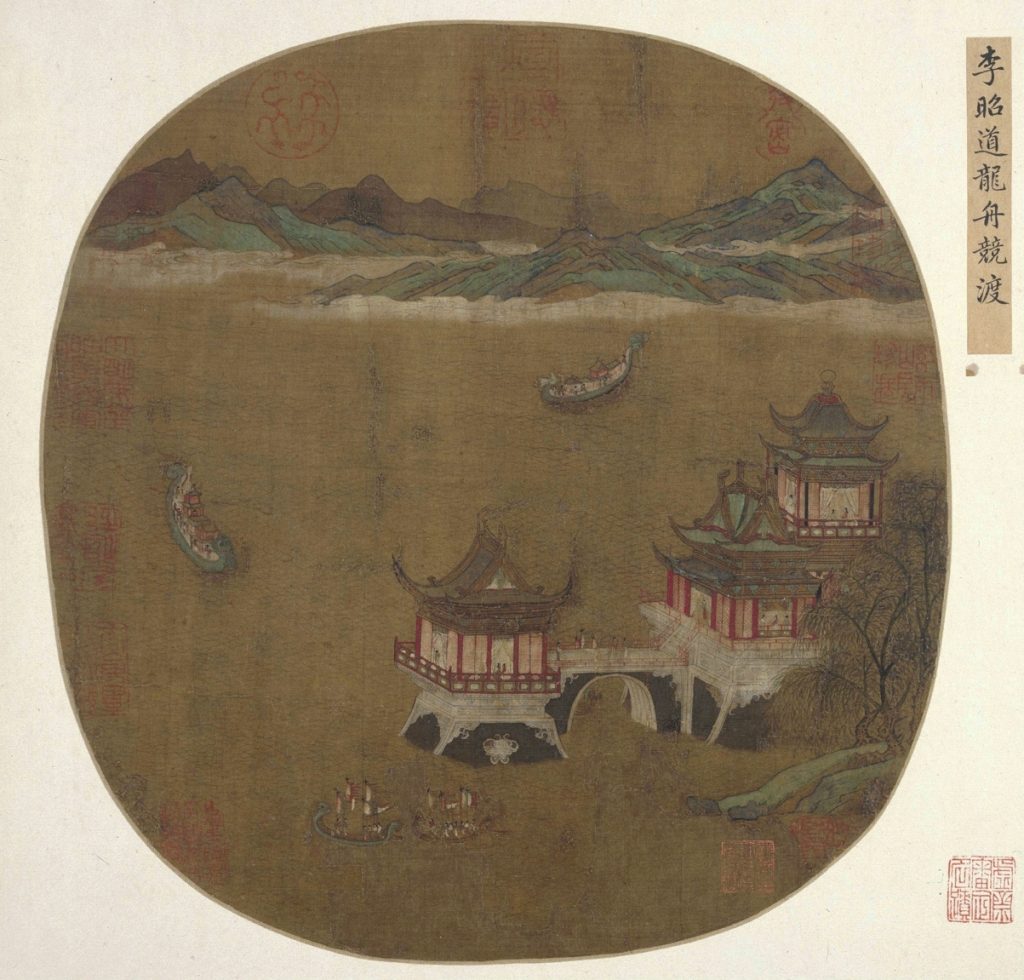
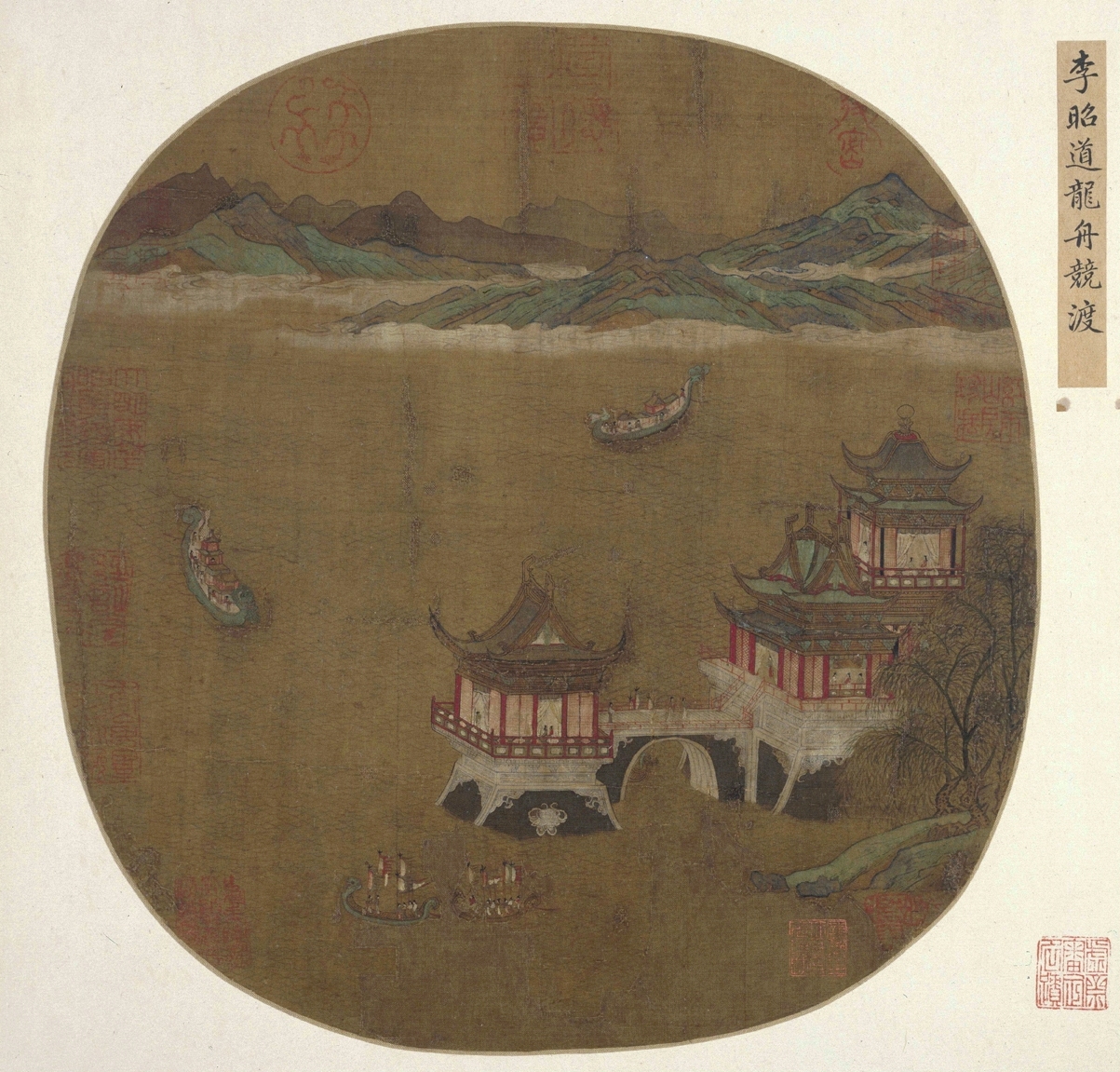
Arrive early. The best viewing spots on the riverbank fill by eight. Vendors sell plastic stools, paper fans, and bottles of warm herbal tea. The boats themselves are long, narrow canoes painted with scales, a carved dragon head at the prow, a tail at the stern. A standard crew: twenty paddlers, one drummer at the bow, one steersman at the stern. The drummer sets the rhythm; the steersman keeps the nose straight. When the gun cracks, the drum accelerates — boom-boom-boom — and the boat surges like a living thing. Races last two to three minutes. Between heats, crews splash water on their faces, swap jokes, and eat orange segments. If you are invited onto a support boat, wear a life jacket; the wake from passing racers can flip a small craft.
Zongzi: the edible centerpiece
No festival table is complete without a pyramid of sticky-rice dumplings wrapped in bamboo or reed leaves. The fillings split along a north-south line. In the north, sweet versions dominate: red-bean paste, jujube, sometimes plain glutinous rice dipped in white sugar. In the south, savory rules — salted egg yolk, pork belly, shiitake, chestnut, dried shrimp. A proper southern zongzi leaks amber oil when you peel the leaf; the rice should cling together but still show individual grains. Supermarket vacuum packs are convenient, but the best ones come from a neighbor’s kitchen, still steaming in a bamboo tiered steamer.
- Glutinous rice, soaked overnight
- Bamboo or reed leaves, boiled until pliable
- Filling of choice — pork belly marinated in soy, five-spice, and rice wine; or red-bean paste for sweet
- Salted duck egg yolks, halved
- Cotton string for tying
Fold a leaf into a cone, spoon in a layer of rice, add filling, cover with more rice, fold the leaf down to seal, and tie tightly. Steam for two hours for savory, ninety minutes for sweet. Let rest ten minutes before unwrapping; the steam finishes the cooking.
Customs you can join without feeling awkward
Tie a five-color thread on your own wrist — red, yellow, blue, white, black — and leave it until the first rain washes it away. Hang a small bunch of mugwort and calamus on your door handle; the scent drifts through the apartment when the air-conditioner runs. If a colleague offers you a sip of realgar wine, take a token sip and say “duanwu an kang” — “peace and health at Duanwu.” Do not drink a full glass; the wine contains arsenic compounds and is meant as a symbolic gesture. Children wear embroidered sachets stuffed with herbs; adults sometimes pin a small cloth tiger to a shirt collar. These are not fashion statements — they are armor against the season’s damp heat.
Mistakes that mark you as a newcomer
First, showing up at the river at noon expecting a front-row view. The serious spectators stake out positions at dawn. Second, peeling a zongzi leaf by leaf like a banana — tear the string, fold the leaf back in one motion, and eat with your fingers. Third, asking “which team is China?” during a race. Each boat represents a village, a company, or a university; there is no national squad here. Fourth, handing a host a gift wrapped in white or black paper; those colors belong to funerals. Red, gold, or yellow paper signals celebration. Fifth, assuming the festival is only about boats. In mountain villages of Guizhou or Guangxi, the day centers on bird-fighting contests, herb markets, and night-long singing duels. If you find yourself invited to a village celebration, follow the host’s lead, eat what is offered, and keep your phone in your pocket.